zzSPECIALPOSTzz
What to Include in Your Property Maintenance Checklist

Advertisement / Sponsored Content
This content is paid advertising and has been prepared in collaboration with the advertiser.
This post remains active as a legacy issue and is being phased out from January 2026.
Tasmanian Times no longer accepts requests for paid content or advertorials.
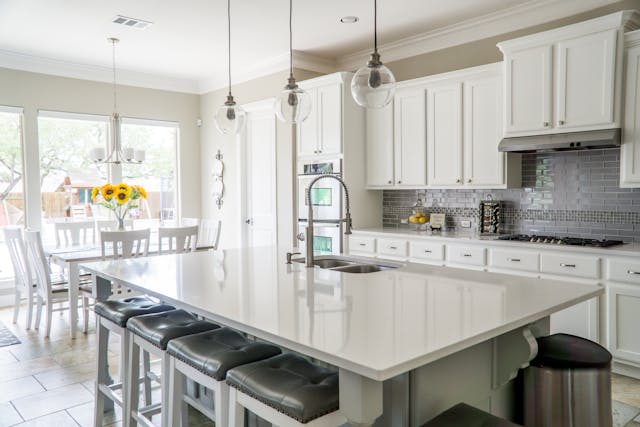

Are you confident that your investment property is being properly maintained year-round? If your answer is anything short of a solid “yes,” then it’s time to revisit your approach. A comprehensive property maintenance checklist isn’t just helpful—it’s essential.
Whether you’re a hands-on landlord or working with a property manager, staying ahead of maintenance tasks protects the value of your investment, ensures compliance with tenancy laws and keeps your tenants satisfied.
Start with the Exterior
The exterior of your property deserves consistent attention. The roof should be regularly checked for loose or cracked tiles, especially before and after storm seasons. Gutters and downpipes must be cleaned to prevent water overflow and structural damage. Cracks or peeling on exterior paintwork may seem cosmetic at first, but left unchecked, they can expose your building to moisture and decay.
Landscaping also plays a role. Overgrown trees and shrubs not only create a poor visual impression but can also compromise foundations and fences. Driveways and external walls benefit from a pressure wash every now and then to keep them looking fresh and clean.
Stay on Top of Interior Upkeep
Inside the property, regular inspections should include plumbing areas like kitchens, bathrooms and laundry spaces. Water leaks under sinks, around toilets or near the water heater must be addressed immediately to avoid water damage or mould. Walls and ceilings should be examined for signs of dampness or discolouration. Smoke alarms and carbon monoxide detectors should be tested routinely to meet safety standards.
Heating, ventilation, and air conditioning systems need regular servicing to operate efficiently, especially in homes where temperature control plays a key role in comfort.
Don’t Forget Plumbing and Electrical Systems
The systems behind the walls matter just as much. Plumbing and electrical infrastructure should never be overlooked. Water pressure should be stable, and all taps and drains should be working effectively. The age and efficiency of your hot water system need monitoring, and any signs of failure should prompt an immediate upgrade. On the electrical side, panels and breakers should be inspected by a licensed professional to ensure safety and regulatory compliance. Old wiring is not only a risk—it can also drive up energy costs and create fire hazards.
Address Seasonal Maintenance Needs
Each season brings a new set of maintenance challenges. In spring, it’s wise to freshen up the garden, service air conditioning systems and prepare the property for warmer months. Summer is a good time to check for pests and inspect fences or decks for damage. During autumn, fallen leaves must be cleared from gutters and insulation should be checked in preparation for colder temperatures. In winter, heating systems require attention and homes should be monitored for condensation, leaks, or mould that tend to show up when the weather turns damp.
Why Smart Investors Prioritise Maintenance
For investors focused on consistent rental returns and long-term capital growth, maintenance isn’t just a task—it’s a strategy. Properties under structured leasing programs or long-term agreements often come with higher expectations for upkeep and failing to meet those standards can impact returns, tenant satisfaction and even the investment’s reputation.
Those who are strategically investing in Defence Housing Australia properties, for example, understand the value of predictable income streams backed by strict maintenance requirements. By keeping the property in excellent condition, investors not only comply with lease agreements but also ensure that the asset retains its full market value. Proactive maintenance reduces vacancies, increases tenant retention and builds a reliable reputation as a professional landlord.
Communicate with Tenants and Conduct Routine Inspections
Regular communication with tenants is critical. Routine inspections, typically conducted every three to six months, provide an opportunity to assess the condition of the property while also encouraging tenants to share any concerns. These inspections should be documented with notes and photos to track wear and tear over time. Tenants should be encouraged to report small issues early—things like a dripping tap or a sticking door can be resolved easily if caught early, but they often lead to larger problems if ignored. A healthy tenant–landlord relationship supports quicker maintenance reporting, smoother repairs and greater satisfaction on both ends.
Maintain Compliance and Records
Beyond the physical condition of the property, landlords must also ensure legal and regulatory compliance. Smoke detector checks and pool fence certifications (if applicable) need to be up to date. All servicing and repair work should be recorded and kept on file, providing proof that you’ve met your obligations. Documentation matters—not only for accountability but also for tax purposes, insurance claims and potential disputes with tenants. Even for routine fixes, having a dated record of when an issue was reported and how it was resolved helps avoid legal complications.
Advertisement / Sponsored Content — This content is a paid advertorial published in consideration of payment or other commercial benefit. The views, claims, statements, offers and representations are those of the advertiser and do not necessarily reflect the views of the publisher, which does not endorse or verify them. This material is provided for general promotional information only and does not constitute legal, financial, medical, investment or other professional advice; readers should make their own enquiries and seek professional advice before acting. Claims, testimonials and performance statements have not been independently verified unless stated. Offers and availability are subject to change and additional terms. This advertorial may contain links to third-party websites and the publisher may receive commissions or other benefits from reader engagement; the publisher is not responsible for third-party content or fulfilment. To the maximum extent permitted by Australian law, the publisher disclaims liability for reliance on this content, and nothing limits rights that cannot be excluded under the Australian Consumer Law. Where applicable, this advertorial is authorised by the advertiser and does not constitute independent editorial content.