While headlines often paint a bleak picture of our warming planet, a beacon of innovation has emerged with a one of a kind laboratory.
It is the only facility of its kind in the Southern Hemisphere, one of only a few in the world, and positions Tasmania at the forefront of global efforts to understand and respond to climate-driven environmental change and the associated health impacts.
“This isn’t just another lab; it’s a meticulously crafted ecosystem of scientific inquiry, born from years of collaborative vision,” said a spokesperson.
Professor David Bowman, Director of the Fire Centre, emphasises its global significance:
“This is not just a Tasmanian asset – it’s a global resource… we can now generate world-class data to inform policies and interventions for bushfire preparedness and resilience that protect people, ecosystems and infrastructure in a warming world.”
The facility’s power lies in its unprecedented ability to precisely measure and simulate:
Plant Flammability:
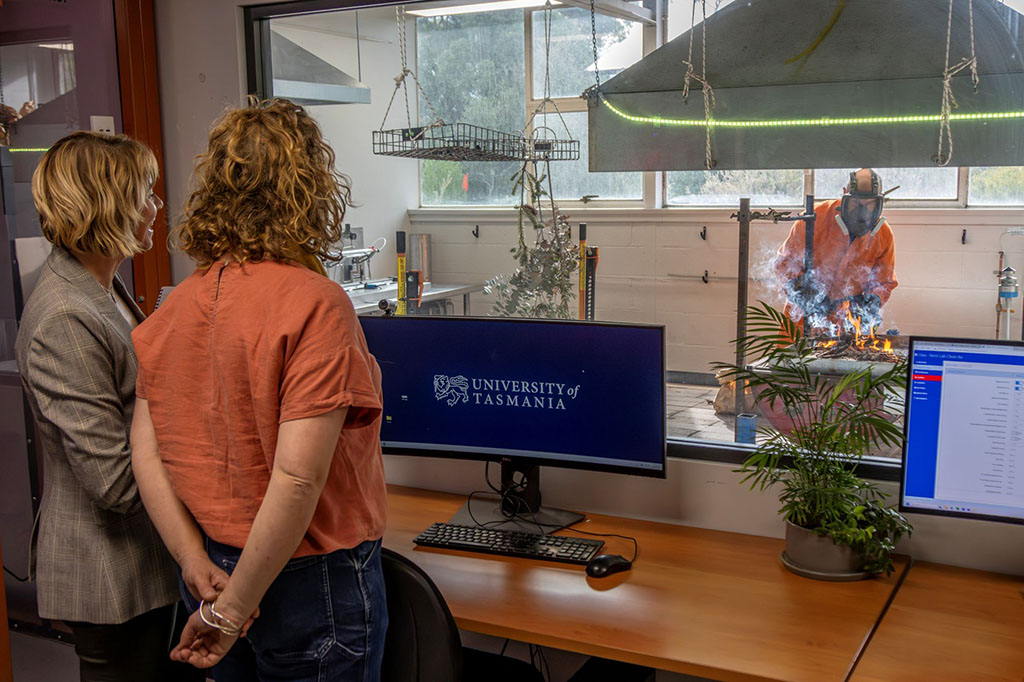
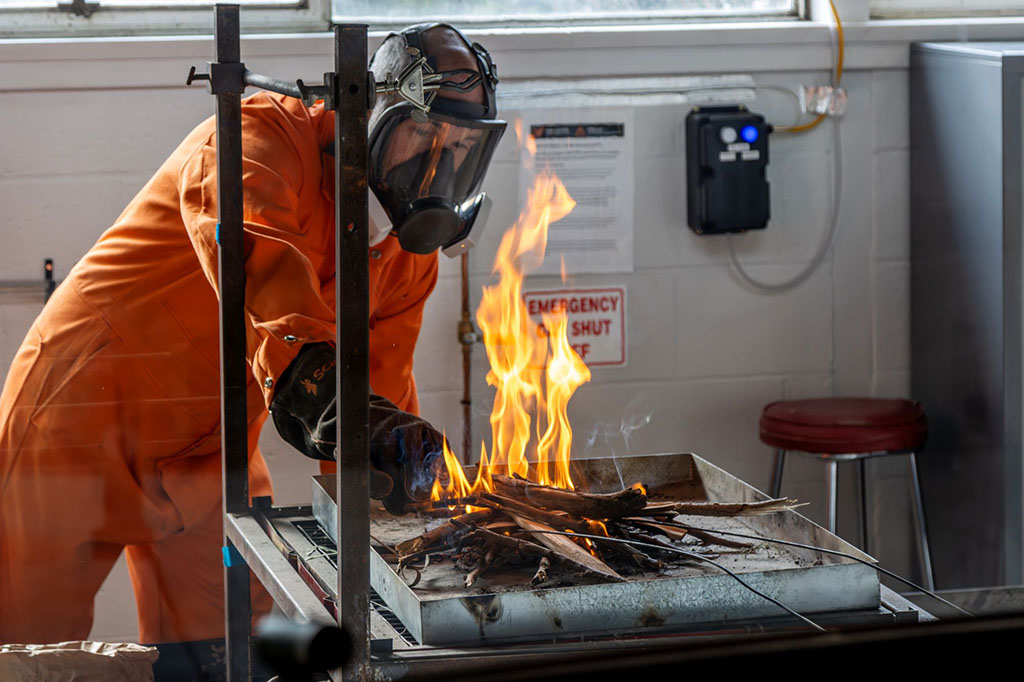
The Flammability Laboratory allows researchers to systematically test and compare the flammability of diverse plant species under varying conditions and to investigate the impacts of smoke taint on crops like wine grapes and measure bushfire emissions.. This means more accurate fire behavior predictions and potentially, more effective land management strategies.
Smoke Emissions and Air Pollution:
FireLab3 tackles the insidious threat of air pollution head-on.
Professor Fay Johnston, a leading public health physician and environmental epidemiologist, highlights the transformative potential: “FireLab3 gives us the ability to design more effective interventions to protect communities from bushfire smoke, extreme heat and wood heater emissions. It’s a game-changer for public health and climate adaptation.”
““We are entering a new era where the impacts of fire and air quality on human health can be measured and understood with far greater precision,” Johnston said.
Human Health Impacts:
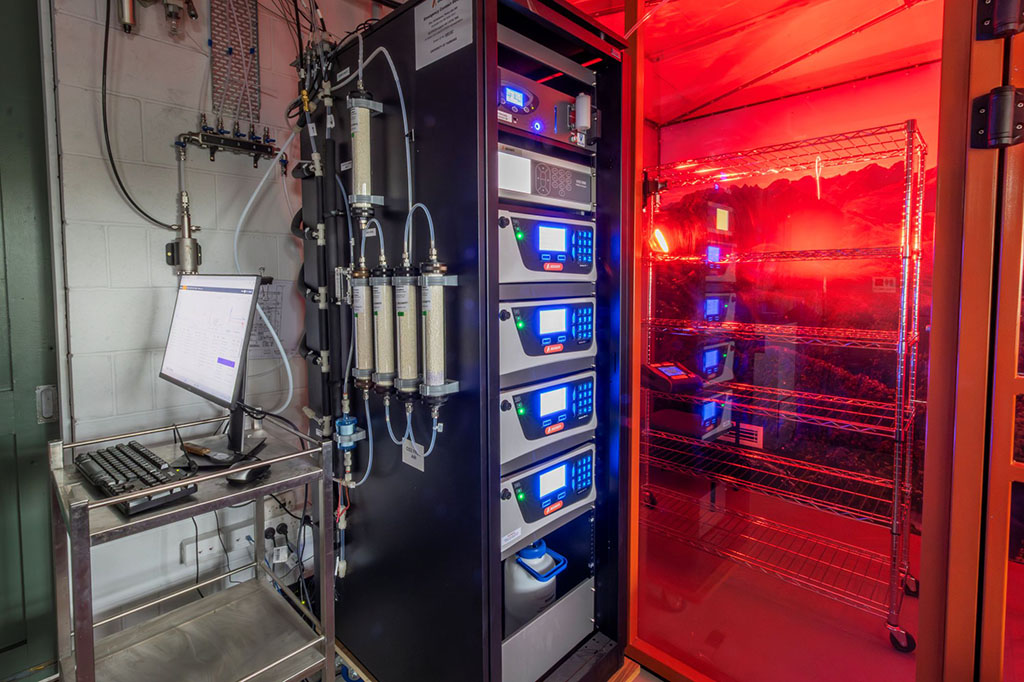
The cutting-edge Climate Hut is highly specialised with a controlled exposure chamber that simulates real-world atmospheric conditions. It allows researchers to study the effects of smoke and climate on human health, contributing critical insights to public health strategies and bushfire resilience.
“We are entering a new era where the impacts of fire and air quality on human health can be measured and understood with far greater precision,” Johnston said.
“FireLab3 gives us the ability to design more effective interventions to protect communities from bushfire smoke, extreme heat and wood heater emissions. It’s a game-changer for public health and climate adaptation.”
Bioenergy Innovation:
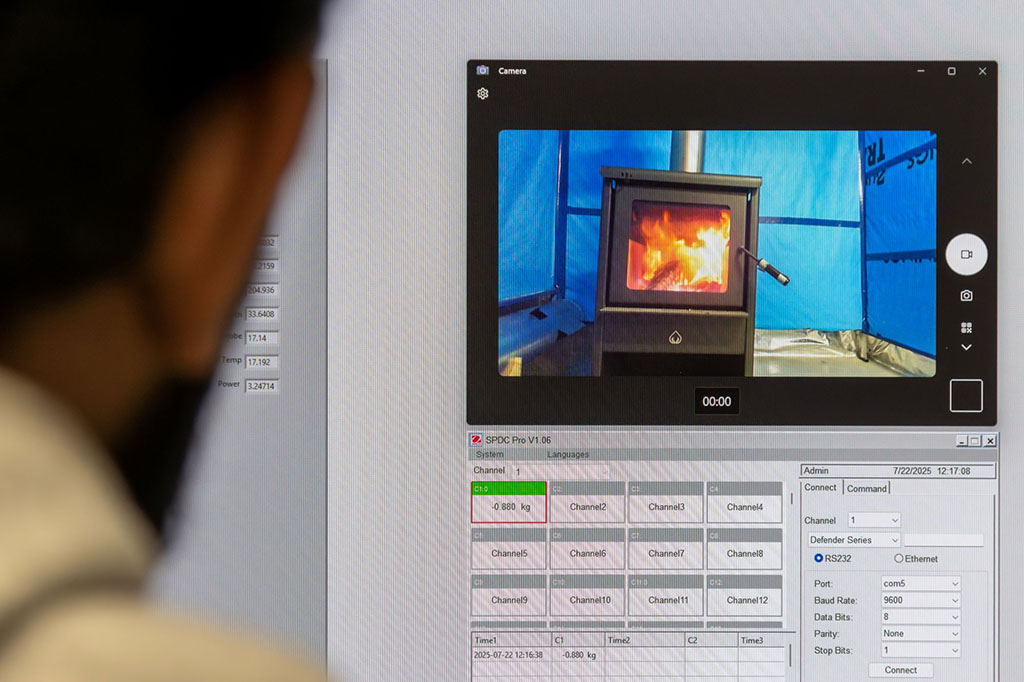
The John Todd Bioenergy Laboratory is taking on a major source of Australian air pollution: wood heaters. By driving innovation in testing and design, the lab aims for substantial reductions in toxic particles and carbon emissions, offering a pathway to cleaner heating solutions.
What truly sets FireLab3 apart is its holistic approach, bringing together diverse expertise from the Menzies Institute for Medical Research and the Fire Centre Research Hub, in the School of Natural Sciences. This interdisciplinary collaboration acknowledges that climate change, bushfires, and human health are inextricably linked, requiring a unified front to address them effectively.
In a world often overwhelmed by the scale of environmental challenges, FireLab3 offers a potent dose of optimism. It’s a reminder that through collaborative research and pioneering innovation, we can not only understand the impacts of climate change but also develop the tools and strategies to adapt, mitigate, and ultimately, build a healthier, more resilient future for all.
Tasmania, through FireLab3, is not just reacting to a crisis; it’s actively forging solutions.
Tasmanian Times (TT) is a community-based news and current affairs service covering the island state of Tasmania. It exists to provide a diverse view of Tasmanian issues. TT creates and supports independent media content utilising the best of modern technologies and tried-and-true practices of public-interest journalism.
Support us in expanding our coverage and developing new content by and for Tasmanians.
New initiatives on the way include:
- a weekly podcast covering current affairs
- a revamped website
- a monthly cartoon competition
- a user-friendly app for both Android and Apple devices
- a weekly roundup of key stories