zzSPECIALPOSTzz
Expert Tips for Settling Disputes During Residential Construction

Advertisement / Sponsored Content
This content is paid advertising and has been prepared in collaboration with the advertiser.
This post remains active as a legacy issue and is being phased out from January 2026.
Tasmanian Times no longer accepts requests for paid content or advertorials.
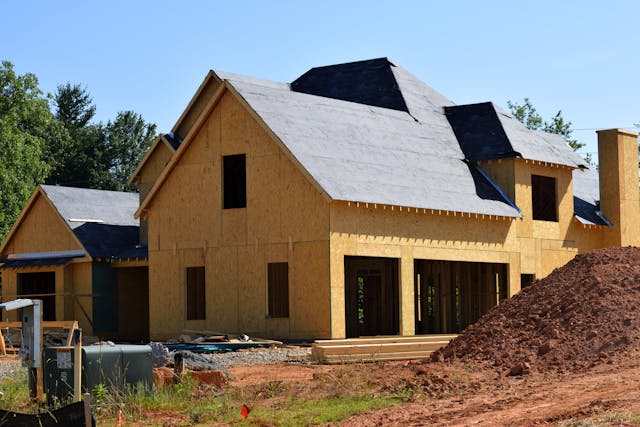

Construction projects, especially residential ones, can be complex and prone to disagreements between homeowners, builders and contractors. These disputes, if left unresolved, can cause costly delays, increased expenses and strained relationships. Whether you’re just starting a project or are already facing a conflict, knowing how to approach and settle disputes effectively is crucial.
Here are expert tips to help you navigate residential construction disputes confidently and efficiently.
Understand Common Causes of Construction Disputes
Disputes in residential construction often arise from payment issues, delays in timelines, or concerns about the quality of workmanship and materials. Misunderstandings about contract terms or mid-project changes also frequently trigger conflicts.
Being aware of these pitfalls allows you to proactively manage your project. Ensure a clear, detailed contract is in place and set explicit expectations with all parties involved. Should conflicts escalate, organisations like NCAT provide structured processes for efficient dispute resolution. Regular communication and project updates also play a critical role in preventing disputes.
When to Consider Filing a Claim in NCAT
Understanding the appropriate timing and process to file a claim in NCAT is crucial for effective dispute resolution. Many people wonder, “When and how should NCAT building disputes claims be filed in NSW?” The answer largely depends on whether the disputed amount falls within NCAT’s financial jurisdiction, which typically covers claims up to $500,000. For disputes within this limit, NCAT offers a streamlined and accessible forum for resolving such issues without the complexities of formal court procedures.
Filing early can prevent your dispute from escalating and allows for possible mediation or conciliation facilitated by NCAT. However, if the value of the dispute exceeds NCAT’s limits or involves complex legal questions, pursuing the matter in the District or Supreme Court may be necessary.
Use NCAT for Efficient and Cost-Effective Resolution
NCAT is designed to be more accessible and less intimidating than traditional courts, making it an excellent first step for many residential construction disputes. The tribunal offers a range of dispute resolution processes, including mediation and expert determinations, which focus on finding practical and mutually agreeable solutions. This approach helps avoid lengthy and expensive court battles.
Additionally, NCAT’s informal procedures mean that homeowners and builders can often represent themselves without needing costly legal representation. This accessibility helps keep costs down and speeds up resolutions. The quicker a dispute is settled, the sooner the construction can proceed without disruption.
Document Everything Thoroughly
One of the most powerful tools you have in settling disputes is thorough and organised documentation. From the outset of your project, keep detailed records of contracts, change orders, receipts, communication logs (emails, texts, phone calls) and progress reports. Documentation provides clarity and evidence that can support your claims or defences during dispute resolution.
In cases where defects or delays are contested, photographs and expert reports can be invaluable. Having a well-maintained paper trail often encourages both parties to work toward settlement, knowing that the facts are clearly recorded.
Communicate Clearly and Early
Disputes are often exacerbated by poor communication or misunderstandings. Establishing clear communication channels and addressing concerns promptly helps prevent issues from escalating. When problems arise, approach the other party calmly and professionally to discuss the matter.
Early engagement through negotiation or mediation can resolve many disputes without formal claims. Mediation, often facilitated by NCAT, allows both parties to express their concerns and explore compromise solutions in a cooperative setting, preserving relationships and avoiding costly litigation.
Know When to Seek Legal Advice
While many disputes can be resolved through NCAT or informal negotiation, some situations require legal expertise. Complex contracts, large financial stakes or issues involving multiple parties may necessitate consulting a construction lawyer.
A legal professional can review your contract, advise on your rights and obligations and help you prepare your case effectively. Early legal advice can save time and money by clarifying the best course of action and avoiding common pitfalls.
Be Prepared for Exceptions and Complex Cases
Certain types of claims fall outside NCAT’s jurisdiction and require court proceedings. For example, disputes governed by the Security of Payment Act, which covers progress payments for construction work, must be handled in courts. Additionally, highly complex legal issues or very high-value disputes may be inappropriate for NCAT.
Understanding these exceptions is essential to ensure your dispute is filed in the correct forum. Filing in the wrong place can lead to delays and additional costs.
Conclusion
By following these expert tips, you can approach residential construction disputes with a clear strategy and greater confidence. Taking timely action, maintaining clear communication, and keeping detailed records are key to settling disputes efficiently. Remember, early resolution benefits all parties and keeps your construction project on track.
Advertisement / Sponsored Content — This content is a paid advertorial published in consideration of payment or other commercial benefit. The views, claims, statements, offers and representations are those of the advertiser and do not necessarily reflect the views of the publisher, which does not endorse or verify them. This material is provided for general promotional information only and does not constitute legal, financial, medical, investment or other professional advice; readers should make their own enquiries and seek professional advice before acting. Claims, testimonials and performance statements have not been independently verified unless stated. Offers and availability are subject to change and additional terms. This advertorial may contain links to third-party websites and the publisher may receive commissions or other benefits from reader engagement; the publisher is not responsible for third-party content or fulfilment. To the maximum extent permitted by Australian law, the publisher disclaims liability for reliance on this content, and nothing limits rights that cannot be excluded under the Australian Consumer Law. Where applicable, this advertorial is authorised by the advertiser and does not constitute independent editorial content.