zzSPECIALPOSTzz
How to Keep Construction Budgets Under Control

Advertisement / Sponsored Content
This content is paid advertising and has been prepared in collaboration with the advertiser.
This post remains active as a legacy issue and is being phased out from January 2026.
Tasmanian Times no longer accepts requests for paid content or advertorials.
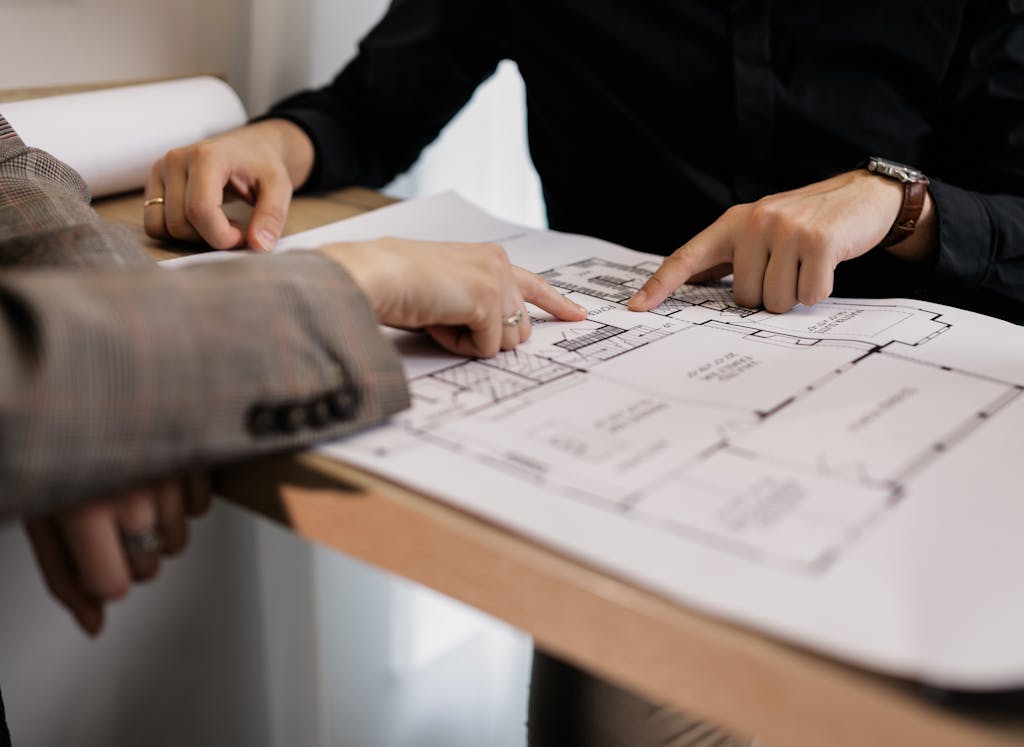
Why do so many construction projects go over budget, even when everything seems carefully planned?

It happens more often than you’d think. You set a budget, pick a deadline, hire the right team, and still, the costs climb. Maybe it’s material prices going up, unexpected delays, or small changes that add up fast. Staying on budget in construction is tough. There are so many moving parts, and even a small surprise can turn into a big expense. But here’s the good news: with the right approach, you can stay in control.
This article will walk you through smart, practical tips to help you manage costs, avoid common mistakes, and keep your construction project on track — and on budget.
1. Start With a Solid Budget Plan
Everything begins with a clear, detailed budget. This means more than just estimating materials and labour — you need to include permit fees, equipment rentals, site preparation, waste removal and contingency funds. Leave room for the unexpected, because there will always be surprises.
Use budgeting software or tools that let you break down costs into phases or categories. A transparent structure helps you track spending and catch overruns early.
2. Set Clear Project Scope and Stick to It
Scope creep — when extra tasks or upgrades sneak into the project — is one of the most common reasons budgets explode. Maybe it’s a small design change here or a “just one more feature” request there. Before you know it, your costs are way off track.
To avoid this, define your project scope clearly from the start and communicate it with your entire team. If changes do arise, use a formal change-order process to assess the budget impact before moving forward.
3. Get Accurate Cost Estimates From the Start
Guesswork is dangerous in construction. Instead of relying on rough estimates, seek detailed, data-backed pricing. This includes up-to-date material and labour rates, which can vary dramatically depending on region and timing.
This is where hiring a quantity surveyor in Brisbane can make a difference. A quantity surveyor brings specialised knowledge in cost planning and financial management. They can help you accurately forecast expenses, manage tenders and monitor costs throughout the project, saving you money and reducing financial risk.
4. Choose the Right Contractors and Suppliers
Your project is only as strong as the people behind it. Partnering with reliable contractors and suppliers helps prevent delays, costly mistakes, and hidden fees.
When comparing bids, don’t just go for the lowest price. Review their previous work, ask about timelines, and make sure they understand the scope clearly. A cheap quote that leads to poor quality or delays will cost more in the long run.
5. Track Expenses in Real Time
One of the biggest budget killers is not knowing where your money is going. Regularly tracking expenses — weekly, if not daily — gives you a clear picture of how the project is progressing financially.
Use modern project management tools that offer cost tracking and reporting features. Set alerts for overspending or when costs exceed a set percentage of the plan. The earlier you catch issues, the easier they are to fix.
6. Communicate Often — and Clearly
Miscommunication between project managers, contractors and clients is a recipe for disaster. Delays, double work and budget confusion usually follow.
Hold regular check-ins. Document key decisions. Keep everyone in the loop when timelines or expectations shift. Open, honest communication prevents small issues from snowballing into expensive problems.
7. Plan for Contingencies
Even the best-planned projects run into issues — unexpected weather, late deliveries or damaged materials. That’s why every smart construction budget includes a contingency fund, usually around 10–15% of the total project cost.
Resist the urge to spend this money unless it’s truly necessary. Think of it as your emergency backup plan.
8. Learn From Every Project
Once your project is finished, take time to review what went right and what didn’t. Were there unexpected expenses? Did a supplier let you down? Was the schedule too tight?
Learning from each project helps you build stronger budgets and better systems for the next one. Over time, this kind of reflection leads to more predictable, cost-effective builds.
Final Thoughts
Keeping a construction budget under control isn’t easy — but it’s definitely doable with the right planning, people and tools. It’s all about being proactive, staying organised and having the right experts by your side. Whether you’re managing a small renovation or a large-scale development, taking the time to build a solid budget strategy upfront will save you stress, time and money in the long run.
Advertisement / Sponsored Content — This content is a paid advertorial published in consideration of payment or other commercial benefit. The views, claims, statements, offers and representations are those of the advertiser and do not necessarily reflect the views of the publisher, which does not endorse or verify them. This material is provided for general promotional information only and does not constitute legal, financial, medical, investment or other professional advice; readers should make their own enquiries and seek professional advice before acting. Claims, testimonials and performance statements have not been independently verified unless stated. Offers and availability are subject to change and additional terms. This advertorial may contain links to third-party websites and the publisher may receive commissions or other benefits from reader engagement; the publisher is not responsible for third-party content or fulfilment. To the maximum extent permitted by Australian law, the publisher disclaims liability for reliance on this content, and nothing limits rights that cannot be excluded under the Australian Consumer Law. Where applicable, this advertorial is authorised by the advertiser and does not constitute independent editorial content.