
Advertisement / Sponsored Content
This content is paid advertising and has been prepared in collaboration with the advertiser.
This post remains active as a legacy issue and is being phased out from January 2026.
Tasmanian Times no longer accepts requests for paid content or advertorials.
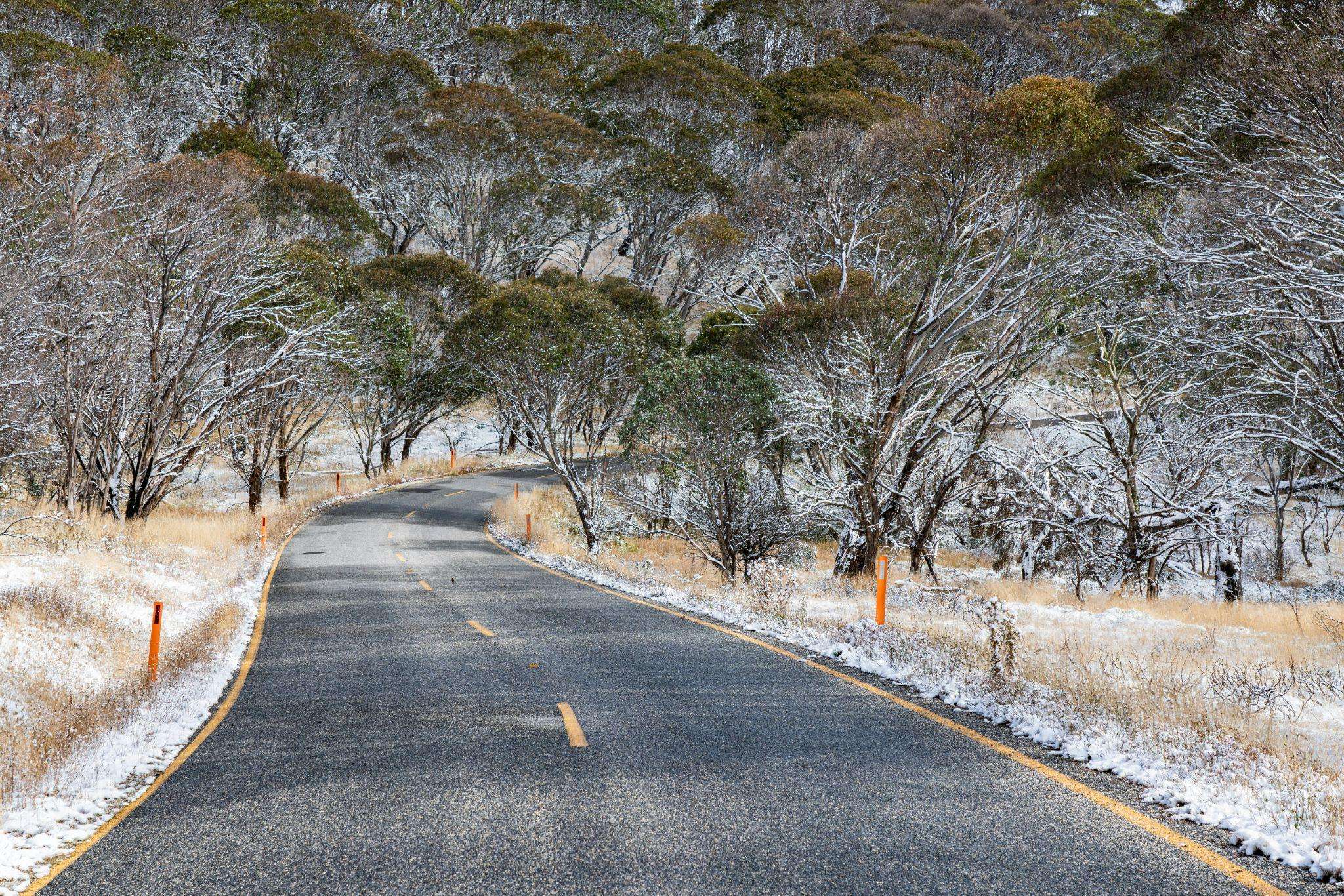
Exploring a new country by road is a thrill all should experience at least once, and few countries offer a better driving experience than Australia, thanks in part to our expansive network of regional highways and country roads.
But for international drivers, there are a few things you need to know before hitting the open road – things that are unique to driving in Australia. Here’s all the preliminary info you need to make sure your driving experience in Australia is safe and effectively a highlight of your visit.
Insurance considerations
Whilst major Australian roadways are generally in good condition, you may come across dirt or gravel roads and experience hazardous conditions like falling branches or wildlife crossing when driving across the country. This is why comprehensive car insurance that provides cover for accidental damage or damage resulting from environmental factors (i.e. hail storms, flooding, etc.) is an essential for most Australian drivers.
For international drivers looking to purchase your own car, securing comprehensive cover can help you stay safer on dangerous or isolated roadways. And if you’re planning on hiring a car in Australia, you’ll definitely need to secure insurance through your rental car provider.
And in the unlikely event that you do happen to get into a motor accident, understanding your responsibilities as driver and familiarising yourself with your insurance provider’s claims process can greatly help alleviate the stress and uncertainty following motor accidents or collisions.
Get a valid licence first
Of course, international drivers can’t just come and drive using their foreign IDs indefinitely. Australian road laws allow visitors to use their foreign licences for up to three months. Following this three month period, you will need to obtain an International Driving Permit (IDP) or convert your overseas licence to an Australian driver’s licence.
And make sure your licence is valid at all times, whether you’re using an IDP, an overseas licence, or have been able to convert your existing licence to an Australian driver’s licence. Like most places, pleading ignorance to a traffic cop over an expired licence isn’t a smart strategy.
Aussies drive on the left
Depending on what side of the road you drive on at home, this detail will either fill you with dread or leave you in a state of calm. The numbers suggest it’s a fairly even split which reaction yours will be. New Zealand, China, the United States, the United Kingdom and India were the top five international visitors to Australia last financial year. New Zealand (No.1), the United Kingdom (No.4), and India (No.5) all drive on the left, while China (No.2) and the United States (No.3) drive on the right. Again, a fairly even split.
If the right side is your natural side, it’s a matter of patience and quiet confidence. Melbourne’s CBD, with its infamous hook turns, mightn’t be the place to learn the ropes. Try somewhere with more space, less noise, then build toward the metro areas. If you’re planning a road trip along the east coast, most of your driving will be on highways, with country roads bleeding off on either side.
Know the road rules
Most of us drive so often it becomes second nature. You pop to the supermarket for milk and return with little memory of the drive. Which is fine, when you’re at home. A passive approach won’t help you in Australia, especially when it comes to road rules. An academic study of legislation isn’t needed, just a healthy dose of awareness.
You’ll already be familiar with the major rules—seatbelts, speed limits, drunk driving—mainly because you’ll have identical or similar rules back home. Even so, it doesn’t hurt to learn Australia’s road rules before firing the ignition.
Be mindful of wildlife signage
Ask a dozen visitors why they’ve come to Australia and you’ll get a dozen visitors talking about koalas and kangaroos. And with good reason. So much of Australia’s national identity is built upon its native wildlife. Where else can you find an animal as Darwin-defying as the platypus? (Hint: nowhere). The issue is, many species of wildlife live near urban areas. Which means, many live near roads.
The first time you see a sign with a kangaroo that says ‘WILDLIFE CROSSING’, it may feel like a bit of a novelty. You might even get excited at the prospect of seeing a kangaroo somewhere around the roadside. But keep in mind the real purpose of that sign is to help you avoid grievously injuring or killing wildlife and perhaps even causing irreparable damage to your vehicle.
Colliding with a kangaroo can be just as damaging to your car as hitting a deer. And alongside resulting in the death or grievous injury of the animal in question, collisions with wildlife also have the potential to total your car and even cause physical injuries to you and your passengers. So drive with caution during wildlife zones to avoid any risks of getting stranded with injuries for your travel party, as well as supporting local wildlife carers in their ongoing efforts to reduce roadkill rates.
Choose the right vehicle
Even here in Tassie, there’s a diverse range of driving terrain, and road conditions can change quickly in winter weather. So you must choose a vehicle that suits your itinerary. A hatchback might be brilliant for zipping around Hobart, but not so much for driving through Arthur River or Cradle Mountain, for instance.
If you are looking to drive through the bush, a sturdy 4WD is likely to be your best option. If you’re travelling with a larger party, a good people mover like a Toyota Granvia or its predecessor, the Tarago – a uniquely Australian Toyota release that was originally named after the Tarago township in New South Wales.
As there are other vehicle models that are unique to Australia, it’s best to look into the vehicles available to you in the Aus market to determine what your options are likely to be upon arriving down under.
Head off on your Australian road trip with confidence
These are some of the common things you need to know before driving in Australia. The list can be as long as your imagination. It’s natural to yearn for surprises when you visit someplace new; it’s one of travel’s biggest drawcards. Just make sure the surprises don’t compromise your safety. So long as you keep safety in mind, the fun will surely follow right behind.
Advertisement / Sponsored Content — This content is a paid advertorial published in consideration of payment or other commercial benefit. The views, claims, statements, offers and representations are those of the advertiser and do not necessarily reflect the views of the publisher, which does not endorse or verify them. This material is provided for general promotional information only and does not constitute legal, financial, medical, investment or other professional advice; readers should make their own enquiries and seek professional advice before acting. Claims, testimonials and performance statements have not been independently verified unless stated. Offers and availability are subject to change and additional terms. This advertorial may contain links to third-party websites and the publisher may receive commissions or other benefits from reader engagement; the publisher is not responsible for third-party content or fulfilment. To the maximum extent permitted by Australian law, the publisher disclaims liability for reliance on this content, and nothing limits rights that cannot be excluded under the Australian Consumer Law. Where applicable, this advertorial is authorised by the advertiser and does not constitute independent editorial content.