zzSPECIALPOSTzz
Boosting Brand Visibility – Tips for Effective Sign Displays

Advertisement / Sponsored Content
This content is paid advertising and has been prepared in collaboration with the advertiser.
This post remains active as a legacy issue and is being phased out from January 2026.
Tasmanian Times no longer accepts requests for paid content or advertorials.
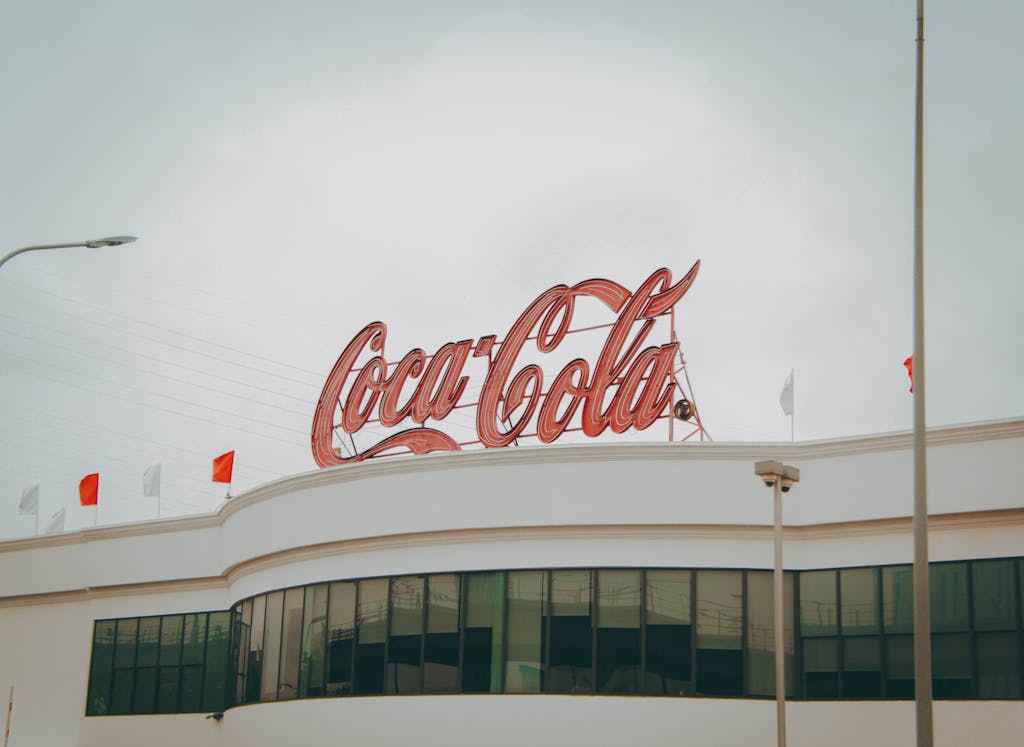

When it comes to increasing brand visibility and attracting new customers, your signage plays a more important role than you might think. A well-designed sign display acts as a silent salesperson, conveying your brand identity, communicating your message, and guiding people directly to your door. In a saturated market, strong signage helps you stand out and stay top of mind.
Understanding how to optimise your signage for maximum impact can lead to measurable growth. This guide will walk you through the essential elements of effective sign displays that elevate your brand.
-
Understand Your Brand Identity Before Designing
Your signage should reflect your brand’s personality, tone, and values. Before you even begin designing, take time to define what makes your brand unique. Is it modern and innovative, or traditional and reliable? The colours, fonts and imagery you use should all align with your overall brand aesthetic.
Consistency across all platforms is key. Your signs should mirror your online presence, logo and marketing materials to maintain visual cohesion. This strengthens brand recognition and builds trust with your audience, whether they’re seeing your sign for the first time or the hundredth.
-
Choose Colours That Communicate and Convert
Colour is one of the most powerful tools in signage. It influences mood, catches the eye, and can even drive action. High-contrast combinations, like black and yellow or white and red, are particularly effective at grabbing attention and improving readability from a distance.
However, it’s essential to balance creativity with clarity. Overly complex or clashing colours can overwhelm the viewer and dilute your message. Instead, use your brand colours strategically and limit the palette to two or three tones that complement one another and support legibility.
-
Optimise Font Choices for Readability
Legibility is the foundation of effective sign display. Even the most beautiful sign design is useless if people can’t read it quickly and easily. Use clean, sans-serif fonts for main messages and avoid overly stylised typography that may be difficult to interpret.
Font size also matters. Make sure your text is large enough to be read from the expected viewing distance. A good rule of thumb: letters should be at least one inch tall for every 10 feet of viewing distance. Use bold type to emphasise key messages and maintain clear spacing between lines and words.
-
Design for Quick Comprehension
Your audience is often on the move: walking, driving, or glancing out a window. That means your signage has just a few seconds to make an impression. Focus on conveying your message with as few words as possible. Short, punchy phrases tend to perform better than dense blocks of text.
Use visual hierarchy to direct the viewer’s eye. Headlines should be the largest and boldest elements, followed by supporting information and any call-to-action. Graphics and icons can be helpful, but should never compete with the core message.
-
Pick the Right Sign Type for Your Environment
Different settings call for different types of signs. Indoor signs can focus on aesthetics and detailed messaging, while outdoor signs need to withstand weather and remain visible in all lighting conditions. Consider where your audience will encounter the sign and tailor the materials and design accordingly.
Popular signage options include monument signs, window decals, banners, LED displays and pylon signs. Digital signs are especially effective for rotating messages and promotions. Regardless of the format, choose a sign type that enhances your brand presence while addressing the physical and visual environment it occupies.
-
Location Is Everything
Even the best-designed sign won’t drive results if it’s hidden or poorly placed. Strategic placement ensures that your sign is both visible and relevant. Think about lines of sight, natural foot traffic flow and lighting when determining where to install your signage.
Consider visibility from multiple angles – front-facing signs may miss traffic approaching from side streets. Signs positioned too high or too low may also be missed. Test your signage placement from different viewpoints and distances to ensure maximum exposure and effectiveness.
-
Embrace Lighting to Maximise Impact
Illuminated signs offer 24/7 visibility and reinforce your brand presence day and night. Backlit displays, LED channel letters, and edge-lit signs can give your business a polished, high-end look. For outdoor signage, lighting is crucial for visibility during evenings or low-light weather conditions.
Use lighting strategically to highlight key elements like your logo or slogan. Energy-efficient LED options are long-lasting and can be programmed to adjust brightness depending on the time of day or season. Well-lit signs not only boost brand visibility but also enhance safety and accessibility.
-
Keep Your Message Clear and Consistent
Clarity should always be your goal. Whether your sign promotes a sale, announces a new location, or simply displays your logo, the message should be unambiguous. Avoid industry jargon, confusing acronyms, or trying to say too much at once.
Consistency across signs builds credibility. Use the same tone, logo placement, and design style across all your locations or campaigns. A consistent message creates brand familiarity and helps customers instantly associate your signage with your business.
-
Maintain and Update Signs Regularly
Outdated or damaged signage can hurt your brand image more than it helps. Cracked paint, flickering lights, or faded colours suggest neglect and can undermine customer trust. Make it a habit to inspect your signs periodically and address wear and tear promptly.
Regular updates also keep your message fresh. Seasonal promotions, changes in hours, or updated branding are all good reasons to refresh your signage. Digital displays offer easy content updates without the cost of reprinting, making them a smart investment for long-term flexibility.
-
Track Performance and Make Adjustments
Finally, evaluate the effectiveness of your signage. Use tools like customer surveys, foot traffic analysis, or even QR codes to gather data on sign impact. If you’re not seeing the results you want, experiment with different placements, messages or designs to see what resonates.
Signage is a dynamic marketing tool that should evolve with your business. As your brand grows and audience preferences shift, your signs should reflect that evolution. Continuous optimisation ensures that your signage remains one of your strongest assets in building brand visibility.
In Conclusion
Effective signage is more than just a visual element. It’s a strategic investment in your brand’s future. When executed well, it increases awareness, builds trust and drives real customer engagement. Use these tips to create sign displays that don’t just get noticed, but remembered.
Advertisement / Sponsored Content — This content is a paid advertorial published in consideration of payment or other commercial benefit. The views, claims, statements, offers and representations are those of the advertiser and do not necessarily reflect the views of the publisher, which does not endorse or verify them. This material is provided for general promotional information only and does not constitute legal, financial, medical, investment or other professional advice; readers should make their own enquiries and seek professional advice before acting. Claims, testimonials and performance statements have not been independently verified unless stated. Offers and availability are subject to change and additional terms. This advertorial may contain links to third-party websites and the publisher may receive commissions or other benefits from reader engagement; the publisher is not responsible for third-party content or fulfilment. To the maximum extent permitted by Australian law, the publisher disclaims liability for reliance on this content, and nothing limits rights that cannot be excluded under the Australian Consumer Law. Where applicable, this advertorial is authorised by the advertiser and does not constitute independent editorial content.