zzSPECIALPOSTzz
Why Smart Companies Are Counting On AI For Economic Efficiency

Advertisement / Sponsored Content
This content is paid advertising and has been prepared in collaboration with the advertiser.
This post remains active as a legacy issue and is being phased out from January 2026.
Tasmanian Times no longer accepts requests for paid content or advertorials.

In today’s fast-changing world, companies are always looking for ways to save money, save time, and grow quickly.
One of the best tools helping them do this is artificial intelligence (AI). From doing small daily tasks to making smart decisions, AI is becoming a very important part of how businesses work.
But saving money isn’t the only reason companies use AI. It also helps them work faster, make fewer mistakes, and stay ahead of others.
Our Blog Explores that how Economy Industry shapes new AI in digital marketing helps to increase efficiency.
What Does Economic Efficiency Mean in 2025?
Economic efficiency in 2025 isn’t just about doing more with less — it’s about doing better with smarter tools.
The idea is simple: minimise waste (of time, money, or resources) while maximising output and performance.
AI plays a huge role here because it can process vast amounts of data quickly, make real-time decisions, and perform tasks that would otherwise require hours of manual effort.
For example, consider how companies handle customer support today.
Instead of hiring large call centres, businesses are using AI voice assistants that can speak in multiple accents — including using tools like an Australian accent generator — to deliver personalised, localised support.
The Role of Business AI Tools in Scaling Operations
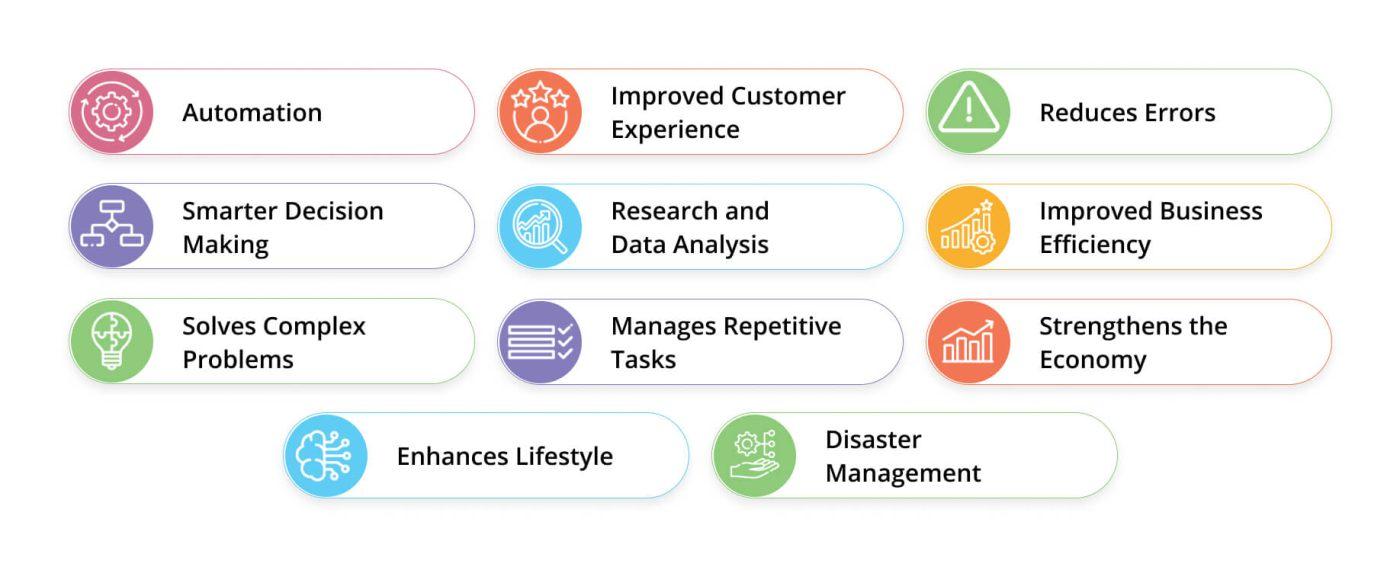

AI delivers the advantage of capability expansion through operations scaling at unproportional cost levels. The solutions provided by AI tools match the requirements of both small startups and large enterprises throughout their growth phase.
The repetitive task automation system can handle entire workflows through tools such as Zapier and Make.com.
These platforms integrate with platforms to automate email sending and data synchronisation
AI availability enables teams to redirect their efforts toward strategic work tasks.
AI Content Creation:
Leveraging AI technology allows businesses to produce articles while generating product descriptions along with video voice-overs through Australian accent generators.
These instruments eliminate extensive manual work tasks so teams can maintain brand consistency when they need help with writing or editing.
Sales and CRM Automation:
CRM platforms enabled by AI technology enable sales teams to identify lead priorities and arrange follow-ups resulting in superior customer relationship management results.
Real-Time Data Analytics:
AI analytics tools deliver immediate data analytics insights which replace the traditional waiting time required for reports to be generated.
Thus the organisation achieves expedited decision processes and swift adjustments to its direction.
These digital solutions enable businesses to grow their operations without starting from scratch by building separate departments with every scale-up initiative.
Key Areas Where Companies Are Saving Big
AI offers significant financial benefits to organisations through particular areas of business during 2025.
1. Customer Support
Thousands of daily customer inquiries are being processed by both AI chat-bots and voice assistants.
The technology possesses language processing capabilities alongside problem-solving capacity and ability to send hard-to-handle situations to appropriate human operators.
Brands leverage Australian accent generators within voice AI platforms to help their platforms speak with local customers effectively.
Lowering expenses becomes possible by removing the requirement for round-the-clock support personnel and telephone support centres
2. Marketing and Content Production
King status belongs to content yet producing it required substantial time commitments in the past. The current business landscape allows AI technology to produce blog posts and social media captions as well as video voice-overs and email campaigns.
Companies can scale up content localisation through voice tools which offer accent customisation capabilities including Australian voice options.
The production time needed for generating content as well as its localisation process leads to financial savings.
The AI hiring tools perform document analysis for candidates’ resumes before automatically scheduling interviews alongside initial assessments done through chat-bots
Organisational recruitment becomes more efficient through this system while also shortening the process of hiring new employees.
Employee feedback analysis tools integrated into some systems help organisations improve their employee retention rate.
Savings: Reduced HR workload and better hiring decisions.
4. Inventory and Supply Chain Management
AI systems maintain inventory tracking to provide demand predictions which leads to optimised delivery pathway optimisation
Companies that minimise product inventory errors gain higher profitability levels because they neither waste money on excess stock nor face running out of essential items.
Savings: Less waste, better inventory control, and lower logistics costs.
5. Training and E-learning
Easier training material development and employee on-boarding training has become possible due to AI video editors and text-to-speech applications.
Businesses benefit from the Australian accent generator which enables video training of global teams across multiple regions while improving accessibility through regional accents.
Challenges and Risks of Relying on AI for Efficiency
AI systems come with limitations since they are not infallible. Organisations receive many benefits from the system yet they must carefully watch out for several potential problems.
1. Data Privacy and Security
AI systems function because of their extensive need to use data. The improper security of this data makes it susceptible to breaches.
Companies must verify that their AI solutions adhere to privacy standards which include requirements from GDPR and Australia’s Privacy Act.
2. Over-dependence on Automation
When automation reaches excessive levels it might result in eliminating essential human elements from operations.
An AI chat-bot unable to handle special customer problems arises when customers experience unique issues.
A successful system requires a calculated ratio between machine management and human management.
3. Bias in AI Algorithms
The AI system will make unfair decisions against specific customer demographics when trained with biased information.
Such areas require particular attention for operational success especially when dealing with recruitment practices and financial authorisation procedures.
4. High Initial Setup Costs
The extensive expense involved in purchasing tools and conducting training sessions and platform integration should be considered as AI produces financial benefits over time.
Organisations need to establish their spending plans and operational blueprint before
Conclusion
In 2025 marks economic efficiency as a vital competitive requirement instead of a standard business objective.
Artificial Intelligence stands beyond its technological status as a vital business tool through automated workflow systems and Australian accent voice generation capabilities.
Discerning businesses choose to invest in AI rather than pursuing mindless speculations about artificial intelligence technology.
Time functions as money in modern life so the use of AI which makes work tasks efficient while avoiding additional effort serves as the best path for economic success.
Advertisement / Sponsored Content — This content is a paid advertorial published in consideration of payment or other commercial benefit. The views, claims, statements, offers and representations are those of the advertiser and do not necessarily reflect the views of the publisher, which does not endorse or verify them. This material is provided for general promotional information only and does not constitute legal, financial, medical, investment or other professional advice; readers should make their own enquiries and seek professional advice before acting. Claims, testimonials and performance statements have not been independently verified unless stated. Offers and availability are subject to change and additional terms. This advertorial may contain links to third-party websites and the publisher may receive commissions or other benefits from reader engagement; the publisher is not responsible for third-party content or fulfilment. To the maximum extent permitted by Australian law, the publisher disclaims liability for reliance on this content, and nothing limits rights that cannot be excluded under the Australian Consumer Law. Where applicable, this advertorial is authorised by the advertiser and does not constitute independent editorial content.