
Advertisement / Sponsored Content
This content is paid advertising and has been prepared in collaboration with the advertiser.
This post remains active as a legacy issue and is being phased out from January 2026.
Tasmanian Times no longer accepts requests for paid content or advertorials.
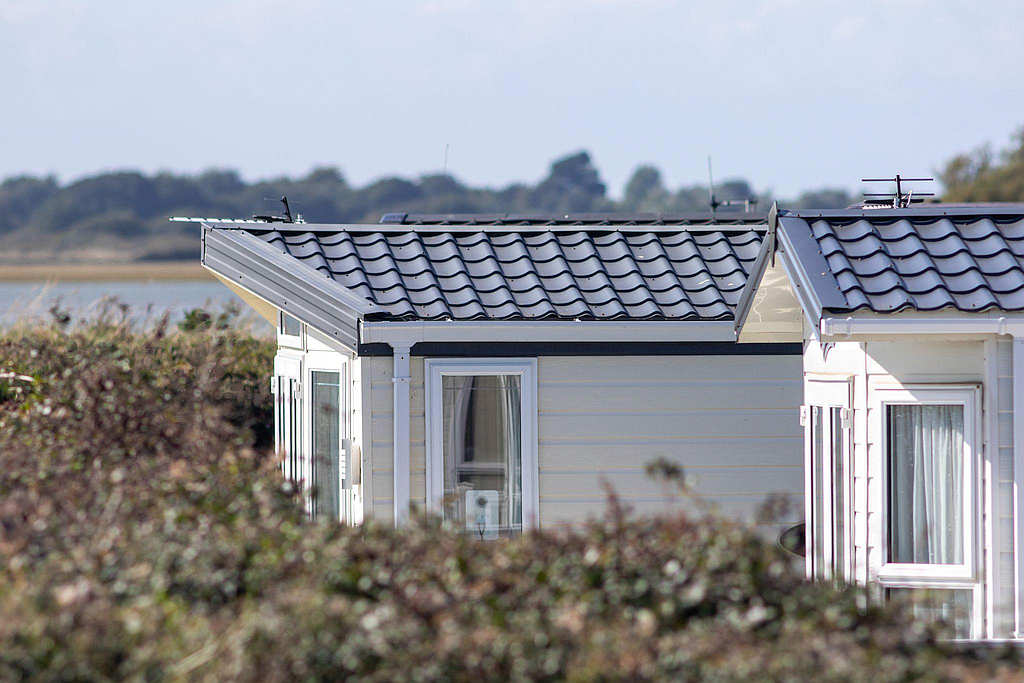
Naturally, there are many things to consider when you explore future-proofing your coastal home: salt corrosion, sun damage, extreme winds, storms and humidity. However, you must also consider how your needs and circumstances may evolve, and how the world is rapidly changing alongside you.
A modern coastal home can benefit from updated tech, which is more efficient and convenient for its current owners and a big draw for potential buyers down the line. And while your plans should include these functional updates, you should also blend them with design to ensure your home looks its best. Whether you’re building from scratch or updating an existing home, investing in durable, stylish features like steel fence panels or minimalist landscaping can help protect your home while complementing modern design aesthetics. In this article, we’ll touch on six design tips that can guide you as you future-proof your coastal home.
As mentioned above, coastal homes are uniquely vulnerable to the elements. Salt corrosion, the beating sun and tropical storms can have a massive impact on your property, leading to peeling paint, damaged fencing, and splintered siding. When future-proofing your home, look for materials that can withstand these harsh conditions. Starting from the outside in, choose durable, weather and corrosion-resistant materials like Colorbond steel fence panels for your fencing. Colorbond offers longevity for coastal environments that few materials can compete with – with strength to outlast winds and resistance against heat, UV and corrosion, not to mention a range of versatile colours to meet your aesthetic desires.
Then, for other parts of your outdoors, materials like composite decking and marine-grade stainless steel not only ensure the longevity of your home but also provide you with a sense of security and peace of mind. Composite decking is an advanced adaptation away from routine and failing wood, built to last against various weather conditions while being easy to clean and maintain. These choices are worthy investments that save you money, time, and frustration in the long run.
Energy efficiency is important for new and veteran homeowners alike, allowing you to reduce the figure on your energy bills and increase the comfort level of your home. Though coastal homeowners face unique challenges like the proximity to the ocean and extreme weather that comes with it, they also have unique opportunities to benefit from implementing energy-efficient designs.
For example, ocean breezes can make winters all the more chilly, but they can also ventilate a home beautifully in the heat of summer. Therefore, sound insulation, double-glazed windows and designs that optimise cross-ventilation in your home should be a priority when making your plans. Likewise, the coastal sunshine may cause sun damage, but it also allows you to enjoy an abundance of energy from solar panels or solar roofing tiles.
Particularly in drought-stricken countries like Australia, maintaining a lush garden can be a monumental task. Fortunately, you can still enjoy the look of a beautiful garden at your coastal home year-round by incorporating drought-tolerant and native plants into your landscaping. No matter how the weather changes in your area in the future, you’ll no longer need to worry about crispy plants and dead flowers.
Using gravel, raised garden beds or paving can reduce the level of care your garden requires while still looking sleek and modern. With this tip, you can increase your home’s curb appeal and reduce your water usage – all while putting in less work than ever before!
If one thing is sure about home design, it’s that making the most out of every metre of space will ensure your home is a place you actually want to spend time in. As your circumstances change, you may grow your family or retire, and your home may become where you spend most of your time.
Elevating your outdoor living spaces can make time in your coastal home all the more pleasant in the future. Adding small outdoor heaters, covered patios and durable outdoor furniture will ensure the space can be used in any season. Strong fence panels can enclose the space, offering a private refuge from the outside world.
Smart home features can enhance the convenience and safety of your coastal home, greatly improving your quality of life. Popular choices for coastal lifestyles include remote control shutters, leak detectors, smart lighting and smart thermostats. Smart lighting can activate when someone is outdoors enjoying the space, and automatically turn off when there is no motion, or it can be used to offer different levels of light and ambience, all controlled through a mobile phone app.
Security systems can offer peace of mind for all seaside dwellers, whether you’re in a tourist destination or an isolated area. Seamlessly incorporating smart features into your home can offer all the benefits of modern tech while still maintaining a modern, clean look.
One of the best ways to future-proof a home’s design is to avoid the temptation of fleeting trends. Bright colours, statement wallpapers, and quirky fixtures may be attractive for a season, but once the trend passes, these choices will look dated.
For coastal properties in particular, neutral colour palettes for paint, appliances and fixtures are the best choice for a look that stands the test of time. While pure white can look sterile, off-whites, creams and beiges are all great choices to add clean character. You can use furniture and accessories to express personality without impacting the value or design of your home.
Key Takeaways
You can future-proof your home while keeping modern design sensibilities in mind. Remember:
- Choose weather-resistant materials like Colorbond steel or composite decking to combat the natural damage that can occur in seaside environments.
- Prioritise energy-efficient designs to save money and use your home’s unique location to your benefit.
- Opt for a less-is-more landscaping approach, using natural, drought-tolerant plants and garden beds that reduce the need for work and water usage.
- Elevate your outdoor living spaces so that you can enjoy your coastal home year-round.
- Install smart home features to enhance the convenience and safety of your home.
- Use neutral colour palettes rather than trends, leaning into timeless, modern designs.
Advertisement / Sponsored Content — This content is a paid advertorial published in consideration of payment or other commercial benefit. The views, claims, statements, offers and representations are those of the advertiser and do not necessarily reflect the views of the publisher, which does not endorse or verify them. This material is provided for general promotional information only and does not constitute legal, financial, medical, investment or other professional advice; readers should make their own enquiries and seek professional advice before acting. Claims, testimonials and performance statements have not been independently verified unless stated. Offers and availability are subject to change and additional terms. This advertorial may contain links to third-party websites and the publisher may receive commissions or other benefits from reader engagement; the publisher is not responsible for third-party content or fulfilment. To the maximum extent permitted by Australian law, the publisher disclaims liability for reliance on this content, and nothing limits rights that cannot be excluded under the Australian Consumer Law. Where applicable, this advertorial is authorised by the advertiser and does not constitute independent editorial content.