Advertisement / Sponsored Content
This content is paid advertising and has been prepared in collaboration with the advertiser.
This post remains active as a legacy issue and is being phased out from January 2026.
Tasmanian Times no longer accepts requests for paid content or advertorials.
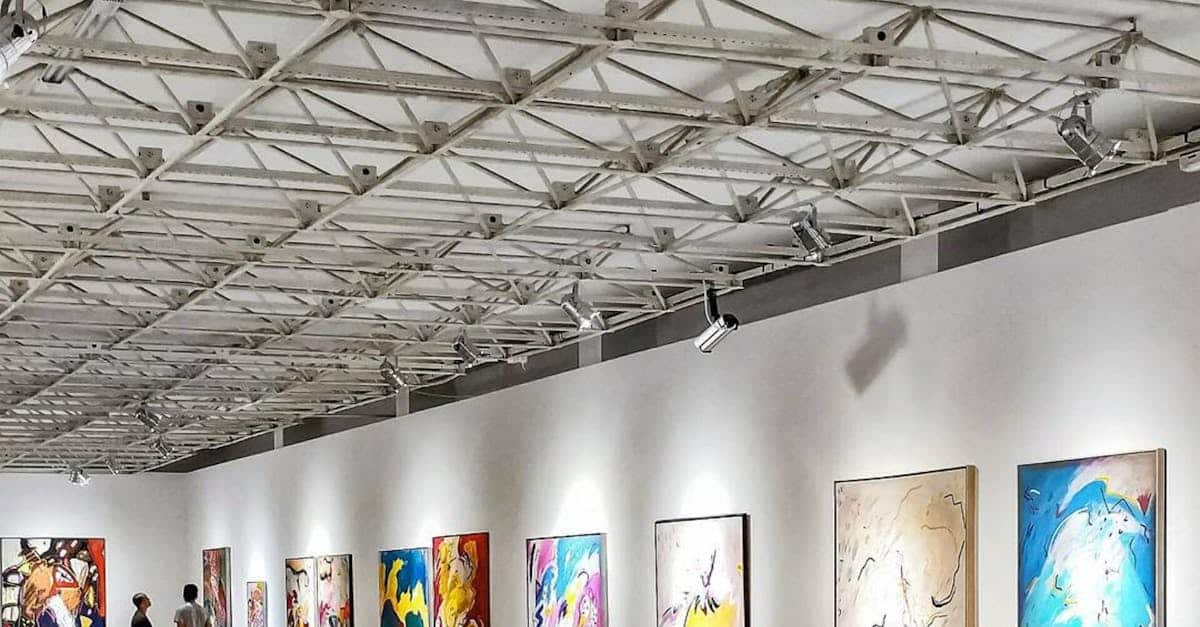
The world of arts continues to transform and expand into new dimensions, shaped by technological innovations and cultural shifts. Traditionally seen as an avenue for personal expression and cultural representation, arts have now become crucial in molding societal perceptions and economic landscapes. Across the globe, arts institutions are employing technology to break traditional boundaries, creating immersive experiences through virtual reality and interactive digital platforms. Art exhibitions and events, such as the one showcasing “William Villalongo: Myths and Migrations,” reflect this trend by encouraging audiences to engage with diverse narratives. At the same time, art education and programs are reshaping the curriculum to inspire creativity and innovation from a young age. These shifts underscore the importance of incorporating contemporary themes and digital literacy into arts education, ensuring it remains relevant to future generations.
Art exhibitions and events – Reflecting social narratives
Art exhibitions today serve as a platform for presenting themes that mirror societal changes and challenges. For instance, exhibits like “Tomashi Jackson: Across the Universe” exemplify the intersection of art and social commentary, aiming to provoke dialogues on current issues. Such events punctuate the cultural calendar, drawing attention to innovative artistic expressions while fostering a space for diverse voices. They not just showcase art, but also engage audiences in meaningful interactions, thus instigating conversations around these themes. With the infusion of technology, these exhibitions provide a multi-sensory experience that captivates both the mind and the senses. As institutions continue to push creative boundaries, they are increasingly focusing on the social dimensions of art, making them a crucial point of engagement in public discourse.
Art education and programs – Cultivating creativity and talent
Art education has seen a notable shift towards encouraging creative exploration and critical thinking. Schools and programs are integrating art into broader educational agendas, emphasizing its role in cognitive development and cultural literacy. Initiatives such as artist residencies and internships offer students and young professionals unique opportunities to enhance their skills and broaden their horizons.
By incorporating digital tools and new media, these programs also prepare students for the dynamic nature of modern artistic careers. Tailored educational efforts help foster an appreciation for art’s role in society, highlighting its power to shape and reflect human experiences. Cultivating these skills is vital for nurturing a future generation of artists who are ready to challenge the status quo and contribute innovatively to their communities.
Cultural impact and economic contributions of arts
The arts sector is a formidable economic driver, contributing significantly to national and regional economies. For instance, the U.S. arts and cultural industries are responsible for $1.2 trillion in economic output. Such data points underscore the importance of maintaining a vibrant arts ecosystem. Economic contributions from the arts extend beyond direct revenue generation, also including tourism, community development and job creation in various ancillary industries. Moreover, the sector’s ability to reflect and enhance cultural narratives makes it an essential aspect of long-term economic planning. Efforts to secure funding and public support are therefore crucial to sustaining these contributions, empowering arts organisations to continue fostering innovative and culturally rich projects.
Artist support and funding – Nurturing innovation and creativity
Securing funds and support remains a foundational aspect of the arts ecosystem. Organisations such as the National Endowment for the Arts and Arts Midwest play pivotal roles in providing essential grants and funding to artists and art organisations. These financial supports are critical in sustaining creativity and encouraging the development of new projects. By offering assistance to both established and emerging artists, these grants ensure that a diverse range of artistic voices receives recognition and opportunity. Funding not only sustains artistic endeavors but also broadens the scope and reach of art, prompting community engagement and participation. For aspiring artists, understanding where to start here in gaining financial backing can be the first step towards realising their creative potential.
Community engagement – Art as a catalyst for participation
In today’s interconnected world, community engagement through art plays a vital role in fostering cultural dialogue and participation. Programs designed to involve community members in the creation and appreciation of art promote an inclusive atmosphere that values diverse perspectives. Public art projects and community-centric exhibitions not only beautify spaces but also engage locals in shared cultural experiences. This approach to communal participation underscores art’s ability to act as a unifying force, bringing people together across cultural and social divides. As communities become more involved in artistic endeavors, they help in cultivating an enriched cultural environment that encourages unity, understanding and collaboration.
Advertisement / Sponsored Content — This content is a paid advertorial published in consideration of payment or other commercial benefit. The views, claims, statements, offers and representations are those of the advertiser and do not necessarily reflect the views of the publisher, which does not endorse or verify them. This material is provided for general promotional information only and does not constitute legal, financial, medical, investment or other professional advice; readers should make their own enquiries and seek professional advice before acting. Claims, testimonials and performance statements have not been independently verified unless stated. Offers and availability are subject to change and additional terms. This advertorial may contain links to third-party websites and the publisher may receive commissions or other benefits from reader engagement; the publisher is not responsible for third-party content or fulfilment. To the maximum extent permitted by Australian law, the publisher disclaims liability for reliance on this content, and nothing limits rights that cannot be excluded under the Australian Consumer Law. Where applicable, this advertorial is authorised by the advertiser and does not constitute independent editorial content.