
Advertisement / Sponsored Content
This content is paid advertising and has been prepared in collaboration with the advertiser.
This post remains active as a legacy issue and is being phased out from January 2026.
Tasmanian Times no longer accepts requests for paid content or advertorials.
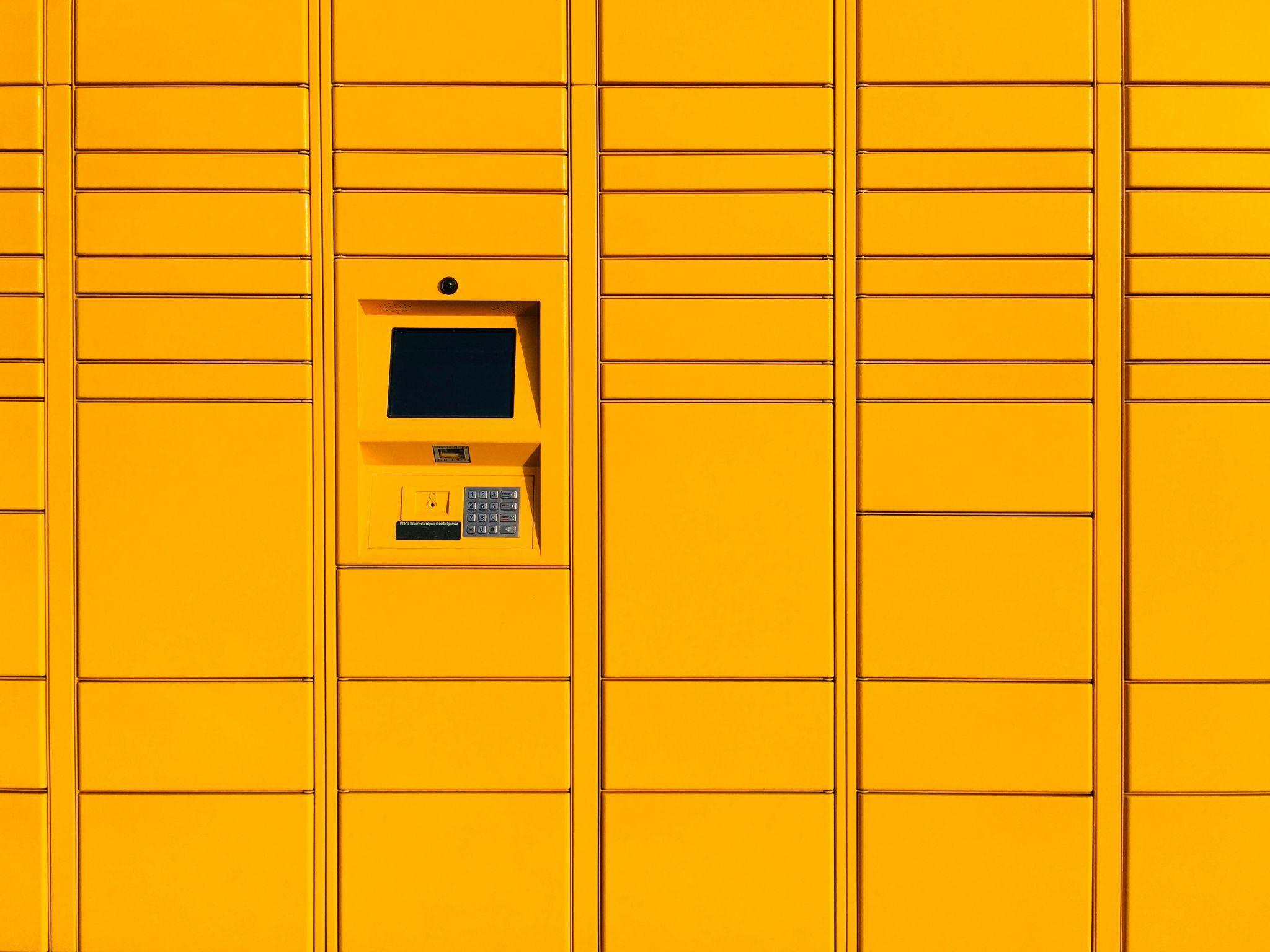
Think about how often you need to grab something on the go: a package, your work laptop or important documents. Now imagine having a secure, hassle-free way to access them anytime. That’s exactly what smart lockers are bringing to the table.
These digital lockers are revolutionising how we store and retrieve items, making life more convenient in workplaces, schools and public spaces. A standout innovation in this space is Compactus’ systems, which maximise storage in small areas while keeping everything tidy and easy to access.
The Rise of Smart Lockers in Different Industries
Smart lockers are popping up everywhere because they solve everyday problems. Retailers love them because they make click-and-collect super easy. Shoppers can grab their orders anytime without waiting in line.
Schools and universities use IoT lockers to store laptops and tablets, making it simple for students to access what they need without the hassle of tracking down staff.
In workplaces, businesses turn to locker technology to keep IT equipment safe while giving employees quick access to what they need.
The logistics and delivery industry is another key area where smart lockers are essential. With the rise of online shopping, package theft has become a significant problem.
Digital lockers are now placed in convenient locations like apartment buildings, train stations and shopping centres, allowing customers to securely pick up their deliveries anytime. This system reduces failed delivery attempts, improves courier efficiency and gives consumers peace of mind.
Even gyms and fitness centres are getting on board. More people use biometric lockers to securely store their belongings while working out. They don’t have to worry about losing keys or forgetting pass-codes—fingerprint access ensures only the locker owner can get in.
Key Technological Advancements in Locker Systems
Smart locker technology has come a long way, and it’s only getting better. Here are some of the most significant upgrades:
-
IoT Connectivity: These lockers can now be monitored remotely, so businesses can track usage, fix issues faster, and keep everything running smoothly. Facility managers can also control access remotely, allowing users to retrieve their items even when staff members aren’t on-site;
-
Biometric Access: Forget about losing keys or forgetting pass-codes—biometric lockers use fingerprints or facial recognition to ensure only the right people can get in. This level of security is handy in workplaces, medical facilities and high-security areas;
-
Compactus Shelving: When space is tight, Compactus systems step in. They move along tracks to create access aisles when needed, making them perfect for places like libraries, offices and archives. Businesses that need to maximise space without expanding their footprint are turning to these innovative storage solutions;
-
App Integration: Many smart lockers now have mobile apps that let users reserve lockers, get notifications when their items are ready for pickup and even unlock lockers using their smartphones. This adds a layer of convenience and security that traditional lockers don’t offer.
Future Trends: What’s Next for Smart Lockers?
The world of smart lockers is just starting, and the future looks even more exciting. Storage solutions are becoming smarter, faster, and more user-friendly as technology advances. So, what’s on the horizon for smart lockers? Let’s dive into some of the game-changing trends that are set to redefine the way we store and access our belongings.
-
AI-powered Lockers: Imagine lockers that learn from usage patterns and automatically adjust access times, predict peak hours, and even remind users to pick up their items. AI-driven smart locker trends are expected to make lockers more efficient and reduce downtime for maintenance;
-
Sustainability: As more companies go green, future locker technology will focus on using eco-friendly materials and energy-efficient designs. Solar-powered lockers and recyclable materials will become the norm in the industry;
-
Better User Experience: Developers are working on touchless access, voice-activated commands and mobile app integration to make lockers easier to use. This is particularly important in high-traffic areas like airports, shopping malls and office buildings;
-
More Industries Jumping In: Expect to see smart lockers in hospitals for secure medication storage, apartment buildings for package deliveries and even gyms for safe storage of personal items. Businesses are also starting to use automated lockers to distribute uniforms, tools and IT equipment to employees in large organisations;
-
Customisation Options: As more businesses and organisations adopt smart locker technology, manufacturers offer customisation options to suit different needs. The possibilities are expanding from temperature-controlled lockers for food storage to lockers with charging ports for electronic devices.
Smarter Storage for a Smoother Future
In the future, smart locker technology will only get brighter. AI will make them more intuitive, automation will reduce costs, and better security features will make them even safer. For businesses, smart lockers will be a game changer. They improve efficiency, save space and provide a seamless experience for customers and employees alike.
The combination of compactus mobile shelving, IoT connectivity, and biometric security is reshaping how businesses and individuals store their belongings.
As these innovations evolve, storage will become even more secure, efficient and user-friendly. With smart lockers, the future of storage is bright.
No matter the industry, smart locker trends are pointing towards a future where technology takes the hassle out of storage.
Advertisement / Sponsored Content — This content is a paid advertorial published in consideration of payment or other commercial benefit. The views, claims, statements, offers and representations are those of the advertiser and do not necessarily reflect the views of the publisher, which does not endorse or verify them. This material is provided for general promotional information only and does not constitute legal, financial, medical, investment or other professional advice; readers should make their own enquiries and seek professional advice before acting. Claims, testimonials and performance statements have not been independently verified unless stated. Offers and availability are subject to change and additional terms. This advertorial may contain links to third-party websites and the publisher may receive commissions or other benefits from reader engagement; the publisher is not responsible for third-party content or fulfilment. To the maximum extent permitted by Australian law, the publisher disclaims liability for reliance on this content, and nothing limits rights that cannot be excluded under the Australian Consumer Law. Where applicable, this advertorial is authorised by the advertiser and does not constitute independent editorial content.