zzSPECIALPOSTzz
Bringing Designs to Life – The Art of Laser Engraving
Advertisement / Sponsored Content
This content is paid advertising and has been prepared in collaboration with the advertiser.
This post remains active as a legacy issue and is being phased out from January 2026.
Tasmanian Times no longer accepts requests for paid content or advertorials.

Introduction
Laser engraving has become a powerful tool for creators, businesses and manufacturers alike. Whether it’s for personalised gifts, intricate art pieces or industrial applications, laser engraving transforms designs into reality with unparalleled precision. In this blog, we will explore how laser engraving works, its benefits, creative possibilities and how it is reshaping industries. By the end, you’ll understand why this technology is an essential part of modern craftsmanship.
What is Laser Engraving?
Laser engraving is a precise and efficient method of etching designs onto various materials using a focused laser beam. The laser heats the material’s surface to vaporise or melt away small portions, creating a permanent mark or pattern.
History: Laser engraving emerged in the 1960s, driven by advancements in laser technology. Originally used for industrial marking, it has evolved over time, becoming accessible for artists and small businesses.
Types of Lasers Used: The most common types of lasers in engraving are CO2 laser and fibre laser. CO2 lasers are versatile, working well with organic materials like wood and acrylic, while fibre lasers are better suited for metals and harder materials.
How Laser Engraving Works
Laser engraving relies on the precise movement of the laser over the material’s surface. Here’s how it works:
- Laser Beam and Material Interaction: The laser beam is directed at the surface, where it heats the material to a point where part of it vaporises, leaving an etched design. The depth of the engraving can be controlled by adjusting the power of the laser.
- Precision and Detail: The laser’s small spot size allows for incredible detail. Artists and manufacturers alike can achieve highly intricate designs that would be difficult to replicate by hand.
- Common Tools and Software: Laser engraving machines are often paired with design software like Adobe Illustrator or AutoCAD. These programs allow users to create and edit vector designs, which are then translated into machine instructions.
The Benefits of Laser Engraving
Laser engraving offers numerous advantages that make it a go-to choice for various industries:
- High Precision: Laser engraving delivers unparalleled accuracy, allowing even the smallest designs to be engraved with extreme detail.
- Versatility: Laser engraving machines can work with a wide variety of materials, including wood, glass, metal, acrylic and stone. This versatility makes it an ideal choice for both creative and industrial applications.
- Customisation: One of the standout features of laser engraving is its ability to customise objects. Whether it’s engraving a personal message on a gift or creating one-of-a-kind artwork, laser engraving offers endless possibilities for personification
- Speed and Efficiency: Laser engraving is faster than traditional methods like hand carving or etching. The machines work with high efficiency, making them perfect for both small-scale and mass production.
If you’re looking to get into laser engraving, OMTech offers a range of laser machines that cater to both hobbyists and professionals. Their machines, such as the OMTech 40W CO2 laser engraver, are known for their precision, ease of use and affordability. OMTech provides solid options that can handle everything from intricate design work to larger industrial engravings. Whether you’re engraving wood for a craft project or customising metal tools for industrial purposes, a high-quality laser engraving machine offer great value and consistency.
Creative Possibilities with Laser Engraving
Laser engraving opens up a world of creative possibilities. Artists, designers, and even DIY enthusiasts can use this technology to bring their ideas to life in unique ways.
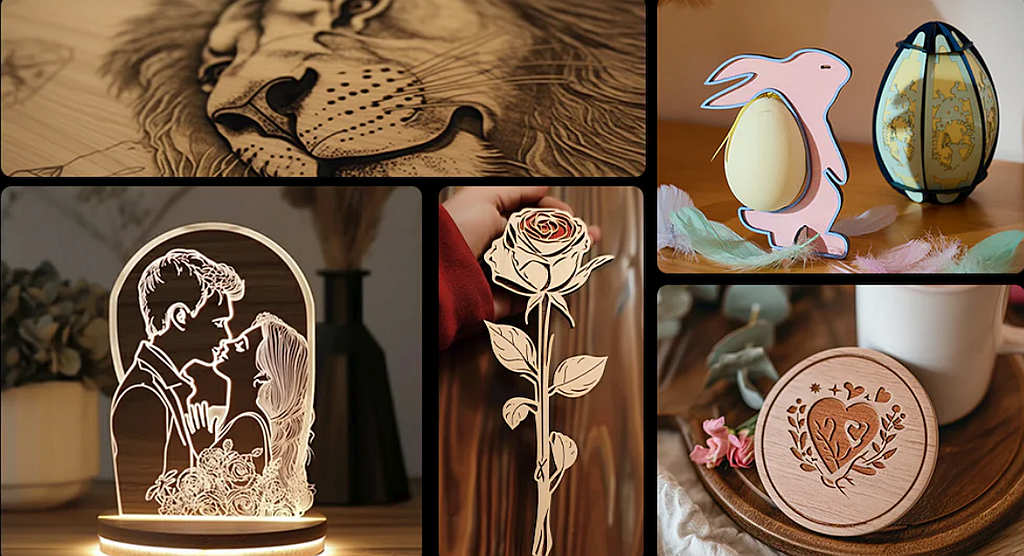
- Art and Design: Many artists are incorporating laser engraving into their work, using it to add textures and patterns to wood, metal and other materials. The precision of the laser allows artists to push the boundaries of their creativity.
- Product Personification: Laser engraving is perfect for adding a personal touch to products. From custom-made jewellery to engraved glassware and personalised wooden gifts, laser engraving makes each item one-of-a-kind.
- Industrial Uses: In manufacturing, laser engraving is used to mark parts, logos and serial numbers. Its precision and permanence ensure that designs remain intact even through heavy use or wear.
Industries That Benefit from Laser Engraving
Laser engraving is a game-changer across various industries:
- Crafts and Home Décor: Custom signs, photo frames, and personalised items are just a few examples of how laser engraving is used in the craft and home décor sectors.
- Jewellery and Fashion: Jewellers often use laser engraving to add intricate designs to rings, necklaces and bracelets. This technology allows for the creation of tiny, detailed engravings, such as names or logos.
- Business and Branding: Companies are increasingly using laser engraving for creating branded promotional products, trophies and corporate gifts. It’s a great way to add a professional, high-quality finish to items.
- Manufacturing and Aerospace: Laser engraving helps with part identification, serial number marking and even creating tool and equipment identifiers in industries like automotive and aerospace.
Challenges and Limitations of Laser Engraving
Despite its many benefits, laser engraving does have a few limitations:
- Material Limitations: Not all materials are suitable for laser engraving. For instance, certain plastics may release toxic fumes, and some metals may require more powerful lasers.
- Size Restrictions: The size of the work-piece can be limited by the size of the engraving machine. For larger items, you may need to break them down into smaller parts or find larger machines.
- Initial Setup Costs: While laser engraving is cost-effective in the long run, purchasing the necessary equipment can be an upfront investment.
- Skill and Knowledge: To get the best results from a laser engraver, operators need to have some understanding of design software and how laser settings affect different materials.
Future of Laser Engraving
Laser engraving technology is constantly evolving. Some exciting developments on the horizon include:
- Advancements in Technology: We can expect faster machines with more powerful lasers, as well as increased precision for even finer details.
- Automation and AI: As artificial intelligence is integrated into laser engraving processes, we may see more automation in design creation and machine operation, leading to faster production times.
- Sustainability: With growing awareness of environmental issues, the future may see a shift toward more sustainable materials and eco-friendly practices in the laser engraving industry.
Conclusion
Laser engraving is an exciting and versatile tool that can breathe life into your designs with exceptional precision and creativity. Whether you’re an artist looking to add intricate details to your work, a business aiming to personalise products or a manufacturer marking components, laser engraving is a game-changer. With the right machine, such as those offered by OMTech, you can start engraving with ease and efficiency, unlocking endless possibilities.
Advertisement / Sponsored Content — This content is a paid advertorial published in consideration of payment or other commercial benefit. The views, claims, statements, offers and representations are those of the advertiser and do not necessarily reflect the views of the publisher, which does not endorse or verify them. This material is provided for general promotional information only and does not constitute legal, financial, medical, investment or other professional advice; readers should make their own enquiries and seek professional advice before acting. Claims, testimonials and performance statements have not been independently verified unless stated. Offers and availability are subject to change and additional terms. This advertorial may contain links to third-party websites and the publisher may receive commissions or other benefits from reader engagement; the publisher is not responsible for third-party content or fulfilment. To the maximum extent permitted by Australian law, the publisher disclaims liability for reliance on this content, and nothing limits rights that cannot be excluded under the Australian Consumer Law. Where applicable, this advertorial is authorised by the advertiser and does not constitute independent editorial content.