
Advertisement / Sponsored Content
This content is paid advertising and has been prepared in collaboration with the advertiser.
This post remains active as a legacy issue and is being phased out from January 2026.
Tasmanian Times no longer accepts requests for paid content or advertorials.
Humid times ahead
The season’s forecast is in: Tasmanians will have to gear up for a warmer spring season. With above average rainfall set for the next few months, this spring is looking to be one of the warmest and wettest seasons in Tasmania’s history. Sadly, the otherwise consistently temperate climate means that the majority of Tasmanian homes aren’t actually equipped to deal with more humid conditions.
The following guide will outline low-cost methods for helping you and your family keep your homes cool and comfortable (and dry) during the season. Here, we’ll list all the potential life- and money-saving tips to help you cruise through this coming spring season.
Easy breezy tips
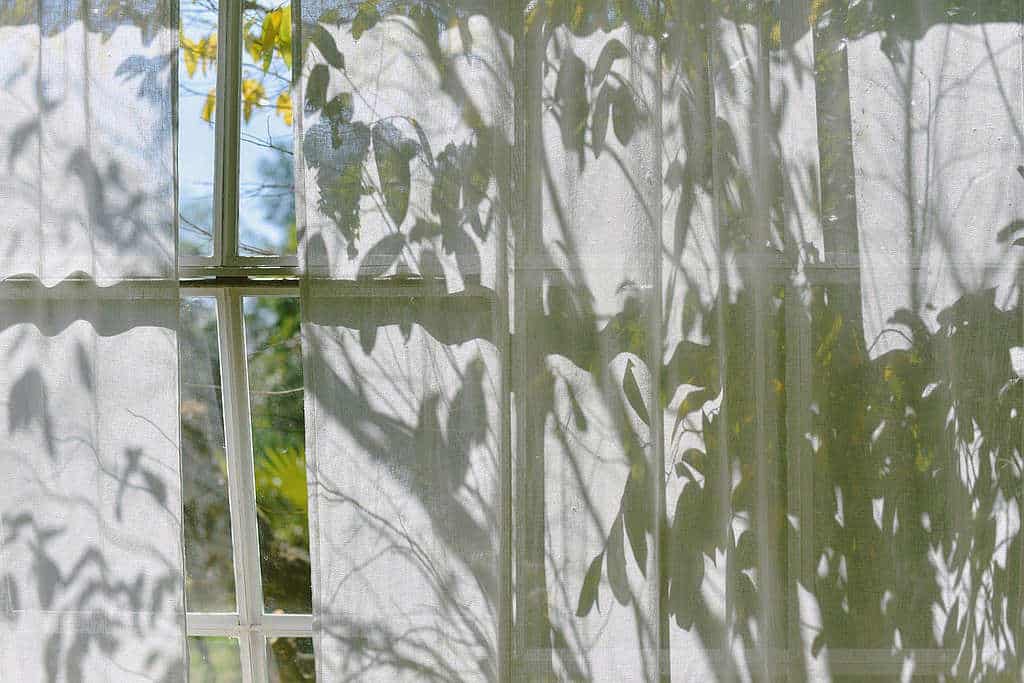
Perhaps one of the most important ways to keep your home cool and dry is by improving your property’s natural ventilation and airflow. Here, opening windows and doors on opposite sides of a room to produce cross-ventilation is a great way to keep your space fresh and cool. Remember you want to welcome in the air, but keep out the sun, so investing in a good reliable set of curtains made from a lightweight material is essential. For instance, a good set of affordable sheer curtains can help support air flow whilst still providing some privacy. Not to mention, investing in warm weather window coverings that facilitate a controlled breeze is an easy and cost-effective way to allow nature to take care of cooling your home and allowing you to avoid the heat.
If the wind that blows through your opened doors or windows needs a little boost however, pedestal fans or ceiling fans are a great alternative to using air conditioning. These can help to push the air through a space and keep the temperature regulated. If your property already has a ceiling fan, be sure to check the settings so that the hot air is being pulled up and the cool air pushed down.
Awnings and cleared roof gutters
Preventing water damage is key when it comes to ensuring your Tasmanian home survives heavy spring rain. When the days are likely to be hot and muggy, not even a drop of water should penetrate through your fortress as it will surely take a century for it to be dry. This is where investing in the health of your property’s roof is guaranteed to pay great dividends this spring season.
It’s easy to be in awe of the simple yet effective invention that is the humble roof awning. Installing an awning over your open doorways can allow you to keep the passage open for breeze, but safe from the rain. Just make sure the run off water is directed towards an unblocked drainage system or towards your garden. Sometimes this step requires some trouble shooting as water can be very unpredictable. We recommend ensuring your awning is taut to prevent creating a small pool which could be a breeding grounds for mosquitoes.
Similarly, you’ll want to make sure that you clear out your roof gutters before the spring rains begin. In severe weather forecasts, storms can bring not only heavy rain but plenty of debris like tree branches and leaves, which can rapidly clog your roof gutters. Clogged gutters can result in water pooling on your roof, and prolonged waterlogging on your roof can naturally result in water leaking through to your roof cavity and then even through your ceiling. This water damage can all be prevented, however, by making sure rainwater can flow freely through clear gutters and downpipes.
Don’t dampen it down
Whilst keeping cool, calm, and collected in the face of this heat wave, there is another aspect which is just as important. Your house should be adequately prepared for these changing conditions as neglecting to do so could lead to extensive water damage to your property this spring season, with lingering mould and mildew. Simply put, moisture control is the key to managing humid conditions. There is no way to avoid it – when it is hot and wet there is going to be an increase of water in the air.
Thankfully, there are plenty of low-cost methods for combating humidity levels infiltrating our home’s interiors. One of the more natural ways of regulating humidity is to use nature’s helping hands. Keeping houseplants can be more than just an interesting hobby as many plants can actually assist in keeping your home cool during a heat wave. Ferns are our personal recommendation due to their variety and low-maintenance as well as their moisture soaking capabilities.
In addition to nature’s moisture suckers, investing in a dehumidifier can also be useful to keep spaces from getting damp and dank. This is a good alternative to houseplants, especially if you happen to have overzealous pets who are fond of munching on things they really shouldn’t.
Passive cooling strategies
Alongside investing in house plants to naturally regulate your home’s interior temperature and humidity levels, there are other passive cooling strategies that can aid in keeping your Tassie home cool over this warmer and wetter spring season. Considering design elements like the natural heat retention of your roof materials can aid in reducing heat gain for your property.
Other passive design considerations you may need to take into account include:
- Solar orientation – in Australia, north-facing windows receive greater solar exposure and direct sunlight than south-facing windows. Keeping blinds or curtains drawn on north-facing windows during hot days, can reduce heat transfer through the glass, keeping your interior temperatures nice and low.
- Thermal mass – whilst good thermal mass can help heat your home naturally during colder winter months, this design feature can become detrimental during warmer weather. Covering thermal mass with shade (i.e. reflective tarpaulins or other solutions) can reduce heat gain during spring and summer weather.
- Landscape design – natural shade can reduce solar exposure of your property as well as provide a nice breeze that organically combats humidity. Planting shading trees in front of north-facing windows or even just around north-facing walls on your property, can aid in reducing heat gain on a budget.
Cool for the spring
No matter where you are, using these tips during wet and wild times can help you keep your head above water, and cool under pressure. From creating a greenhouse on a budget, to utilising affordable window coverings, we’ve got you covered like a trusty raincoat.
One of the most important ways to ensure you can survive and thrive in these conditions is being prepared for every possibility. With a proactive plan on how to control the moisture and humidity, and a well-protected and ventilated space, keeping cool and dry on a budget will be a breeze.
Advertisement / Sponsored Content — This content is a paid advertorial published in consideration of payment or other commercial benefit. The views, claims, statements, offers and representations are those of the advertiser and do not necessarily reflect the views of the publisher, which does not endorse or verify them. This material is provided for general promotional information only and does not constitute legal, financial, medical, investment or other professional advice; readers should make their own enquiries and seek professional advice before acting. Claims, testimonials and performance statements have not been independently verified unless stated. Offers and availability are subject to change and additional terms. This advertorial may contain links to third-party websites and the publisher may receive commissions or other benefits from reader engagement; the publisher is not responsible for third-party content or fulfilment. To the maximum extent permitted by Australian law, the publisher disclaims liability for reliance on this content, and nothing limits rights that cannot be excluded under the Australian Consumer Law. Where applicable, this advertorial is authorised by the advertiser and does not constitute independent editorial content.