
Media release – UTAS, 2 August 2024
Three University of Tasmania researchers awarded over $3.4 million in ARC Future Fellowships
University of Tasmania academics from a diversity of disciplines have been named Future Fellows by the Australian Research Council (ARC). The three researchers secured more than $3.4 million in funding for projects covering submarine volcanoes, exploring beneath Antarctic ice, and innovative Tasmanian devil vaccines.
This funding initiative is designed to support mid-career researchers engaged in groundbreaking work across various fields, underscoring the ARC’s commitment to advancing research excellence.
“The breadth of topics that will be investigated in this round of the Future Fellowships scheme is a reflection of the ARC’s commitment to supporting outstanding mid-career researchers to undertake high-quality research for the benefit of all Australians,” said ARC Acting Chief Executive Officer Dr Richard Johnson.
The University of Tasmania’s awardees exemplify this role in driving critical research and fostering innovation. The awarded projects are set to address significant challenges and generate valuable new knowledge across diverse sectors.
Under the 2024 ARC Future Fellowship scheme, 100 Future Fellows across Australia will share in more than $106.7 million in grants.
University of Tasmania successful applicants are:
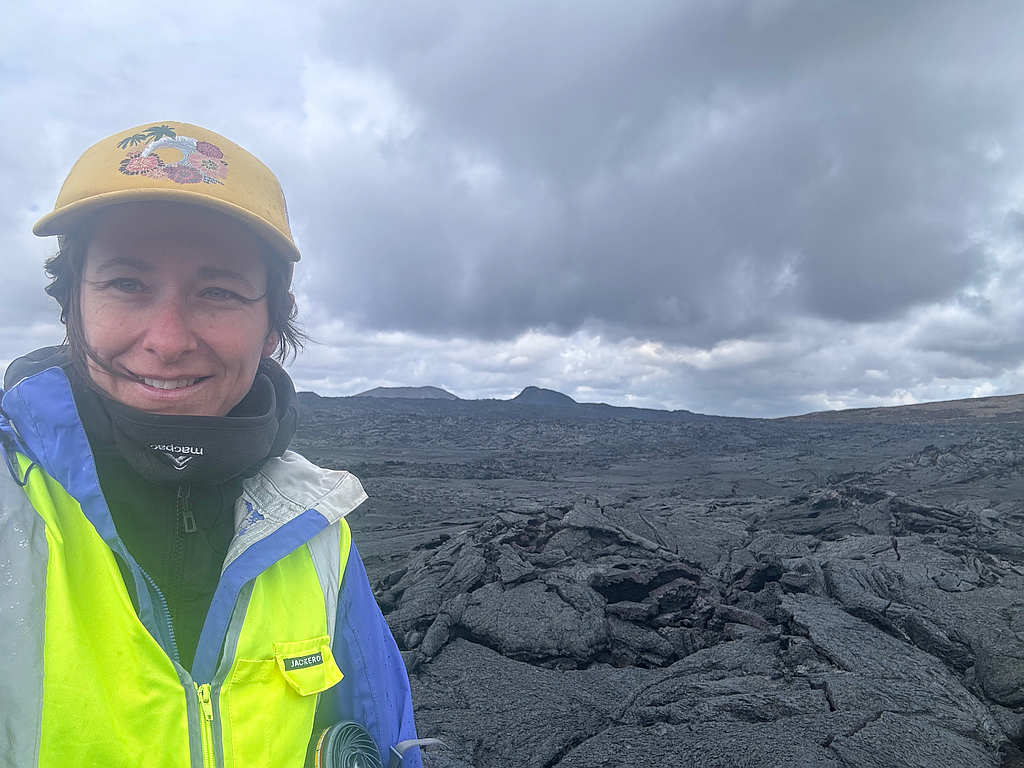
Associate Professor Rebecca Carey has been awarded $1,174,308 for her project, Decoding Risks and Unlocking Rewards of Oceanic Volcanism. This research will investigate submarine volcanoes, which pose both natural hazards and potential for valuable metal deposits. The study aims to improve understanding of volcanic hazards and refine exploration models for critical metals, enhancing disaster resilience and supporting sustainable energy infrastructure.
“This Future Fellowship is important to me because it contributes to the resilience of our Pacific Island nations from the threat of volcanic eruptions, tsunamis and sea level rise, and will contribute to moving our nation towards a sustainable energy future,” Associate Professor Carey said.
“It will allow me to learn new fields of Earth Science, collaborate and work with a diverse set of new collaborators in academia and government to achieve the Future Fellowship research goals.”
Professor Joanne Whittaker has secured $1,209,912 for her study, What Lies Beneath: How the Deep Mantle Influences the Antarctic Surface.
“This is an exciting opportunity for our team to dedicate time to an important research question – how have deep Earth movements changed ancient land heights beneath the Antarctic ice sheet over the past 40 million years,” Professor Whittaker said.
“Understanding this will help refine climate models and improve predictions about future ice sheet behaviour and sea level rise.”
Dr Andrew Flies has been awarded $1,065,744 for his project, Be Prepared: Rapid Diagnostics and Field-Ready Vaccines for Wildlife. This research addresses wildlife disease, focusing on developing rapid diagnostic tests and vaccines for transmissible cancers affecting Tasmanian devils. The project also aims to enhance conservation efforts by developing new tools to understand and prevent disease in other native species.
“Vaccines are among the most effective tools for managing human and domestic animal health, but few vaccines are available for wildlife. This project will translate biomedical technology into applied conservation tools to protect Australia’s iconic marsupials,” Dr Flies said.
“The Wild Immunology team at the Menzies Institute for Medical Research will work closely with the Bonorong Wildlife Hospital and Rescue Line to bring solutions to the field to help protect and conserve Tasmania’s amazing wildlife. This research is only possible due to the strong support of the Tasmanian community.”
These fellowships reflect the University’s vital role in advancing important research. For further details on the 2024 Future Fellowship funding outcomes, visit arc.gov.au.