zzSPECIALPOSTzz
5 Reasons Why Pharmaceutical Databases Matter
Pharma databases speed up innovation and results, strengthen safety checks, and customize treatments – helping to get better medicines to patients faster.

Advertisement / Sponsored Content
This content is paid advertising and has been prepared in collaboration with the advertiser.
This post remains active as a legacy issue and is being phased out from January 2026.
Tasmanian Times no longer accepts requests for paid content or advertorials.
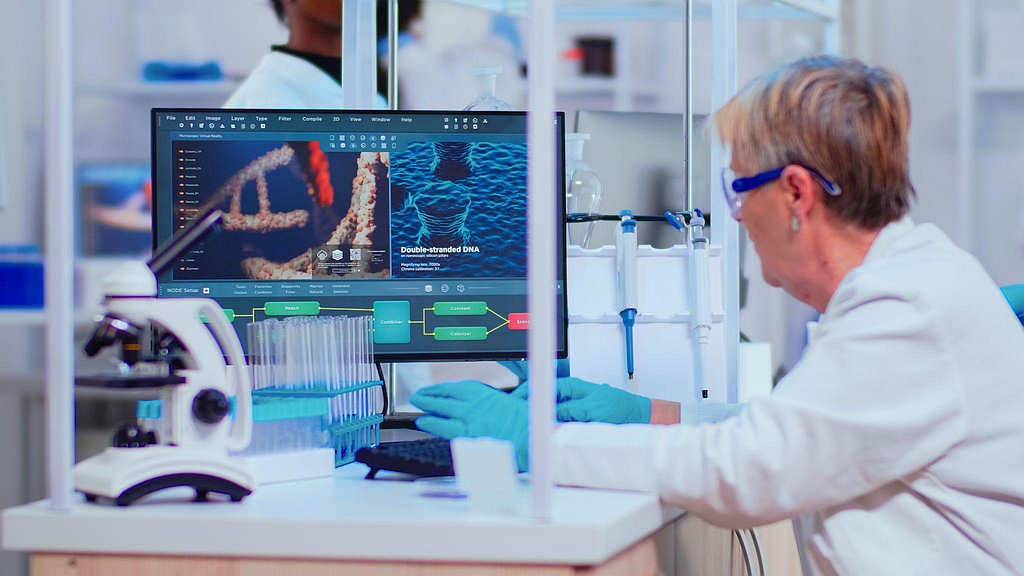

Every big new drug results from years of studies saved in large pharma databases. These stashes of chemical, medical, and trial data help speed up the process of making new medicines.
They also boost checking drug safety over time. However, general people often overlook the importance of pharmaceutical databases.
In this post, we’ll explore what pharmaceutical databases are, why they matter so much, and how they benefit people everywhere.
What Are Pharmaceutical Databases?
Pharma databases collect all kinds of digital details about current or test drugs. This includes:
- The chemical building blocks making up the drugs
- How well they work against disease proteins or pathways
- What happens to the drug in the body
- Results of animal or human testing
- Information on ingredients, side effects, or toxicity
- Approval status, directions for use
- Patent protections granting market exclusivity
Researchers access these structured aggregations of compounds, targets, trials, and outcomes to identify patterns that steer decision-making across pharmaceutical pipelines.
However, while these specialty pharmaceutical data repositories offer immense value, only some databases contain every dataset.
Instead, unique mini-databases focus on certain drug parts most helpful for that phase:
- Drug discovery: Early-stage research is focused on identifying initial chemical hits to pursue as leads or optimizing potency against biological targets. Examples include BindingDB aggregating measured protein and small-molecule interactions or ChEMBL containing abstracted medicinal chemistry literature data to avoid duplication.
- Preclinical optimization: Following promising leads, databases such as PubChem help select substances that balance potency, bioavailability, stability, solubility, and toxicity for viability testing in model organisms.
- Clinical development: Resources, including ClinicalTrials.gov, enable sponsors to locate active or completed studies measuring safety and efficacy responses in human volunteers necessary for regulatory submissions.
- Post-market surveillance: After approval for sale, databases like the FDA Adverse Event Reporting System (FAERS) continue monitoring drug reactions, especially those that are longer-term or within broader populations.
Tapping these stores guides daily drug-building choices. The field relies entirely on these libraries!
Why Are Pharmaceutical Databases Important?
It’s no exaggeration to say pharmaceutical databases help save and improve many lives.
Here’s why they’re invaluable:
1. Accelerating Innovation
Making a new drug will take 10-15 years from the first research to the launch. Databases trim time by preventing duplicate work through sharing data.
For example, researchers check past studies after an early lead looks promising instead of doing almost the same test.
This quickly drives initial progress by building on past wins and losses.
Skipping repeated trials using old advances dramatically speeds up the risky first steps.
Rooting deeply in previous lessons exponentially increases the odds of developing higher-quality, truly new medicines.
2. Improving Success Rates
Though huge investments are made, about 90% of new drug tests in people still fail to get approved.
However, focused facts from curated databases help companies better judge early compounds.
This strengthens their chances by guiding design using past performances. Failures badly hurt companies and sadly delay patients’ access to new therapies.
Databases motivate more data-based choices to prevent wasted testing down blind alleys or flawed ideas. Research driven by real probabilities from databases gains much higher success.
3. Lowering Costs
Experts guess each approved new drug now costs between less than $1 billion and more than $2 billion! Databases offer huge savings by cutting wasted tests and speeding up trials.
Speedier success also lets companies make sales money back quicker after launch. Doing so recovers huge research expenses earlier, lowering costs for patients.
4. Enhancing Safety
Even after approval, safety checks remain ongoing. Rare side issues might appear only in large, real-world groups over the years, unseen in smaller studies.
Post-approval databases like FAERS allow steady tracking by combining reactions from different places over time—pattern spotting flags possible problems needing more checking to optimize safe use guidelines.
In the end, this shields patients by helping doctors pick treatments, balancing the best results with the least risks according to the newest pooled learnings.
5. Advancing Precision Medicine
New, closely targeted, personalized treatment methods – called “precision medicine” – show big future promise.
Here, databases prove priceless by linking different clues – like genes, molecules, and environments – to guess the best outcomes.
As their buckets of data grow, machine learning can model tailored care customized to narrow patient slices by blending biomarkers with results.
So databases represent the lifeblood, fully enabling precision approaches to match specific people to optimal drugs while avoiding side effects from improper prescriptions.
Examples & Impact
Here are just a few impactful pharmaceutical databases driving progress:
|
Name |
Description |
|
ClinicalTrials.gov |
Registry of >400,000 clinical trials globally |
|
DailyMed |
Official FDA labels for approved drugs |
|
DrugBank |
Blends chemical, pharmacological & pharmaceutical data |
|
GenBank |
Genetic sequences for 260,000+ prescription medicines |
|
FAERS |
FDA database monitoring adverse events |
Accelerating COVID-19 Therapies
Pharmaceutical databases proved invaluable against COVID-19 by fast-tracking treatments.
The COVID-19 Therapeutics Accelerator screened published datasets of chemical compounds and drug targets to identify 57 high-potential therapies. Partners then optimized top candidates, coordinating global clinical trials.
Pfizer’s Paxlovid antiviral ultimately leveraged these coordinated efforts to secure emergency approval in record time. This dramatically cut hospitalizations and saved many lives.
Powerful examples like this demonstrate databases’ vital role in coordinating stakeholders to conquer disease faster through data sharing.
FAQ
Let’s answer some common questions surrounding this topic:
Who Funds Pharmaceutical Database Creation & Curation?
Funding flows from both public and private sources. Governments support some non-profit efforts that are generally open access, like GenBank.
Other datasets operate via paid subscriber models financed by pharmaceutical firms to inform internal decision-making.
What Technologies Power Pharmaceutical Databases?
Structuring massive datasets relies on state-of-the-art information architectures. Cloud computing enables storage with on-demand scalability.
Carefully designed ontologies standardize terminology. Robust query engines deliver real-time insights.
How Can Pharmaceutical Professionals Access Databases?
Access options depend upon specific databases but generally include free public portals, paid licenses providing additional enhanced tools or custom queries, and submission-based models for depositing proprietary data.
Looking Ahead
While pharma databases already bring huge value, accelerating progress and safety, new technologies offer even brighter tomorrows.
New research into AI and machine learning tools can uncover deeper insights from growing data piles. Cloud systems provide endless storage and computing power for next-level analysis, and adding real-world information improves decisions.
Well-kept databases can revolutionize medicine through teamwork and sharing data. With urgent threats like antibiotic resistance impending, their joint potential could prove more vital than ever in protecting public health.
So, although these behind-the-scenes databases go unnoticed, their impacts resonate widely to touch all lives everywhere through superior, safer medicines that reach patients faster.
Their critical importance should never be dismissed or overlooked.
Advertisement / Sponsored Content — This content is a paid advertorial published in consideration of payment or other commercial benefit. The views, claims, statements, offers and representations are those of the advertiser and do not necessarily reflect the views of the publisher, which does not endorse or verify them. This material is provided for general promotional information only and does not constitute legal, financial, medical, investment or other professional advice; readers should make their own enquiries and seek professional advice before acting. Claims, testimonials and performance statements have not been independently verified unless stated. Offers and availability are subject to change and additional terms. This advertorial may contain links to third-party websites and the publisher may receive commissions or other benefits from reader engagement; the publisher is not responsible for third-party content or fulfilment. To the maximum extent permitted by Australian law, the publisher disclaims liability for reliance on this content, and nothing limits rights that cannot be excluded under the Australian Consumer Law. Where applicable, this advertorial is authorised by the advertiser and does not constitute independent editorial content.