
Advertisement / Sponsored Content
This content is paid advertising and has been prepared in collaboration with the advertiser.
This post remains active as a legacy issue and is being phased out from January 2026.
Tasmanian Times no longer accepts requests for paid content or advertorials.
If you have a small garden place but want to nurture a safe and blooming place for your favorite botanicals, companion planting is the best choice for you. As an alternative to monoculture, it is the oldest way of increasing the productivity of crops in a limited space. In companion planting, different kinds of crops are grown together that get certain benefits from each other and thrive better than growing a single kind of plant. Citygarden.org.uk professionals emphasize going for companion planting in your home gardens. Let’s look at the powers of companion planting in this blog post for growing a lush garden.
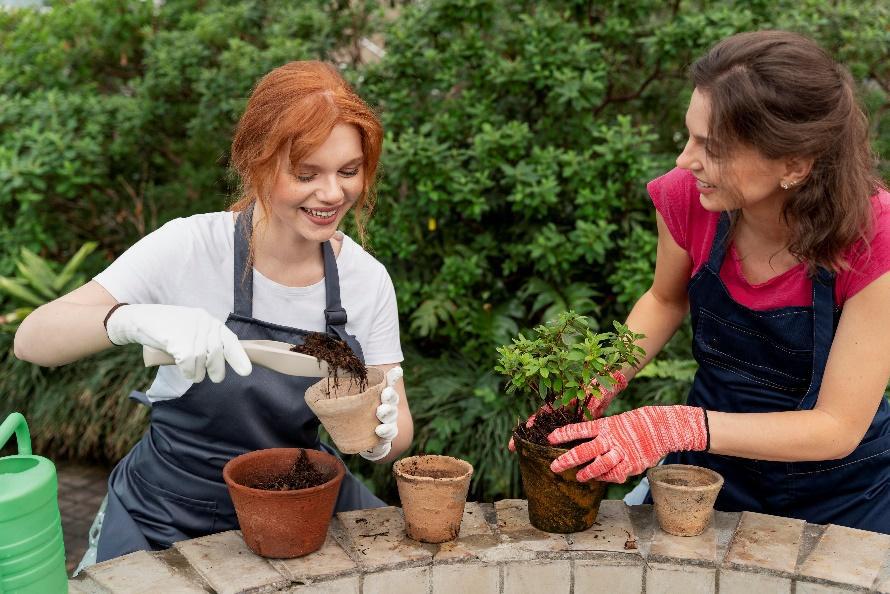
Benefits of Companion Planting
From increasing the productivity of the crops to creating a shield between the plants and their potential diseases, companion planting does a lot. Here are the magics that you can bring to your garden by adopting this simple yet useful practice.
-
Mimics the Natural Ecosystem
Have you ever been to a wild forest? You would have seen that there are different kinds of botanicals growing in between each other rather than a vast field of the same plant. The reason is that such mixed planting thrives well in the ecosystem with both hidden and some known advantages that are discussed next. You can also create a thriving garden by companion planting in your home garden that will mimic the natural ecosystem and grow well.
-
Maximise the Garden Area
Companion planting is the best way to maximise the limited garden space and fill it with different kinds of plants. For example, you can plant a vine under a tree and then coil it around that tree’s trunk rather than using separate supports. In this way, you get maximum usage of that area. Moreover, you can tuck in some fast-growing plants like green onion in between the annual plants. So, the surface is always occupied with some fresh produce.
-
Hold the Soil Structure
The roots on the plants tightly hold the soil in place and prevent soil erosion and the risks of natural disasters washing away the nutrients from the soil. Moreover, plants are always shading the soil which decreases the evaporation and protects the soil from drying out. Hence, companion planting is the best way of maintaining the soil structure facilitating the healthy and quick growth of your crops.
-
Limits the Weed Growth
Weeds grow in the garden where they find sufficient soil and moisture to occupy and grow. When we go for companion planting, we make the entire land covered with plants. Thus, weeds do not even grow out of the ground. Moreover, the shaded soil does not provide the necessary sunlight for the weeds to grow. Therefore, companion planting is the best way of keeping the weeds out of your garden.
-
Keep Away the Plant Diseases
Just like humans in which contagious diseases spread quickly, fungal and bacterial diseases in plants spread quickly among the plants if all the susceptible plants are grown together. However, this is not going to happen in companion planting where different kinds of plants go well with each other to break the potential of the disease and save the plants.
-
Barrier Against the Pests
Pests are always attracted to certain types of plants from Mexican bean beetles to bean plants and so on. Similarly, they dread many other plants too. So, you can plant different kinds of plants to deter them away according to the pest issue you frequently face in your garden. In this way, companion planting acts as a barrier between your plants and pests and keeps them safe and growing.
-
Welcome Wildlife
When we are growing multiple varieties of crops together, we create a welcoming place for wildlife by attracting them with a variety of food to feed on. Not only is biodiversity maintained in your ecosystem by companion gardening but natural pollinators also help in the reproduction of the plants and create a sustainable garden area.
Final Words
In conclusion, companion planting is a great way to increase the productivity of the crops, protect the vegetation against disease and pest attacks, and assist in the creation of a sustainable environment for the healthy growth of your plants. In all the ways, it creates an environment that mimics the natural ecosystem and helps the plants to bloom to their fullest. If you need help with companion gardening, get help from the handy gardeners and enjoy the eternal benefits of companion gardening.
Advertisement / Sponsored Content — This content is a paid advertorial published in consideration of payment or other commercial benefit. The views, claims, statements, offers and representations are those of the advertiser and do not necessarily reflect the views of the publisher, which does not endorse or verify them. This material is provided for general promotional information only and does not constitute legal, financial, medical, investment or other professional advice; readers should make their own enquiries and seek professional advice before acting. Claims, testimonials and performance statements have not been independently verified unless stated. Offers and availability are subject to change and additional terms. This advertorial may contain links to third-party websites and the publisher may receive commissions or other benefits from reader engagement; the publisher is not responsible for third-party content or fulfilment. To the maximum extent permitted by Australian law, the publisher disclaims liability for reliance on this content, and nothing limits rights that cannot be excluded under the Australian Consumer Law. Where applicable, this advertorial is authorised by the advertiser and does not constitute independent editorial content.