
Advertisement / Sponsored Content
This content is paid advertising and has been prepared in collaboration with the advertiser.
This post remains active as a legacy issue and is being phased out from January 2026.
Tasmanian Times no longer accepts requests for paid content or advertorials.
In today’s world, energy efficiency is more important than ever. Energy costs in houses are exacerbated and contribute to pollution since energy use increases carbon emissions. Knowing how much energy individuals use and how much they can save by installing energy-efficient gadgets may benefit our homes and other locations.
The article’s emphasis on many facets of domestic electricity usage and possible ways to control it more cheaply and efficiently is highly relevant.
Click to learn more about British gas prices.
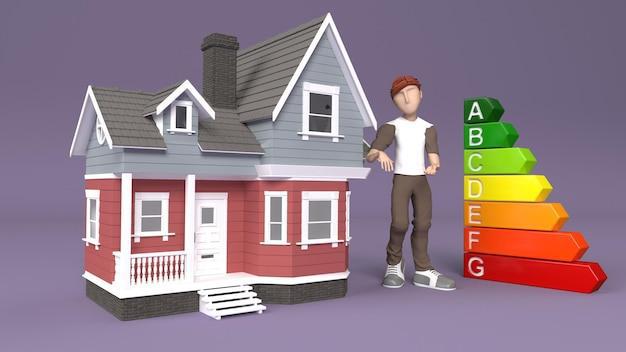
Understanding Household Energy Consumption
In short, household energy usage is the total electricity used by all home equipment, including heating systems and appliances. Kilowatt-hours (kWh) are a popular unit of measurement used to express the quantity of energy utilized over time. Depending on the size of the building, the number of occupants, and the locality, the average household in the United States, for instance, uses around 10,649 kWh annually.
Factors Affecting Energy Consumption
Various factors influence household average electricity usage:
House Size and Insulation
Larger homes with larger living areas require more heating and cooling than smaller ones. This has to be reduced; adequate insulation may guarantee that this resource is used as little as possible.
Number of Occupants
Due to the usage of appliances and power, larger homes will need to consume more energy than smaller ones.
Type and Efficiency of Appliances
The amount of energy an appliance consumes increases with age. Several innovative items, including energy-saving products like tumble dryers, refrigerators, freezers, and contemporary washing machines, are currently available in the market.
Climate
It has been discovered that homes in colder climates use more energy to heat than those in warmer climates, which need more energy to cool.
Major Contributors to Energy Consumption
Heating and Cooling
Heating and cooling systems consume around 40% of the total energy consumed in a home during 48 hours. This consumption can be reduced by using programmable thermostats and performing other necessary maintenance for program execution.
Household Appliances
Businesses that make major consumer goods appliances, such as tumble dryers, fridge freezers, and washing machines, are among those evaluated. Making the most of them—for example, by conducting a thorough wash in the washing machine and letting our clothes air dry—will help us use the least energy possible.
Electronic Devices
It is also well known that household equipment like computers, TVs, and game consoles utilize power. People who leave equipment like freezers and refrigerators on standby mode instead of turning them off completely wind up with higher energy bills.
Lighting
Since natural light and LED bulbs are energy-efficient options, these may be used to attain this goal whenever practical.
Energy Control: Measuring and Control
To understand how much energy is consumed within the home may be determined by your electricity bill, which typically shows the amount utilized over a given period, such as a month. Some energy providers offer online tracking or smart meter programs to facilitate more thorough monitoring of average power consumption.
This is significant because it helps you identify the typical power users in your house or place of business and puts you in a position to identify any patterns in power usage.
Energy-Saving Initiatives and Measures
Energy conservation is essential for cutting electricity bills and lowering carbon emissions. Here are a few successful tactics:
Switch to Energy-Efficient Appliances
Using energy-efficient equipment has positive long-term financial rewards. Purchasing energy-efficient equipment in this situation can help you save money. Energy Star-certified appliances are meant to consume less energy while maintaining the same level of performance as regular appliances; thus, it is best to look for these when making new appliance purchases.
Improve Home Insulation
Because insulation maintains the proper temperature, it also reduces the need for intense heating and cooling. This is especially true for walls, roofs, and floors. This lowers energy expenses while also raising overall comfort levels.
Utilize Smart Thermostats
By detecting when you are most likely inside and outside, smart thermostats can learn your pattern and save energy waste, mainly while you are not there. It is easy to handle since you can manipulate it without being physically on it.
Implement Energy-Saving Habits
These include turning off lights when not in use and removing electrical cables from unused gadgets. Given the low electricity consumption, washing machines and dishwashers should be filled.
Sources of Renewable Energy
Installing solar panels is one way to use some natural energy sources. Even with high expenses, especially initially, the long-term implementation costs and environmental advantages offset the initial gap.
The Role of Energy Suppliers
Energy providers’ active role in energy efficiency is significant. Energy-efficient technologies are crucial for the industry. Suppliers can encourage homes to use less energy by giving various incentives, such as discounts on energy-efficient equipment purchases or reduced rates for lower use. Nevertheless, there could be a clause in this payment plan that reduces direct debit users’ power costs.
Cutting Down on Carbon Footprint
Business leaders must reduce carbon emissions by conserving energy for the benefit of their stakeholders and shareholders. Hear this: Households may contribute to a cleaner environment by lowering greenhouse gas emissions via appropriate energy management. This is particularly true in light of the ongoing need on a global scale to confront and reverse climate change.
Conclusion
High residential energy consumption impacts our budget and the environment. As a result, families must approach energy use analytically to identify ways to lower consumption by adjusting contributing elements. There are several methods to make a difference, including installing programmable thermostats, insulating your house, and switching from incandescent to LED lightbulbs. These steps contribute significantly to energy bill savings, lessen the effects of climate change, and ensure an environmentally sustainable future.
Advertisement / Sponsored Content — This content is a paid advertorial published in consideration of payment or other commercial benefit. The views, claims, statements, offers and representations are those of the advertiser and do not necessarily reflect the views of the publisher, which does not endorse or verify them. This material is provided for general promotional information only and does not constitute legal, financial, medical, investment or other professional advice; readers should make their own enquiries and seek professional advice before acting. Claims, testimonials and performance statements have not been independently verified unless stated. Offers and availability are subject to change and additional terms. This advertorial may contain links to third-party websites and the publisher may receive commissions or other benefits from reader engagement; the publisher is not responsible for third-party content or fulfilment. To the maximum extent permitted by Australian law, the publisher disclaims liability for reliance on this content, and nothing limits rights that cannot be excluded under the Australian Consumer Law. Where applicable, this advertorial is authorised by the advertiser and does not constitute independent editorial content.