
Advertisement / Sponsored Content
This content is paid advertising and has been prepared in collaboration with the advertiser.
This post remains active as a legacy issue and is being phased out from January 2026.
Tasmanian Times no longer accepts requests for paid content or advertorials.
Fires can cause immense damage to businesses, resulting in loss of property, inventory, data, and disruption to operations. As a business owner, it’s crucial to take proactive steps to protect your company from the risk of fire. Here are some key ways to help safeguard your business.
Conduct Regular Fire Risk Assessments
Carrying out regular fire risk assessments is one of the most important things you can do to protect against fire. You’re legally required to conduct assessments under the Regulatory Reform (Fire Safety) Order 2005. Assessments should identify potential fire hazards and risks, and recommend control measures. Involve your staff and get an outside consultant if needed. Re-do assessments annually or when conditions change.
Invest in Fire Detection and Alarm Systems
Installing fire alarms Belfast and smoke/heat detectors can alert people to a fire early on, allowing quick evacuation. Opt for a system that includes detectors in all areas, especially high-risk spots like kitchens, server rooms, and storage areas. Make sure alarms are loud enough to notify everyone, and test them monthly. Link the system to emergency services to automatically alert fire brigades.
Create and Practice Evacuation Plans
Every business should have a clearly documented fire evacuation plan. Assign key staff roles and duties to help others safely evacuate. Plan primary and alternative exit routes. Mark these with fire exit signs and ensure they are accessible. Practice drills regularly so everyone knows exactly what to do. Account for all personnel at the assembly point. Review plans periodically to address staffing or layout changes.
Invest in Fire Suppression Equipment
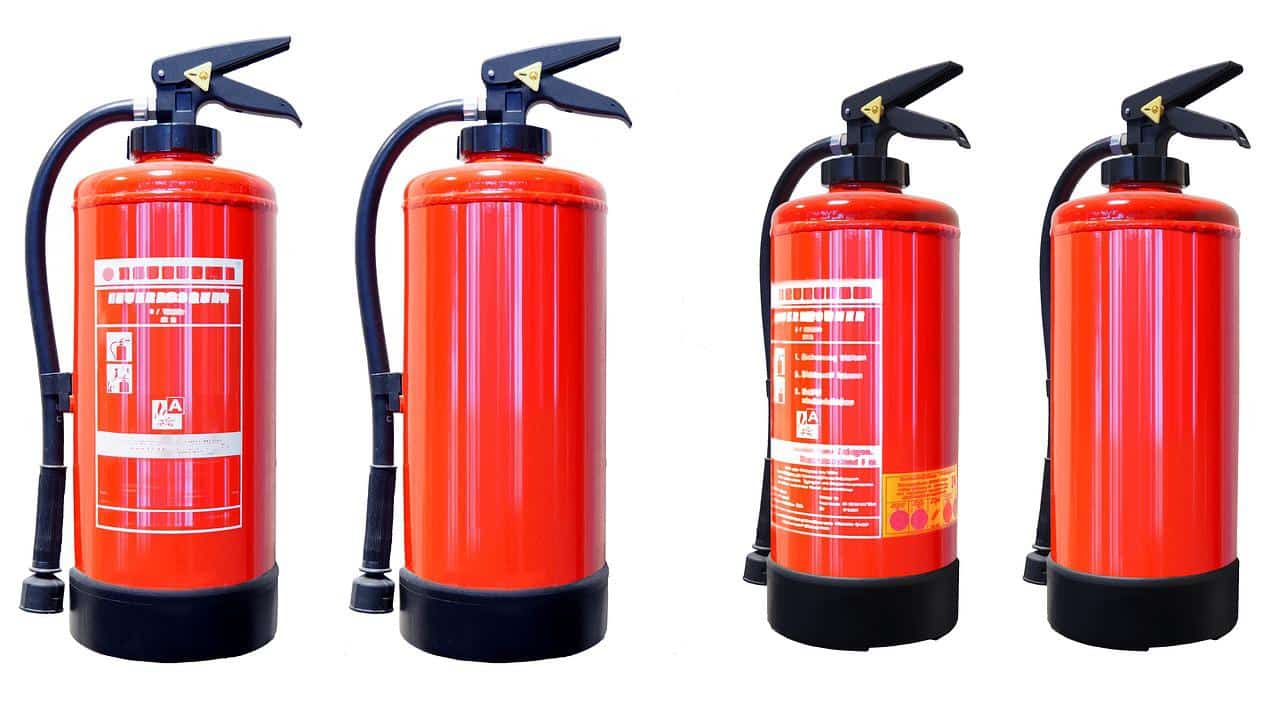
Having fire extinguishers, hoses, and sprinkler systems can help suppress fires and give people time to evacuate. Install sprinklers in high-risk areas like warehouses. Place the right types of extinguishers around the premises. Train staff how to properly use them. Bring in a professional to inspect and maintain suppression systems regularly.
Store Flammables Safely
Flammable substances can fuel fires or even ignite on their own. Safely store chemicals, fuels, gases and other flammables in fireproof cabinets away from sources of heat or ignition. Limit the quantities kept on-site. Ensure good ventilation so vapours don’t build up. Ban smoking near storage areas. Follow all health and safety regulations for hazard signage and protective gear.
Practice Good Housekeeping
Accumulated clutter or rubbish can spark fires, as can faulty electronics and frayed electrical wires. Maintain tidy work areas with designated storage. Properly dispose of waste regularly. Replace damaged electrical equipment and wiring immediately. Prevent buildup of dust. Ban space heaters, candles and other ignition sources. Conduct regular inspections to spot risks.
Maintain Fire Doors
Fire doors contain fires, limiting their spread. Keep fire doors closed unless they are fitted with automated release devices. Don’t obstruct or prop them open. Schedule inspections of fire doors, walls, floors and seals. Look for damage and gaps. Get faulty doors repaired or replaced by professionals.
Review Insurance Cover
Even with precautions, fires can still happen. Review your business insurance policy to ensure you have adequate cover. This can greatly help with rebuilding and recovery. Align policy limits with the true replacement value of your property and assets. Also get cover for temporary relocation, operations disruption and data recovery.
Consistent prevention, preparation and training will go a long way towards keeping your business resilient.
Advertisement / Sponsored Content — This content is a paid advertorial published in consideration of payment or other commercial benefit. The views, claims, statements, offers and representations are those of the advertiser and do not necessarily reflect the views of the publisher, which does not endorse or verify them. This material is provided for general promotional information only and does not constitute legal, financial, medical, investment or other professional advice; readers should make their own enquiries and seek professional advice before acting. Claims, testimonials and performance statements have not been independently verified unless stated. Offers and availability are subject to change and additional terms. This advertorial may contain links to third-party websites and the publisher may receive commissions or other benefits from reader engagement; the publisher is not responsible for third-party content or fulfilment. To the maximum extent permitted by Australian law, the publisher disclaims liability for reliance on this content, and nothing limits rights that cannot be excluded under the Australian Consumer Law. Where applicable, this advertorial is authorised by the advertiser and does not constitute independent editorial content.