zzSPECIALPOSTzz
HOW DOES LITTERING AFFECT THE ENVIRONMENT AND LOCAL WILDLIFE

Advertisement / Sponsored Content
This content is paid advertising and has been prepared in collaboration with the advertiser.
This post remains active as a legacy issue and is being phased out from January 2026.
Tasmanian Times no longer accepts requests for paid content or advertorials.
Do we consider animal life? Today, in this fast-paced world, we are so busy rushing that we don’t care about these creatures. We are humans; instead of showing love and care to them, we bully them. Besides this, we have been littering for years, and it is not even in control. Waste pollution has a significant effect on wildlife. It’s our responsibility to clean all this waste, as animals can’t do this.
However, we are continuously producing more waste without realizing the consequences. Waste pollutes land, air, and water, harming the whole ecosystem. If we don’t focus on this issue sooner, we might face serious health problems in the coming years. Click here to hire waste removal services in the UK near your residence.
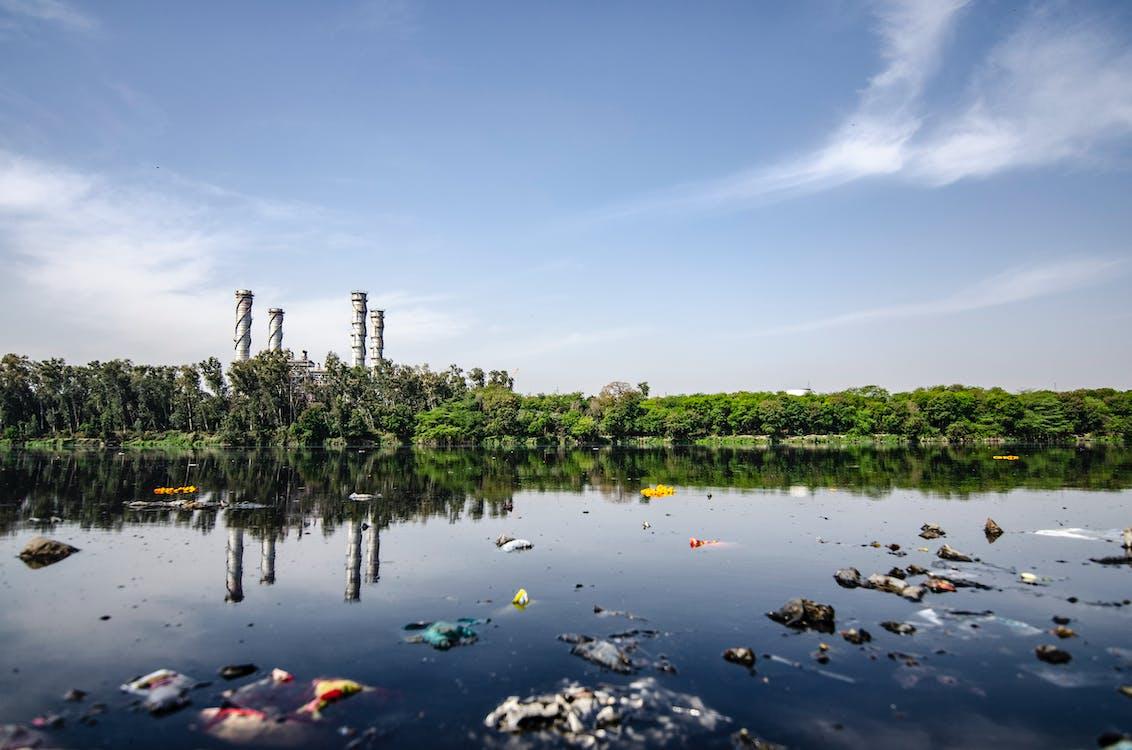

Animals in search of food digest harmful waste that we throw everywhere, like plastics and bones. The sea may swallow our leftover damaging debris like fish hooks and die in fishing nets. You may have seen smoked cigarette butts in the grassland and even in the water. It is toxic for fish and birds. This article will show how our littering affects the environment and wildlife. And what steps we should take to keep our environment clean and safe for ourselves and the wildlife.
Consider keeping your environment clean; Rubbish Removals Luke can help you. Play your role in saving the environment and making it waste-free.
Animals Which Are Affected By Littering
Let’s take the example of a few animals affected by our littering.
-
Green turtles and hawksbill turtles eat jellyfish, but plastic resembles soft plastic. So these turtles consume this soft plastic, considering it jellyfish, making it toxic to them. Waste pollution is a significant threat to marine turtles. The latest study shows many dead and sick baby turtles on the beaches. Just a single small piece of debris is enough to be fatal.
It’s not just about plastic bags; other plastic items, such as balloons, bottles, etc., also contribute to this waste. Balloons are slowly degradable in water. Today, with the increasing trend of celebrating near water, such as beaches and islands, a study revealed that beaches are filled with balloon fragments.
They can cause infection, intestinal blockage, internal injury, and malnutrition in turtles. To protect marine life, proper waste disposal must be provided if people celebrate near oceans. Otherwise, it should be banned.
-
We are not just polluting land and water; we have exceeded our limits, and birds are not saved from waste pollution. Birds searching for food most commonly digest plastic and other harmful wastes, including chemicals. This is entirely unfair to those beings. Earth doesn’t belong to us only. We should create a clear space for animals and birds.
Birds affected by eating harmful wastes include albatrosses and flesh-footed shearwaters. These unique species are dying, and we are not taking steps to save them. Another study shows that half of petrel species regularly ingest human-generated waste.
-
Many fish and marine animals digest microplastic elements and other toxicants we spread. For example, oysters, muscles, and scallops are found to have plastics in their tissues. Plastic ingestion affects whales because whales prey on these small fish and marine animals. So, indirectly, whales also feed on plastics.
A shocking study showed that these waste materials are changing the structure of offshore waters and reducing chlorophyll in marine plants.
Conclusion
Our littering is affecting the environment and wildlife. We must stop this as early as possible or take preventive measures to help reduce these wastes. Animals, including marine life and birds, are also unconsciously affected by these plastics, toxicants, and chemicals. Governments should take steps to clean oceans and ensure proper waste disposal near them. Waste from events or celebrations should not be thrown into the oceans.
By following these preventive measures, we can reduce further harm to other creatures and make the earth a living place for everyone. It will be helpful for us in the long run!
Advertisement / Sponsored Content — This content is a paid advertorial published in consideration of payment or other commercial benefit. The views, claims, statements, offers and representations are those of the advertiser and do not necessarily reflect the views of the publisher, which does not endorse or verify them. This material is provided for general promotional information only and does not constitute legal, financial, medical, investment or other professional advice; readers should make their own enquiries and seek professional advice before acting. Claims, testimonials and performance statements have not been independently verified unless stated. Offers and availability are subject to change and additional terms. This advertorial may contain links to third-party websites and the publisher may receive commissions or other benefits from reader engagement; the publisher is not responsible for third-party content or fulfilment. To the maximum extent permitted by Australian law, the publisher disclaims liability for reliance on this content, and nothing limits rights that cannot be excluded under the Australian Consumer Law. Where applicable, this advertorial is authorised by the advertiser and does not constitute independent editorial content.