
Advertisement / Sponsored Content
This content is paid advertising and has been prepared in collaboration with the advertiser.
This post remains active as a legacy issue and is being phased out from January 2026.
Tasmanian Times no longer accepts requests for paid content or advertorials.
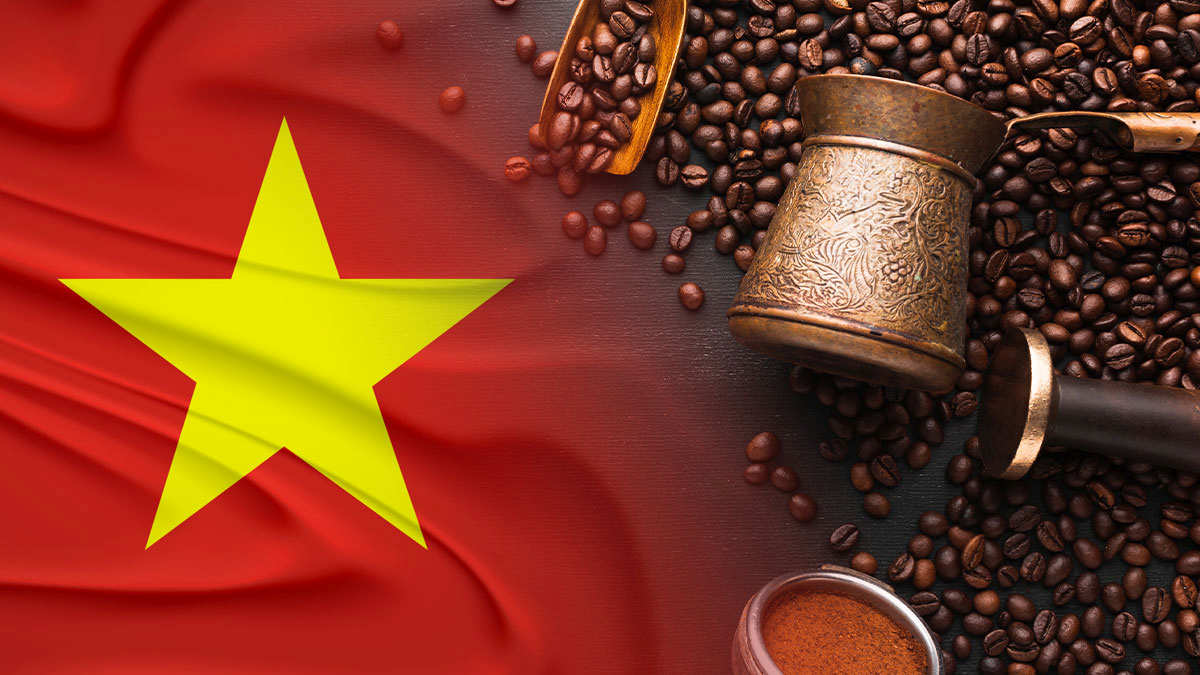
Vietnam produces a mind-boggling 30 million bags of coffee every year — making it the second-largest coffee exporter in the world. Only Brazil exports more coffee than Vietnam — a remarkable feat considering that Brazil is 27 times larger than Vietnam. You must be curious to find out everything you need to know about Vietnamese coffee.
There are 3 key factors to Vietnam’s success in the coffee industry:
- Perfect climate — The lush central highlands of Vietnam offer idyllic conditions for growing coffee. Farmers don’t have to struggle to produce exceptional-tasting coffee.
- Unique coffee culture — The Vietnamese invented their own unique method of preparing coffee that stands out from everything else in the world of coffee. Vietnamese-style coffee is loved for its intense flavors and rich aroma.
- Focus on robusta — This highly caffeinated, full-bodied bean was once an underdog in the coffee industry but is now preferred for its resistance to climate change and distinct flavour profile.
These factors, combined with climate change impacting both the 2023 and 2024 coffee crops in countries like Colombia, Guatemala, Brazil, and Ethiopia, have led to further surges in demand for Vietnamese-grown coffees.
The easiest way to get your hands on Vietnamese coffee is to order it online from specialty coffee suppliers like Cafely.com or visit a local Vietnamese coffee shop.
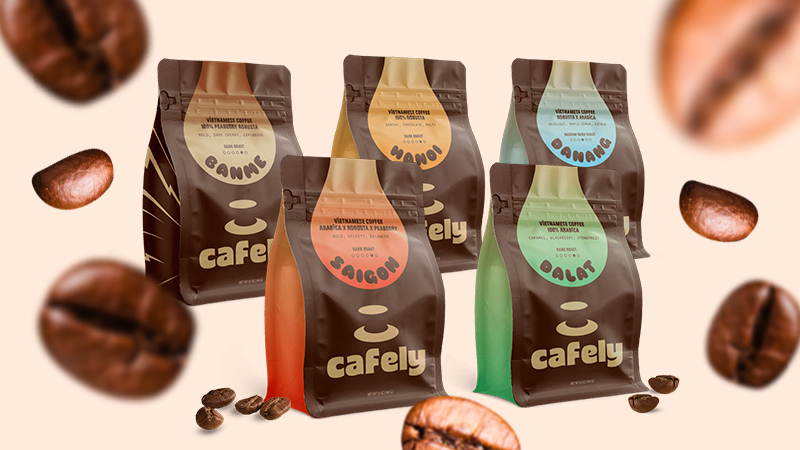
If you’re new to Vietnamese coffee, check out Cafely’s Vietnamese Harmony Trio Bundle. This pack delivers an exclusive peek at everything Vietnamese coffee has to offer. This bundle comes with a bag of Vietnamese robusta (HaNoi), Vietnamese arabica (DaLat), and a 50/50 robusta/arabica blend (DaNang).
Why Vietnamese Coffee is so Popular in 2024
Over the past 9 years, interest in Vietnamese coffee has nearly tripled. Google search traffic data shows that interest in Vietnamese coffee has gone from around 12,000 monthly searches in 2015 to over 32,000 in the United States alone. Similar interest can be seen in the search habits of Canadians, Australians, and Singaporeans.
There are a few good reasons for why we’re seeing this trend:
- Increased Interest in Specialty Coffees — As consumers become more discerning, there’s a growing appreciation for unique coffee varieties and brewing methods. Vietnamese coffee, with its distinctive preparation style and robusta beans, fits perfectly into this niche.
- Dwindling Stigma Against Robusta — Historically, robusta coffee has been considered inferior to arabica due to its stronger, sometimes bitter taste. However, this stigma is fading as consumers and coffee experts alike recognize the unique qualities of robusta beans, particularly when prepared in traditional Vietnamese style.
- Climate Change — Climate change has adversely affected many arabica coffee plantations around the world, driving up prices and reducing availability. Robusta coffees are more resilient to climate fluctuations, thus resisting the price hikes arabica is currently experiencing.
- The World’s Caffeine Intake is Rising — As modern lifestyles become increasingly hectic, more people are prioritizing productivity and seeking beverages with higher caffeine content. Vietnamese coffee offers exactly that with double the caffeine as conventional arabica coffee.
What Makes Vietnamese Coffee Special?
Vietnamese-style coffee is typically brewed using Coffea robusta — a species of coffee with more than double the caffeine content as conventional Coffea arabica. It also delivers twice the antioxidants and only half the sugar.
Coffee beans are brewed using a phin filter to produce an exceptionally concentrated coffee before being cooled with ice and mixed with sweetened condensed milk. The resulting beverage delivers a blast of flavor and a powerful energy boost.
This style of coffee was born in Vietnam but has since spread all over the world. You can now find Vietnamese coffee shops in just about every major city in the United States.
Vietnamese Robusta is a Powerhouse of Flavor & Energy
One of the key reasons why Vietnamese-grown coffee is so popular is the fact that nearly 97% of the farms here exclusively grow Coffea robusta.
In the West, coffee snobs have long shunned this species of coffee — citing intense, often bitter flavors. However, the strong, bold, full-bodied flavor is not only tolerated in Vietnam — but preferred. As the stigma for robusta coffee is starting to wear off, coffee drinkers all over the world who prefer these distinct flavors are taking notice.
Robusta’s intense flavor pairs perfectly with the sweetness of condensed milk or coconut cream.
Coffea robusta contains nearly 2.5X the caffeine as arabica and is significantly more resilient to things like climate change, poor soil conditions, and pests — including the devastating coffee leaf rust, which has been devastating arabica plantations for more than 150 years.
Vietnam’s Perfect Growing Conditions
Vietnam’s climate is ideal for growing world-class coffee. Mountainous regions in the Vietnamese central highlands, such as Buon Ma Thuot, Pleiku, and Da Lat, provide everything the coffee plant needs to thrive. These regions boast rich volcanic soil, consistent and abundant annual rainfall, and plenty of sunlight.
Coffee produced in these regions is consistently awarded for its complex (and intense) flavor, body, and aroma.
On top of these natural advantages, Vietnamese coffee farmers have developed several farming practices that further enhance the bean quality. Techniques like companion cropping, shade farming, organic farming, and hand-picking are all commonplace on Vietnamese farms and directly contribute to the higher-quality output of Vietnamese farms.
Most arabica coffee plantations these days are heavily automated, use synthetic fertilizers to boost dwindling yields, and overharvest in order to maximize production — but at the expense of quality.
The standard Vietnamese-style coffee (called Cà Phê Sữa) uses dark-roast Vietnamese-grown robusta, which is brewed in a traditional phin filter and mixed with ice and condensed milk.
However, there are also dozens of other variations of this coffee that can be found in coffeehouses all over the world:
- Bạc Xỉu Coffee (Vietnamese Iced Latte) — This coffee is prepared similarly to a Western iced latte, using condensed milk and a small amount of dark, concentrated Vietnamese robusta.
- Cà Phê Trứng (Egg Coffee) — Egg coffee is made by whipping a combination of egg yolks and condensed milk to produce a silky sweet foam, which is then blended with phin-brewed Vietnamese robusta.
- Sữa Chua Cà Phê (Yogurt Coffee) — This preparation swaps the condensed milk with Vietnamese-style yogurt for a distinct tangy flavor.
- Cà Phê Muối (Shakerato Coffee) — This coffee is a simple twist on the traditional Vietnamese iced coffee. By adding a pinch of salt to your coffee, you can get the sweet and bitter flavors to pop even further.
- Cà Phê Cốt Dừa (Coconut Coffee) — This dairy-free version of typical Vietnamese coffee uses a heavy coconut cream in place of condensed milk.
- Cà Phê Đen (Black Coffee) — A strong, dark brew made with or without ice. This coffee is reserved for the heavy-hitters as the total caffeine content and intense bitter flavors are unmatched by any other style of coffee.
- Sinh Tố Cà Phê (Coffee Smoothie) — A popular drink in Vietnam but only just now gaining traction in the United States, this concoction blends strong black Veitnamese-style coffee with ice, condensed milk, and tropical fruits like banana, avocado, or sapadilla.
- Cà Phê Chồn (Weasel Coffee) — This bizarre specialty coffee is some of the most expensive coffee in the world. It’s collected from the droppings of the Asian palm civet and is known for having a particularly fruity and chocolaty flavor.
How to Brew Vietnamese Coffee at Home
Brewing Vietnamese-style coffee centers around a special device called a phin filter. This low-cost device uses a blend of immersion brewing (like a French press) and percolation (like a pour-over) to produce the notoriously strong, bold, and full-bodied flavors Vietnamese-style coffee is known for. Best of all, it only takes a few minutes to prepare.
The key to a good cup of Vietnamese coffee is to use the right beans. Always opt for high-grade Vietnamese coffee beans for the best results.
Here’s the step-by-step instructions for brewing traditional Vietnamese coffee:
- Step 1: Grind the beans to a consistency similar to sea salt (medium-fine grind) — or simply order preground coffee beans.
- Step 2: Fill up the phin filter with 8–10 grams of coffee (1.5–2 tablespoons), depending on the size of your phin.
- Step 3: Tamp down the beans with the included gravity press. Don’t press too hard — the goal is simply to level out the beans and provide some gentle compaction so the water can pass through the whole filter as evenly as possible.
- Step 4: Gently pour some boiling water over the grounds until they’re just above the top of the gravity press. Wait about 30 seconds for the gases to escape from between the grounds before adding the rest of the water to the top of the phin. Over the next 5–6 minutes, the coffee will drip through the phin filter and into your cup below.
- Step 5: Add some condensed milk to a glass cup, fill it to the top with ice, and pour your coffee overtop. Give the brew a minute or two to cool down, stir, and enjoy!
Advertisement / Sponsored Content — This content is a paid advertorial published in consideration of payment or other commercial benefit. The views, claims, statements, offers and representations are those of the advertiser and do not necessarily reflect the views of the publisher, which does not endorse or verify them. This material is provided for general promotional information only and does not constitute legal, financial, medical, investment or other professional advice; readers should make their own enquiries and seek professional advice before acting. Claims, testimonials and performance statements have not been independently verified unless stated. Offers and availability are subject to change and additional terms. This advertorial may contain links to third-party websites and the publisher may receive commissions or other benefits from reader engagement; the publisher is not responsible for third-party content or fulfilment. To the maximum extent permitted by Australian law, the publisher disclaims liability for reliance on this content, and nothing limits rights that cannot be excluded under the Australian Consumer Law. Where applicable, this advertorial is authorised by the advertiser and does not constitute independent editorial content.