
Advertisement / Sponsored Content
This content is paid advertising and has been prepared in collaboration with the advertiser.
This post remains active as a legacy issue and is being phased out from January 2026.
Tasmanian Times no longer accepts requests for paid content or advertorials.
Did you know? School generates more waste in a single year than the waste generated by a person in his lifetime. Whether it is the food waste from the cafeteria or paper waste from the art class, the huge volume is dispensed into the landfills. Unfortunately, many school managements are not contributing to reducing the issue.
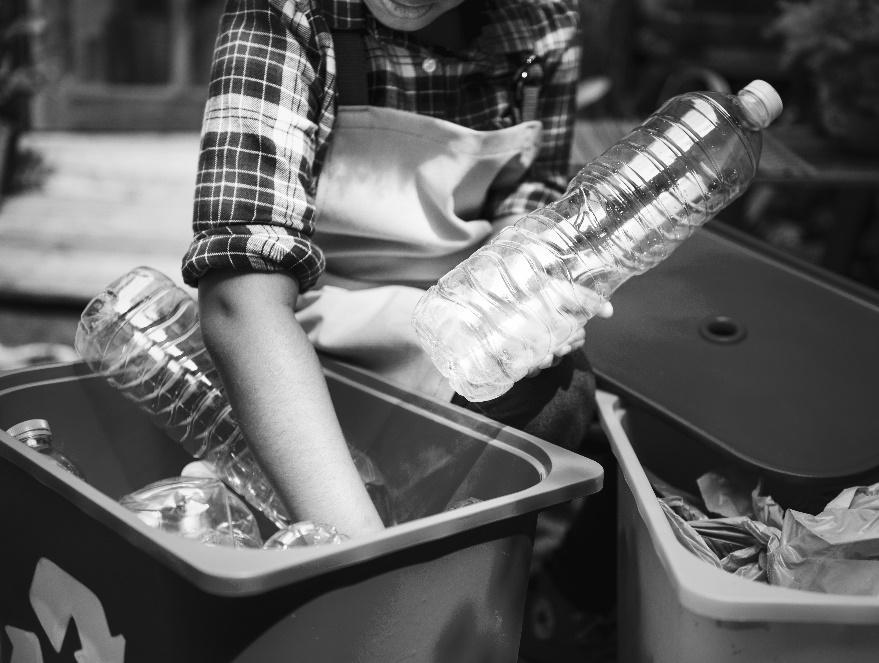
However, it is the right place to teach children about the ways to reduce waste generation and make them habitual of the recycling practices. Here are some efficient tips proposed by oconnorswasteremoval.co.uk professionals that we can implement in schools to help children be mindful of their waste-generation habits and bring positive changes. Let’s have a look at them.
-
Ditch Disposables
The best tip for reducing waste is not producing it at all. We use many single-use items from disposable bottles to utensils in our school setting. Ban them and teach the students how these single-use items negatively impact our environment. Moreover, reduce the use of plastic by skipping the laminator and food wrappers, water bottles, etc by using their eco-friendly alternatives to keep the articles safe.
-
Reduce the Paper Waste
Paper waste makes up a significant proportion of the waste generated in the schools which not only impacts the environment as a waste but maintaining the paper supply is also a crushing pressure on our natural resources. Thus, skip the paper usage by printing only the necessary text and make sure that you are using both sides of the paper with appropriate formatting to keep the use to a minimum. Use emails and other online channels to replace the use of paper for assigning homework, assignments, or other possibilities.
-
Start the Awareness Campaign
The foremost thing to do is to raise awareness about the importance of the 3R principle (reduce, reuse, and recycle). Arrange seminars, poster competitions, Q&A sessions, etc. where you will tell the students how waste generation is destroying our environment and how it is risking human survival. Moreover, raise awareness about recycling methods among the students so they can start implementing this valuable knowledge at their homes too and contribute to the overall waste reduction.
-
Implement Recycling Practices
Raising awareness is not enough because you have to practically teach them the dos and don’ts of recycling practices. You can do it by putting the waste and recycling bins in each classroom and helping the students learn about waste sorting and waste contamination points that can render a recyclable item non-recyclable.
-
Take Initiatives
Now students have learned the importance of recycling, it is time to take the initiative to let them adopt these practices in their life. You can encourage them by organizing some recycling-themed competitions and implementing new rules regarding the recycling of art supplies, reusing extra cartons from the cafeteria as organizers, and so on. In this way, not only do students learn practically but also gain confidence to employ the tactics in their routine lives.
-
Start a Composting Plan
Each day, pounds of food waste are collected from the school cafeteria and dropped to the landfills. However, there is the best way of converting that organic food waste into valuable and nutrient-rich soil for the garden. Composting. Start a composting program at the school and assign a designated place to each class where they can compost and offer some academic credits to encourage them with such efforts.
-
Rotate the School Supplies
At the end of each year, tons of books, notes, and other supplies are trashed and students get ready to buy new stuff for their new year. However, those items are valuable for the students who are in the upcoming batch of the same grade as many students cannot afford them. Hence, instead of throwing them away, rotate the items that are in good condition among the next batches, so everything does not end up in the trash can.
Final Words
School is the best place to teach students about waste reduction and recycling practices. Encourage them to implement their learnings into their daily practices at school and home. Instead of throwing the school supplies or food waste, rotating and recycling is the better alternative to prevent the swelling of landfills.
Paper, plastic, and disposables should be under strict regulations in the school, so their negative impacts on the ecosystem can be restricted. If you are looking for reliable waste removal services for your school, click here to hire the professionals.
Advertisement / Sponsored Content — This content is a paid advertorial published in consideration of payment or other commercial benefit. The views, claims, statements, offers and representations are those of the advertiser and do not necessarily reflect the views of the publisher, which does not endorse or verify them. This material is provided for general promotional information only and does not constitute legal, financial, medical, investment or other professional advice; readers should make their own enquiries and seek professional advice before acting. Claims, testimonials and performance statements have not been independently verified unless stated. Offers and availability are subject to change and additional terms. This advertorial may contain links to third-party websites and the publisher may receive commissions or other benefits from reader engagement; the publisher is not responsible for third-party content or fulfilment. To the maximum extent permitted by Australian law, the publisher disclaims liability for reliance on this content, and nothing limits rights that cannot be excluded under the Australian Consumer Law. Where applicable, this advertorial is authorised by the advertiser and does not constitute independent editorial content.