Media release – Australasian Seabird Group, 21 June 2024
Record silver gull numbers in southern Tasmania in longest Australian count
A long-running annual count of gulls in southern Tasmania has produced the highest number ever of silver gulls, indicating that at a time of multiplying endangered bird species, these birds are thriving.
“The Winter Gull Count by volunteers around southern Tasmanian coastlines recorded over 17,000 silver gulls – the highest ever,” said count organiser Dr Eric Woehler. “All counts of silver gulls since 2012 have exceeded 10,000 birds.”
Dr Woehler said in further good news, Pacific gull numbers exceeded 1,000 birds for only the second time since counts began more than 40 years ago in 1980. “Based on the 2024 count, the current regional (southeast Tasmania) population of Pacific gulls is now almost four times the initial counts from the 1980s” he noted.
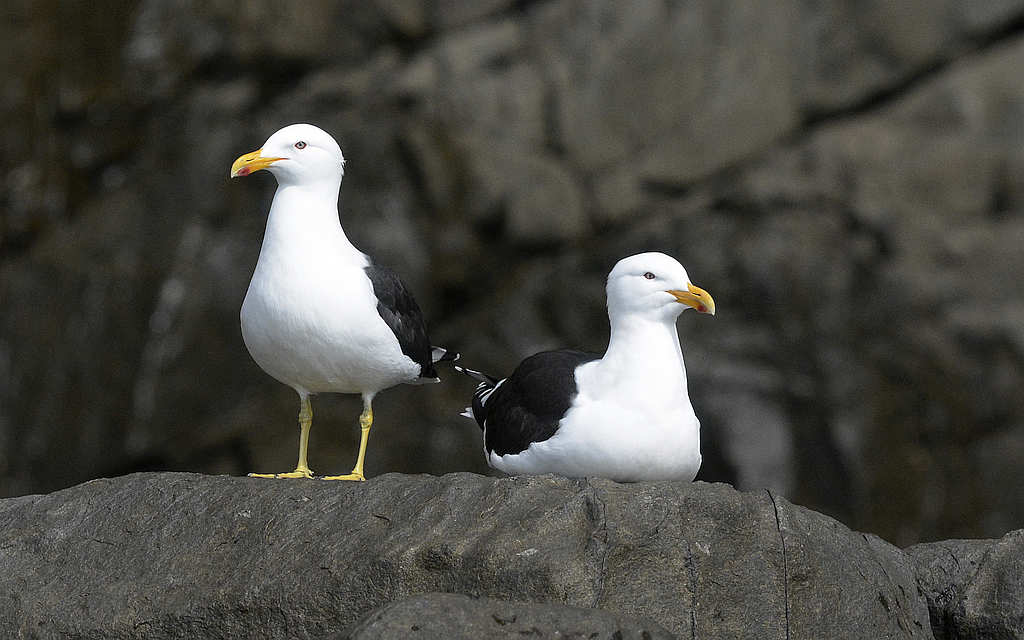
The third species present in southern Tasmania, the kelp gull, numbered more than 5,700 birds, with a regional population more than seven times the initial 1980 count. The kelp gull is a self-introduced arrival in Tasmania, and continues to expand its range here.
“But there is no evidence of any impact from the increasing and expanding kelp gull population in southeast Tasmania on the other two species of gulls”, Dr Woehler said.
“Gulls are known globally to benefit from human activities, so the patterns we’re seeing here in Tasmania agree with those from around the world” he added.
Dr Woehler said the Winter Gull Count is believed to be the longest time series of data for any gull populations in Australia.
“This year, the count was conducted on the King’s Birthday weekend under moderate to poor weather and sea conditions. In many cases, gulls were feeding and roosting at several areas sheltered from the prevailing S/SW winds during the low tide in the morning.”
Held under the auspices of the Australasian Seabird Group, a Special Interest Group of BirdLife Australia, the count was conducted by 65 volunteers, comprising BirdLife members and their families and friends, and staff from marine farms.
“These counts provide councils, community and marine farms with real-time information on the status and trends in gull numbers throughout the region that reflect past and current management efforts.”
Featured image above courtesy of and copyright ©Eric Woehler.