zzSPECIALPOSTzz
Best Practices for Garden Waste Disposal

Advertisement / Sponsored Content
This content is paid advertising and has been prepared in collaboration with the advertiser.
This post remains active as a legacy issue and is being phased out from January 2026.
Tasmanian Times no longer accepts requests for paid content or advertorials.
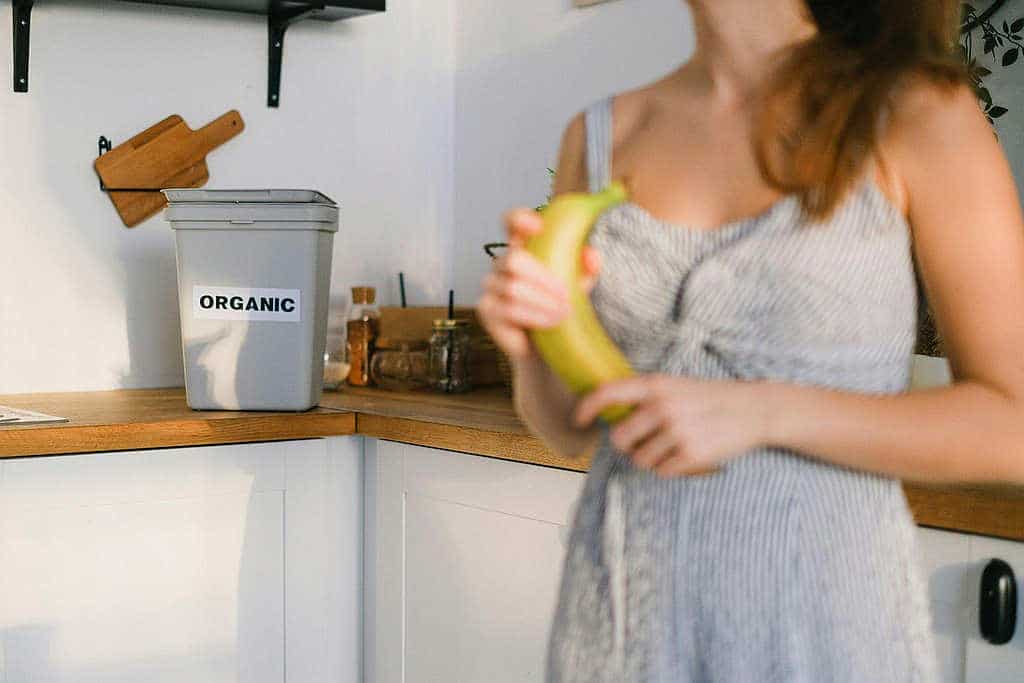

Garden waste can result from gardening or lawn maintenance tasks and includes grass clippings, leaves, twigs, bark and tree pruning debris. Instead of sending it directly to landfill, this material can be recycled back into the garden itself, rather than ending up as landfill.
Composting is the most eco-friendly method of disposal for green waste. When organic matter ends up in landfills, it breaks down without oxygen and releases harmful greenhouse gasses that contribute to global warming.
Composting
Composting is an environmentally-friendly way of handling garden waste. Composting transforms organic matter into rich soil while decreasing chemical usage in your garden and can elevate neighborhood pride and curb appeal by beautifying it visually.
Homeowners can utilise either a homemade compost pile or commercially-available compost bin to recycle their garden waste into useful products, providing nutrients to their garden while decreasing weed growth and saving them money by doing it themselves. Compost is essentially free!
Not only does it add essential elements such as nitrogen, phosphorus, carbon potassium and zinc into soil layers – but it can also improve structure, reduce erosion, prevent further water loss while supporting crops growth – not bad! You can visit this site to learn more about the health benefits of phosphorus.
Composting can be done simply and quickly by tossing all plant matter directly onto the ground. This works well when composting small items like grass clippings or small weeds directly in place; however, this approach won’t provide sufficient compost that’s useful to your garden.
Making a compost pile requires numerous methods. These may include using a bin (like those found at most hardware stores), an open pile, or even freestanding one. If you want to become serious about composting, wire fencing or pallets may be needed as protection from large animals while simultaneously keeping the pile at a size which allows it to get hot and active and expedite the process faster.
General guidelines dictate a mix of two parts brown materials (like dry leaves and twigs) to one part green materials (such as food scraps). The carbon contained within brown material provides energy for decomposers while nitrogen from food scraps provides them with an added boost.
Your pile should also remain moist; to test its moisture, squeeze your pile to test whether it feels wrung out – the ideal measure would be to squeeze it like you were squeezing a sponge! To maintain ideal conditions in your pile you may need regular turning with either pitch fork or shovel.
Though every homeowner may not be able to start composting due to space limitations, many local governments provide compost collection programs as part of weekly green waste and food organics recycling collection services for residents. These services aim to decrease landfill emissions that produce powerful greenhouse gases.
At landfills, anaerobic bacteria (the kind that don’t require oxygen to live) break down waste without oxygen and produce methane – an extremely potent greenhouse gas 25 times more potent than carbon dioxide – which accounts for much of America’s methane emissions. This process accounts for much of its total emissions.
A national strategy to reduce waste disposal by at least a third and emissions by half has been implemented; but its success lies with each one of us individually.
Education of the public about biodiversity and illegal dumping should be seen as the starting point to protecting it, including how harmful illegal dumping impacts our environment.
Campaigns could target specific groups most susceptible to illegal dumping such as those living close to reserves, gardening communities or plant sellers. Education may also focus on risks associated with particular garden species (i.e. those that require costly management) while encouraging people to plant native trees, shrubs and grasses.
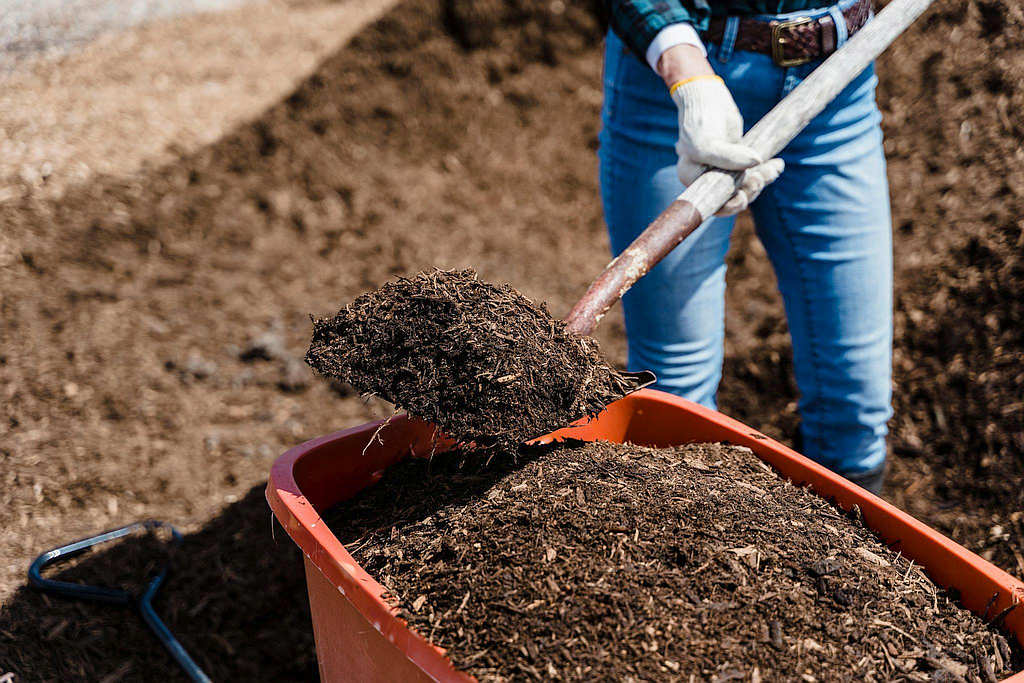
Mulching
Mulching is an easy and effective way to help your garden flourish. By protecting soil from sun exposure and wind erosion, mulching helps reduce water loss from sunlight and wind while suppressing weeds and moderating soil temperature.
Mulch may be created from organic waste materials like leaves, grass clippings or straw; inorganic materials like gravel or plastic film; it should also have an opaque dark hue which makes hiding weeds easier while giving garden beds an organised appearance.
Bagging or burning garden waste are poor choices for managing organic garden waste, taking up precious landfill space while being prohibited by many state air quality and fire control laws. Composting or hiring a mulching service are far superior options; mulching allows recycling your organic garden waste economically.
Wood chips, shredded bark, grass clippings, hay, cotton seed hulls, peat moss or plant matter are among the many organic materials commonly used as mulch. As these organic materials decompose and feed back into the soil, their presence acts to improve its texture and nutrient content while at the same time reducing weed growth, conserving moisture levels, moderate temperatures in gardens more evenly as well as making gardens more aesthetically pleasing.
Inorganic materials like fine tanbark or rock can also serve as mulch. As well as providing aesthetic benefits, rock and tanbark help stabilize soil by keeping it in place and stabilizing it over time. However, whatever form of mulching material is employed it is crucial that no diseased materials exist that may contain seeds and plant parts which could become invasive species in time.
An optimal layer of mulch should not exceed two to three cm in depth as any deeper layers can interfere with plant development and growth. Newspaper can serve as an inexpensive option; however, due to not decomposing as quickly as other organic materials it will likely need replenishing more frequently. It is best avoided with roses or deep-rooted plants because newspaper may prevent their roots from receiving essential nutrients. Other organic options for mulch include tree bark, compost, sawdust and wood slivers.
Recycling
Garden waste that doesn’t lend itself to composting can still be recycled, helping reduce landfill and promote sustainable gardening practices. Recycling processes transform organic material into useful products like fertiliser and soil improver; making this an excellent solution for those without space for an outdoor compost pile but who still wish to make use of their garden waste.
Recycling garden waste can be accomplished in several ways, from dropping it off at your local household recycling centre to placing it in specially labeled bins for collection. No special sacks need be used – any strong refuse sack should suffice as long as they’re undivided.
Some councils also provide green bin collection for garden waste. Designed to hold leaves, grass cuttings and small branches, you can learn more by visiting the website of your council.
Reducing the environmental impact of garden waste disposal is best achieved by recycling it instead of discarding it in the garbage can. You can do this using a compost bin, forming a heap in your garden, or leaving materials to decompose naturally – turning waste into rich, fertile compost that can then be reused in gardening projects around your home or used elsewhere in your garden.
Reaching out to your local council regarding their organic waste collection system may also help. Many towns offer recycling centers that collect garden waste and turn it into compost or biofuel for use within their economies, which helps decrease carbon emissions associated with climate change.
Many local councils now mandate residents to separate organic waste from regular garbage, which has already started in Queens and will eventually become mandatory across the city. This can be an ideal solution for those without space at home to compost or mulch their own garden waste while still taking responsibility for its management.
Rubbish Removal
Australian gardens contain green and brown waste that must be responsibly and sustainably disposed of to contribute to environmental sustainability.
No matter whether you DIY compost or mulch your garden, recycle at local recycling centres, use a rubbish removal service or rent a skip bin, best practices should be observed. Professionals like the ones at www.ridlyrubbishremoval.com can help you determine the proper method of disposal. Otherwise, garden waste disposal could end up as illegal dumping of ‘green’ waste into general rubbish bins – which could result in soil contamination, increased fire fuel loads, disruption of visual amenity disruption as well as add costs associated with weed control management plus forest fire management while negatively affecting biodiversity as a whole.
For safe disposal of garden waste, the safest method is placing it in a strong refuse bag with your garbage bin for collection. Once at household waste and recycling centres, these bags will be incinerated to produce electricity for the national grid.
Advertisement / Sponsored Content — This content is a paid advertorial published in consideration of payment or other commercial benefit. The views, claims, statements, offers and representations are those of the advertiser and do not necessarily reflect the views of the publisher, which does not endorse or verify them. This material is provided for general promotional information only and does not constitute legal, financial, medical, investment or other professional advice; readers should make their own enquiries and seek professional advice before acting. Claims, testimonials and performance statements have not been independently verified unless stated. Offers and availability are subject to change and additional terms. This advertorial may contain links to third-party websites and the publisher may receive commissions or other benefits from reader engagement; the publisher is not responsible for third-party content or fulfilment. To the maximum extent permitted by Australian law, the publisher disclaims liability for reliance on this content, and nothing limits rights that cannot be excluded under the Australian Consumer Law. Where applicable, this advertorial is authorised by the advertiser and does not constitute independent editorial content.