
Advertisement / Sponsored Content
This content is paid advertising and has been prepared in collaboration with the advertiser.
This post remains active as a legacy issue and is being phased out from January 2026.
Tasmanian Times no longer accepts requests for paid content or advertorials.
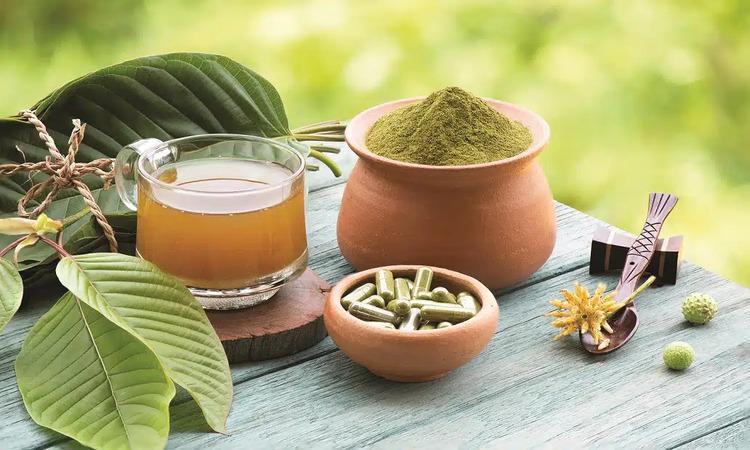
The Mitragyna speciosa tree from Southeast Asia has gained attention regarding the possible health benefits and therapeutic uses of its product, called kratom. As its popularity grows, many wonder about its nutritional value, specifically: does kratom have calories?
This article explores kratom’s caloric presence and dives into its broader nutritional profile. We’ll examine factors affecting kratom’s caloric content, its potential health benefits, including antioxidant properties, and its role in energy boosting, immune support, and pain management.
Additionally, we assess if kratom can be a source of vitamins, carbohydrates, or fiber and detail its total caloric content.
Finally, we discuss optimal consumption methods, including dosage considerations and various intake techniques.
Does Kratom Have Calories?
Kratom, derived from the Mitragyna speciosa tree found in Southeast Asia, is frequently utilized for its psychoactive and medicinal properties. A common query regarding this botanical is its caloric content. White Sumatra kratom indeed contains a very small number of calories.
The calorie difference of kratom is fairly low and hence is negligible compared to our ordinary diet. To take a closer look, a single dose of kratom in powder form is roughly one teaspoon or zero five grams and supplies anywhere from 2 to 5 calories coming mainly from carbohydrates in the form of dietary fiber. What is worth mentioning is its calorie content, so kratom practically does not make you gain weight and gives a food compromise.
For those managing their caloric intake or on a calorie-controlled diet, kratom offers a way to enjoy its potential health benefits without significant concern for calorie disruption, thereby supporting weight management efforts while providing therapeutic effects.
What Factors Affect the Caloric Content of Kratom?
The number of calories in kratom can change because of a few things. First, the kind of kratom matters. Different types have different stuff in them that affects calories. Also, how old the leaves are when they’re picked can make a difference.
Things like where it’s grown, the soil, and how it’s taken care of also matter. Lastly, the way it’s processed, like drying and grinding, can change how many calories it has. So, lots of things can change how many calories are in kratom.
Kratom Nutrition Benefits
It is known that kratom is often used for psychological effects along with therapeutic effects. This medicinal product can be beneficial for endurance and functionality. There are two major compounds that kratom contains, the mitragynine and 7-hydroxymitragynine alkaloids, which are believed to be the principal actors in the vigor that kratom proāvides.
Antioxidant Properties
Kratom contains significant antioxidants that may reduce oxidative damage and lower the risk of various diseases. The antioxidants found in kratom plants can bind up these free radicals, and thus, they may protect cells and tissues against cellular damage.
Boosting Energy Levels
A large number of users state that having a stimulant effect at lower doses, kratom is a beneficial energizer, too. Therefore, kratom is in high favor among those who require a lift in energy levels without coffee side effects that include jitters.
Supporting Immune Function
The various alkaloids in kratom have restrained immune-power enhancements. The properties associated with water may be capable of strengthening the body’s natural immune system. This benefit, however, could be due to several factors, so scientific research in this field still needs to clarify the specific effects of the mineral.
Managing Pain and Inflammation
Kratom is the most popular plant-based pain relief medication because of its remarkable pain-killing properties. It impacts pain receptors in the body and can potentially reduce inflammation considerably, so it becomes a logical alternative for chronic patients.
Understanding these nutritional benefits helps clarify why kratom might be more than just a recreational herb, highlighting its potential role in supporting physical health and well-being.
How Many Calories Are in Kratom?
Different types of kratom might have different amounts of calories. Also, how kratom leaves are dried matters. Leaves dried in the sun might have more calories than those dried using machines. Where kratom grows, like the soil quality and the weather, can also affect how many calories it has.
While we might not have exact numbers for how many calories kratom has, knowing about these things can help us understand its nutrition. But, since kratom is usually taken in small amounts, its calories might not make a big difference in your overall diet. Still, if you have specific diet concerns, it’s best to talk to a healthcare professional for advice tailored to you.
What Is the Best Way to Take Kratom?
Kratom Dosage Considerations
The best dosage of kratom is always based on personal tolerance, strain type, and the person’s goal whether it´s pain relief, energy boost, or calming effect. Newbies can start with a small dose, 1-2 grams, and then increase it until they achieve their personal best. This is significant in order to monitor the changes in the body’s condition and make the necessary changes.
Methods of Kratom Consumption
One way to do it is to mix kratom powder in a glass of water or other drink and drink it fast. This is why people prefer fast absorption but to undermine the bitter taste.
Utilizing the leaves or the leaves powder for making a drink not only determines the smoothness and duration of kratom’s effect but can also increase the herb’s natural qualities. It also allows users to sweeten the tea to improve flavor.
Capsules and tablets are the favorites of those who want to avoid the bittering taste of kratom. It is easy, convenient, and tastes good. This technique gives an accurate dosage; however, due to the capsule dissolving, there might be a delay in when the effect can take place.
Each method has its benefits and drawbacks, so the best way to take kratom is the one that aligns with your lifestyle and how your body responds to the herb. For accurate dosing and to minimize potential side effects, it’s advisable to measure the kratom carefully, start with a lower dose, and adjust as needed based on your experiences.
Conclusion
This article was centered on the nutritional profile of kratom, an extract from Southeast Asian Mitragyna speciosa which primarily focuses on the calorie count and wider nutritional benefits of the said product. We found that kratom contains a negligible amount of calories, typically 2 to 5 per serving, mainly from minimal carbohydrates in the form of dietary fiber.
We also highlighted kratom’s health benefits, including its antioxidant properties and its ability to boost energy, support immune function, and manage pain and inflammation. Although low in vitamins, kratom does provide some essential minerals and vitamins that contribute to its nutritional value.
Advertisement / Sponsored Content — This content is a paid advertorial published in consideration of payment or other commercial benefit. The views, claims, statements, offers and representations are those of the advertiser and do not necessarily reflect the views of the publisher, which does not endorse or verify them. This material is provided for general promotional information only and does not constitute legal, financial, medical, investment or other professional advice; readers should make their own enquiries and seek professional advice before acting. Claims, testimonials and performance statements have not been independently verified unless stated. Offers and availability are subject to change and additional terms. This advertorial may contain links to third-party websites and the publisher may receive commissions or other benefits from reader engagement; the publisher is not responsible for third-party content or fulfilment. To the maximum extent permitted by Australian law, the publisher disclaims liability for reliance on this content, and nothing limits rights that cannot be excluded under the Australian Consumer Law. Where applicable, this advertorial is authorised by the advertiser and does not constitute independent editorial content.