zzSPECIALPOSTzz
Effective Water-Saving Techniques for Your Garden

Advertisement / Sponsored Content
This content is paid advertising and has been prepared in collaboration with the advertiser.
This post remains active as a legacy issue and is being phased out from January 2026.
Tasmanian Times no longer accepts requests for paid content or advertorials.
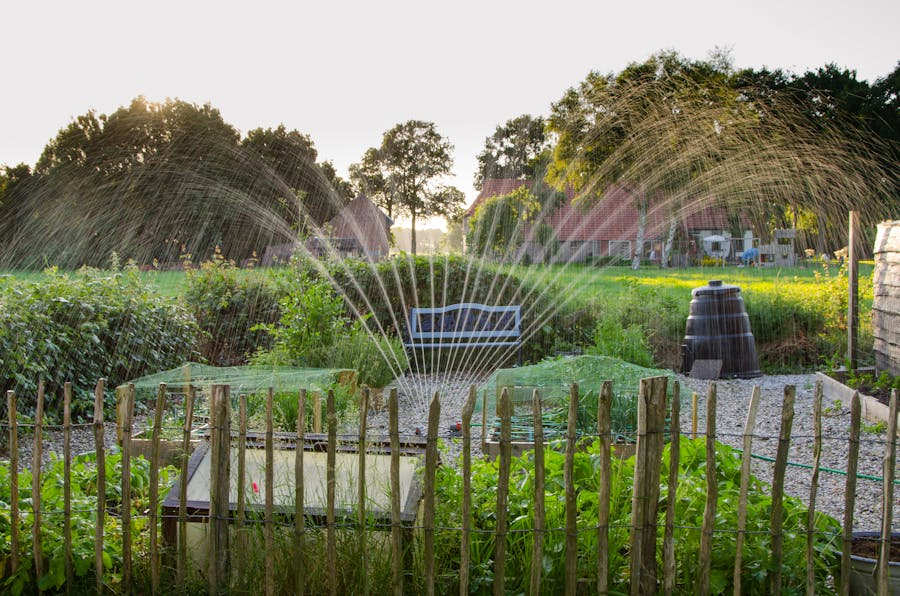

In the realm of gardening, water conservation is not only a responsible practice but also a critical aspect of sustainable landscaping. With concerns about water scarcity and environmental impact on the rise, adopting effective water-saving techniques in your garden is not just beneficial—it’s essential. In this article, we’ll explore a range of strategies and methods to help you minimize water usage while maintaining a lush and thriving garden oasis.
Mulching
This is a highly effective water-saving technique that offers multiple benefits for your garden. By covering the surface with a layer of organic or inorganic materials, such as wood chips or gravel, you can significantly reduce water evaporation and suppress weed growth. This protective layer acts as a barrier, helping to retain moisture in the soil. Organic mulches, such as shredded leaves or compost, not only conserve moisture but also improve soil structure and fertility over time as they decompose. Additionally, they provide insulation to plant roots during extreme temperatures, keeping them cooler in the summer and warmer in the winter.
Incorporating mulching into your garden maintenance routine can lead to significant water savings over time, as well as promote healthier plant growth and reduce the need for frequent watering.
Irrigation Systems
Drip irrigation systems are an efficient and water-saving alternative to traditional overhead sprinklers for watering your garden. Unlike sprinkler systems, which can lead to water wastage through evaporation and runoff, drip irrigation delivers water to the base of each plant’s root zone, where it’s needed most. So, an irrigation system can be the perfect solution to your problem. Water waste can be minimized with a brand such as Hoselink that offers different irrigation product types.
Again, this targeted approach minimizes water loss and ensures that plants receive a consistent and controlled supply of moisture, promoting healthier growth while reducing the risk of disease. They consist of a network of tubes or hoses with emitters spaced at regular intervals to deliver water slowly and precisely to individual plants.
These emitters can be adjusted to deliver the right amount of water based on each plant’s specific needs, ensuring efficient use of water resources and minimizing waste. Additionally, drip irrigation systems can be customized with timers and sensors to automate watering schedules and adjust them based on environmental factors such as temperature and rainfall.
Collecting Rainwater
Collecting rainwater is an eco-friendly and cost-effective addition to your garden’s water supply. Installing a rainwater harvesting system involves collecting rainwater from your roof or other catchment surfaces and storing it in barrels, tanks, or cisterns for later use in watering your garden. This harvested rainwater can then be distributed to your plants through drip irrigation systems or watering cans, providing a natural and nutrient-rich source of hydration.
In addition to conserving water, collecting rainwater helps reduce stormwater runoff and erosion, mitigating the risk of flooding and pollution in your local environment. It also promotes self-sufficiency and resilience in times of water scarcity, allowing you to maintain healthy gardens even during droughts or water restrictions
Watering at the Right Time of Day
Timing is key when it comes to watering your garden efficiently and conserving water. Watering during the morning hours, ideally before 10 a.m., is generally recommended as it allows plants to absorb moisture. This minimizes water loss through evaporation and ensures that plants have ample hydration to withstand the day’s heat and stress.
Watering in the morning also helps prevent fungal diseases by allowing foliage to dry quickly in the sunlight, reducing the risk of moisture-related issues such as mould and mildew. Avoid watering during the hottest part of the day, typically between 10 a.m. and 4 p.m., as this can lead to rapid evaporation and water wastage. Similarly, watering in the evening or at night can promote fungal growth and disease development by leaving foliage wet for extended periods, so it’s best to water earlier in the day whenever possible.
Choosing Drought-Tolerant Plants
Selecting drought-tolerant plants is a proactive strategy for reducing water usage in your garden while still enjoying vibrant and colourful landscapes. Drought-tolerant plants are adapted to thrive in arid conditions and require minimal supplemental watering once established, making them ideal choices for water-wise gardening in regions prone to drought or water scarcity.
When choosing drought-tolerant plants for your garden, look for species that are native to your region or have similar climate and soil requirements. Native plants are well-suited to local environmental conditions and typically require less water than non-native species. Additionally, consider incorporating succulents, ornamental grasses, and other water-wise plants that have evolved specialized adaptations, such as fleshy leaves or deep root systems, to store water and withstand drought conditions.
Soil Amendment and Improvement
Improving soil health is another effective strategy for conserving water and promoting thriving gardens. Healthy soil acts like a sponge, capable of absorbing and retaining moisture while providing essential nutrients to plants. By incorporating organic matter, such as compost, manure, or leaf mulch, into your soil, you can enhance its structure, fertility, and water-holding capacity, reducing the need for frequent watering and fertilization.
Compost, in particular, is a valuable soil amendment that not only enriches the soil with organic nutrients but also improves its texture and water retention abilities. When applied to garden beds and around plant roots, compost helps create a stable soil structure with improved aeration and drainage, allowing water to penetrate deep into the root zone and reducing surface runoff and erosion.
Additionally, consider practising no-till or minimal tillage techniques to preserve soil structure and minimize disturbance to beneficial soil organisms. Tilling disrupts soil aggregates and exposes organic matter to rapid decomposition, leading to increased moisture loss and nutrient leaching.
Conclusion
In conclusion, implementing water-saving techniques in your garden is not only beneficial for the environment but also for your plants and wallet. Whether you’re mulching to retain moisture, installing drip irrigation systems for precision watering, or choosing drought-tolerant plants to minimize water usage, every effort counts towards creating a sustainable and thriving garden oasis. By embracing these strategies and incorporating them into your gardening practices, you can conserve water, reduce your environmental footprint, and enjoy the beauty of a lush and vibrant landscape for years to come.
Advertisement / Sponsored Content — This content is a paid advertorial published in consideration of payment or other commercial benefit. The views, claims, statements, offers and representations are those of the advertiser and do not necessarily reflect the views of the publisher, which does not endorse or verify them. This material is provided for general promotional information only and does not constitute legal, financial, medical, investment or other professional advice; readers should make their own enquiries and seek professional advice before acting. Claims, testimonials and performance statements have not been independently verified unless stated. Offers and availability are subject to change and additional terms. This advertorial may contain links to third-party websites and the publisher may receive commissions or other benefits from reader engagement; the publisher is not responsible for third-party content or fulfilment. To the maximum extent permitted by Australian law, the publisher disclaims liability for reliance on this content, and nothing limits rights that cannot be excluded under the Australian Consumer Law. Where applicable, this advertorial is authorised by the advertiser and does not constitute independent editorial content.