The debt ratios of local councils in Tasmania have skyrocketed in the last few years.
Along with this there has been a projection – a deception, in my opinion – that everything is ‘steady as she goes’. This spin continues to be put out even as deficits grow.
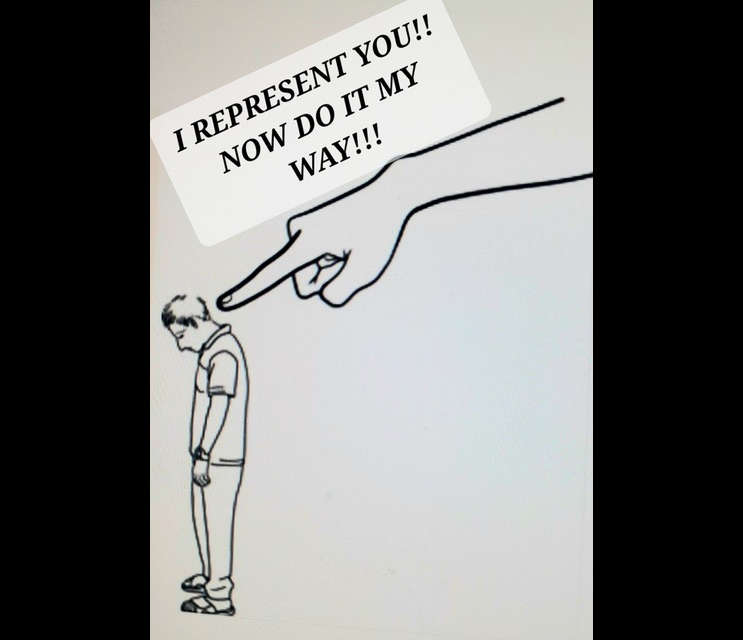
‘Difficult customers’ highlighting this to their local councils have had gag orders slapped on them through the Difficult Customer Policy.
Councils claim that they are open and transparent to those they represent. But the exact opposite is taking place right now and right here in Tasmania.
A Difficult Customer Policy was developed by one of the local government review board panel member many years ago to silence the critics of a northern council. This policy is now being adopted by any council that has ratepayers, business owners or residents raising concerns about what is really going on.
Councils are franticly revaluing their land under the roads, footpaths and storm-water easements – in some cases by 30 to 50% annually – to ensure the budget assets are above the liabilities columns. While indeed assets can appreciate in value, this loophole of self-valuation has seen these councils assets grow in value quicker than many of our own backyards.
It must be hard for anyone to walk out their front door and see the footpath, the gutter and the road worth more than their house when they turn around and look at it. If they then go and ask their local council how can the land under the road be worth more than their back yard, the council will blacklist them as a difficult customer through the newly adopted Difficult Customer Policy. A similar fate can befall those asking unwanted questions under the newly voted-on Meeting Procedures Policy and Question Time Policy.
There are simply no checks and balances working in this great state of Tasmania ensuring our rights.
All three of the policies are subordinate to the Local Government Act 1993 and the 2015 Regulations. However the Department of Local Government and the Director will support councils in their moves to silence the critics under the veil of occupational health and safety. This move by the Department states that councillors have a right to a safe workplace and asking difficult questions in the name of the public’s right to know will no longer be accepted.
Councils in Tasmania are bloated with borrowings, have ever-increasing deficits and are using whatever deception methods they feel the need to use to ensure that the facts and the truth do not come to light on any issue.
Tactics include closing meetings, refusing or heavily redacting right-to-information requests, making questionable statements and any other method of skulduggery at their disposal. Most states in Australia have rid themselves of this type of draconian rule through integrity and anti-corruption bodies which has seen them come out the other side as stronger and fairer places for all of their citizens to live.
Is it time all Tasmanians took a stand for a better future and state to live in, play in and enjoy for future generations to come.
We should call on the current Rockliff Government to implement a full-blooded anti-corruption commission before the next election. This would root out ‘bad actors’ from the system before they can influence the next state and local government elections in Tasmania.
The problem is it would seem that the tentacles of past misdeeds run deep into the halls of power across this great state of Tasmania. The skeletons in just about everyone’s closet will be exposed and displayed for all to see.
That is what a cleansing is: throwing out the old and in with the new. Tasmanians deserve a better state governed by those who are there for the betterment for all of us living in Tasmania not just the shonky few.
James Redgrave is a private investigator and a keen observer of local government, and governance, in Tasmania.