There is sound and then there is noise.
Noise is unwanted, unpleasant, often loud, intrusive and very disturbing. Noise has been used for millennia as a weapon in warfare, from the blast of trumpets in the battle of Jericho, the beating of spears against shields and terrible shouts and roars of charging warriors, the swirl of bagpipes, the insistent beating of drums, to the high-pitched whistle of rockets or missiles. All such noise is used for inflicting pain, anxiety and fear upon the enemy. Most recently, sonic weapons are used as targeted measures to impose crowd control in mass civic protests as well as in war.
Noise used deliberately as a weapon, as in torture or in a campaign of intimidation designed to break down the adversary’s resolve, can reach into the deepest levels of our physical, psychological or emotional being to create mental and physical sickness.
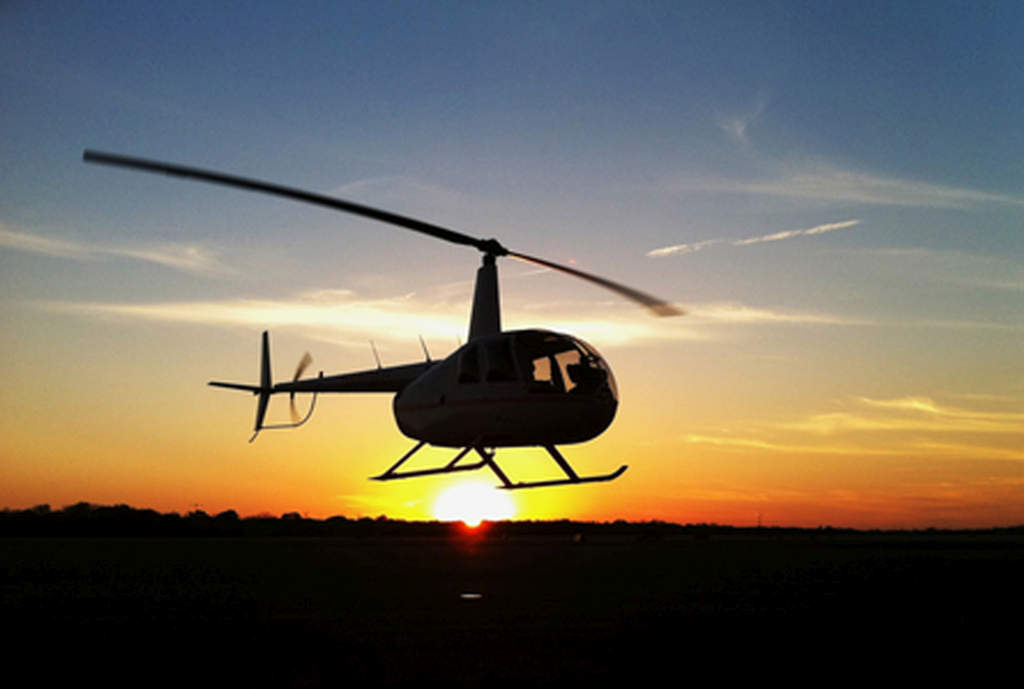
The loud noise of certain helicopters signals danger and elicits the adrenalin rush of fear and anxiety. Who could forget the terrifying impact of armed US cavalry in Bell helicopters blasting the sound of Wagner’s Ride of the Valkyries at maximum volume above the equally deafening sound of the choppers in the opening scenes of the film Apocalypse Now? Of course this was a fictional depiction of US forces in the Vietnam war but noise, often loud music, was used then in so-called ‘psy-ops’ to disrupt and cause panic.
I’m told that the effect of noise is all about frequencies as well as volume, but I also recognise that it’s about expectations and context. Most of us have become used to various levels of noise whether we live in rural areas or in busy urban areas. We accommodate ourselves to the background sounds of traffic, machinery or animals.
The bellowing of bulls or lowing of cows, the squealing of pigs, the chugging of tractors or sound of a chainsaw – these are tolerated in context by residents of rural areas. They are expected sounds of country life. If you expect the country to be a place of rural noise then the sound of a chainsaw might not bother you. On the other hand, if you think country life is always quiet and idyllic then escape to the country is not for you.
If you have come to expect that your suburban neighbours will choose the quietest, balmiest time of day to fire up their ancient two stroke lawnmower, then you may not be bothered. But if your expectation is that you should be able to enjoy some peace and quiet for at least an hour or two at the beginning or end of a day’s work, then the intrusive and disrupting noise of other activities will likely disturb, if not cause annoyance or anger and rupture neighbourly relations.
In our cities we have become generally inured to certain sounds that create urban noise: the hum of traffic; occasional day-time ambulance and police vehicle sirens; the low level irritation of muzak in department stores; the charged thumping sound of clubs at night or the noise of a crowded bar or restaurant; the occasional doof-doofing of passing cars whose drivers are playing loud music with their windows wound down. Sudden screeches of brakes, loud exhaust explosions, a car with a faulty or no muffler.
The list of noise that we have come to expect of urban life and that which we would probably prefer to do without, unfortunately becomes longer. For example, the constant beeping of a reversing vehicle, such as forked lifts, late at night when all else is quiet, becomes unbearable when we are trying to wind down and relax before bed.
The whine and buzz of a drone launched overhead to take real estate photographs on an otherwise somnolent day can be nothing else but irritating. The noise of a neighbour deciding to launch into a spate of early morning or evening lawn-mowing, brush-cutting, twig-chipping or floor-sanding is enough to drive you mad. All this noise, so much pain.
Imagine then how disruptive is the noise of helicopters thundering in from the north passing over our inner city residential suburbs to the RHH. We accept the need for emergency flights yet we expect there to be some control over the noise levels experienced by residents. A helicopter flying in overhead after midnight shocks you from sleep, heart hammering. At all times of the day or night, sometimes several times in one day, we residents who live in the flight path of the emergency helicopters relive the sounds of imminent danger, not exactly in the category of the Vietnam war, but disturbing nonetheless. Something urgently needs to be done about this noise that impinges on the lives of residents. We shouldn’t have to get used to an ever-increasing crescendo of noise.
Humans seek peace and quiet. We may find it sometimes in unexpected places; we turn a corner and find a quiet nook. We retreat to a secluded courtyard away from busy thoroughfares or in a cool, echoing cathedral. There is much therapeutic value in immersing ourselves in the quiet of the natural world. In Japan, the value of shinrin-yoku (forest bathing or walking in nature) is recognised as a source of healing. It is a solace for the soul to be in a quiet space doing nothing but listening to the silence.
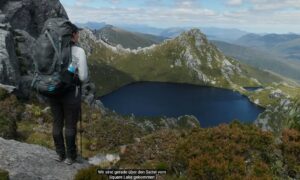
Many years ago I was with an elderly relative sitting in a wilderness location just watching the soft ripples of water lapping against the pebbles of the beach. After a short time my relative whispered two words in my ear: ‘the silence’. In fact there were some sounds, there was not total silence. The gentle sound of the water and the sloughing of the light breeze in the branches of the tea-trees and pencil pines were all part of the general atmosphere of peace and quiet. It was enough that we, ourselves, were silent, that we did not speak and when we did it was in whispers. There was no need for conversation. There was no chatter common to tourist groups being herded along walkways or into scenic locations. No jostling for vantage points, selfie positions or loud interpretations from guides. No noise. It was just the two of us sitting together enjoying the wilderness value of quiet.
We are very fortunate in Tasmania to have beautiful spaces not too distant from where we live where we can escape the noise of our lives and seek the restorative quiet of nature.
Even if we are exposed to howling winds and lashing rain, we are not exposed to the disturbing noise of modern life unless we find ourselves under the flight path of a posse of helicopters touring Tasmania on a whim or an operator flying a helicopter load of guests to a remote, privatised part of our public wilderness.
There is acceptance and expectation of noise associated with rescue or essential work but there is no justification for the destruction of highly valued peace and quiet simply for someone else’s selfish pleasure.
So if it’s helicopters shattering the sky of inner Hobart or disturbing the peace of the wilderness, the effect of uncontrolled noise is the same. There are some controls over noise pollution deriving from industry, agriculture or household activity. It’s time to demand some controls over the intrusive noise in our skies.
Denise Brown is a graduate of the University of Tasmania with a PhD and a career that includes twenty-odd years in public administration. Having travelled extensively and also lived and worked overseas, she has witnessed the devastating impact of mass tourism upon cultural and natural heritage.in public administration.