
The Eight Hour Day public holiday is one of my favourites, though that’s probably not surprising given my line of work.
I think about this day with a sense of pride in the things that working people – through their unions – have achieved together, like the holiday’s namesake, the eight-hour day.
Achieving an eight-hour working day is a very proud win for Australian workers given we were the first to secure a shorter working day across an entire industry without a corresponding loss in pay.
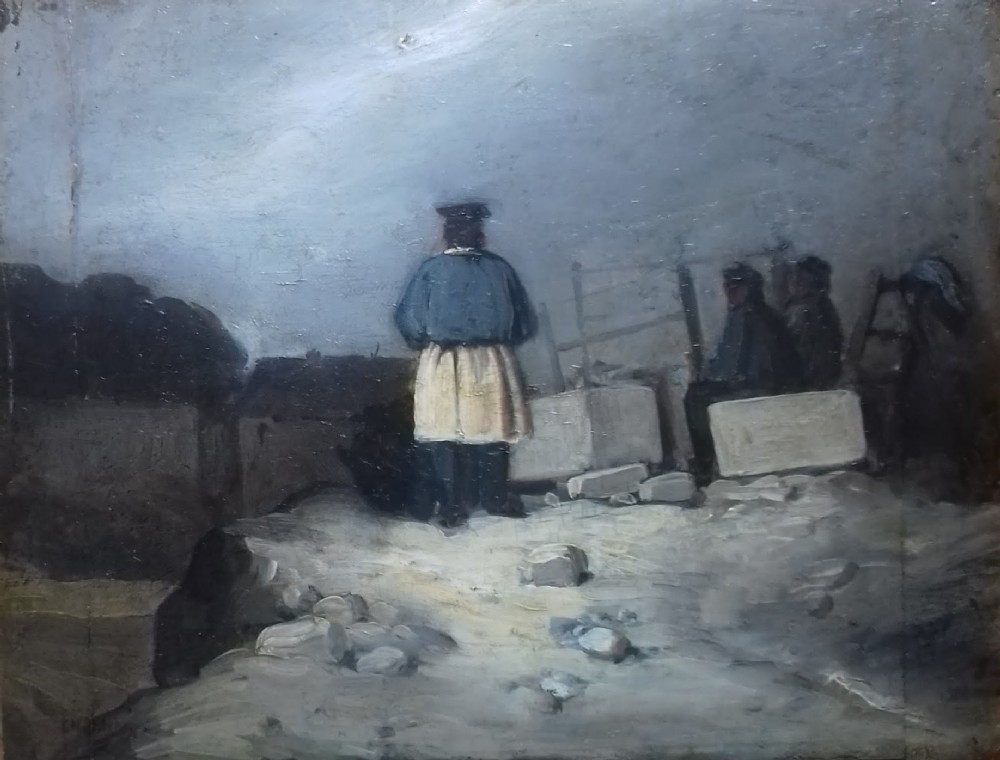
In April 1856, stonemasons working on the law faculty at Melbourne University downed tools in support of their call for a shorter working day. They were soon joined by masons who were building the new parliament house in Spring Street.
They were demanding the right to rest from their labour arguing that life should be about more than just the work we do.
And so it was that construction workers won the eight-hour day as a general industry standard for the first time anywhere in the world.
There have been many union wins since then, things workers often take for granted today like superannuation, workplace safety laws, long service leave, and paid parental leave (to name a few).
So, while I think that the eight-hour day is a day to reflect on those historic union campaigns that shaped our working lives, I also take the opportunity to think about what we still need to do to improve the lives and lift the living standards for workers today.
At the top of that list are more secure jobs and better pay for Tasmanians.
Working people know the value of a good, secure job. Without one, you simply can’t plan your life. Unreliable or irregular shifts mean it’s difficult to get a home loan or even a rental (which is hard enough in Tasmania already). You can’t plan childcare arrangements, and you worry about having enough money to meet basic expenses.
Importantly, a secure job means you get to take a paid break from work each year and, if you get sick, you have paid leave then too, so illness doesn’t equal financial penalty.
But if you have an insecure job, you don’t get any paid leave. Any casual, gig economy worker, or sham contractor will tell you that.
Oh, but casuals get an extra loading, the bosses cry. If only that were always true.
As Employment Relations Professor David Peetz from Griffith University has found, less than half of casual workers actually receive that additional loading.
This is hardly surprising given the Morrison Government’s failure to act on rampant wage theft that we regularly see in the news.
The fact is too many Tasmanians don’t have job security. One in three workers here are on insecure, non-standard work arrangements including casual, independent contractor, or fixed term contracts.
Perhaps one of the most worrying statistics about Tasmania’s insecure work picture is that over 20,000 people are working multiple jobs. This isn’t by choice, but because it’s all they can get.
That looks like an Americanised system of work where people need to cobble two, three, or more jobs to survive. I don’t think that’s a system that any Tasmanian wants to emulate.
As COVID so starkly illustrated, workers who don’t have job security are the most vulnerable. They were the first to lose their jobs when the pandemic hit and the pressure many felt to chose between an income and coming to work sick contributed to several outbreaks across the country, including here in the north-west.
Insecure work is also closely linked to lower pay, an issue Tasmanian workers are already familiar with as we remain the lowest paid workers in the country.
With Hobart the most unaffordable capital city in the country to rent in, petrol skyrocketing to over 216 cents a litre in some parts of the state, and living costs fast outpacing wage growth, any outdated ideas about lower pay being because of lower living costs is beyond laughable.
Our labour is not worth less just because we live in Tasmania.
Don’t buy any excuses from government or business about COVID and wages either. Record low wage growth has been a problem since at least 2013 – well before the pandemic began.
We have a wages and insecure work crisis and it’s getting worse, not better. Where’s the Prime Minister on these issues, then? Missing in action.
Last year, instead of fixing our workplace laws to provide for more secure jobs, Scott Morrison actually made it easier for employers to casualise jobs. Yes, you read that right.
So, we should remember the historic fights of the stonemasons for an eight hour working day on Monday but we should do it with an eye to the future, remembering that there are big issues in our workplaces that won’t be fixed unless we fight for change. And that the best way to do that is as unionists, together.
Jessica Munday is the Secretary of Unions Tasmania.