Wine
Vineyard Manager having Devil of a Time


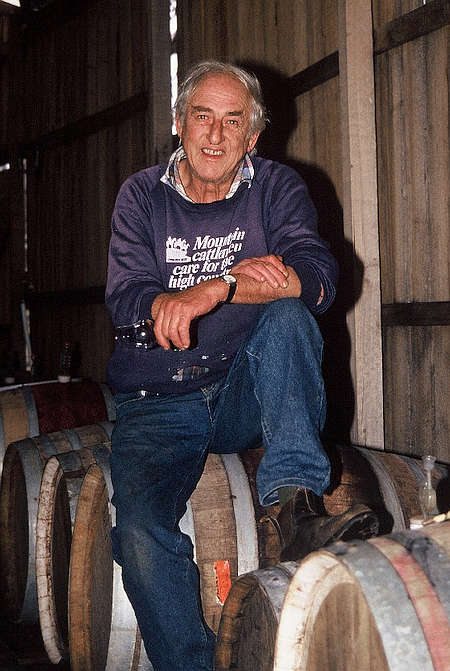
East coast wine pioneer John Austwick. Image courtesy Mark Smith.
When John Austwick first planted vines in the lean and hungry soils of his Craigie Knowe Vineyard at Cranbrook, neighbours and passers-by would blink their eyes in disbelief.
“You’re mad, John,” they’d say to the Hobart dentist as he set about his pioneering exploits.
“You’re never going to get wine grapes to grow here on the east coast.”
“I was seen as a bit of an eccentric back in 1979,” Austwick chuckles.
“But not anymore.”
Today, there are more than two dozen vineyards scattered up and down the coast, from Sterling Heights and Priory Ridge at St Helens to Bream Creek, overlooking Marion Bay. They don’t all have cellar doors, but collectively they accounted for just over 15 percent of Tasmania’s 2021 wine grape harvest.
Somewhat ironically, the district’s biggest vineyard is located less than 10 kilometres as the crow flies from Austwick’s beloved Craigie Knowe. It’s the 200ha Hazards Vineyard at Apslawn, owned and operated by Victoria’s Brown Family Wine Group.
Mid-sized within the context of the Australian wine industry, the property is not only the site of Tasmania’s largest single vineyard, it’s also home to Devil’s Corner Pinot Noir, the country’s biggest-selling Pinot Noir by volume and value.

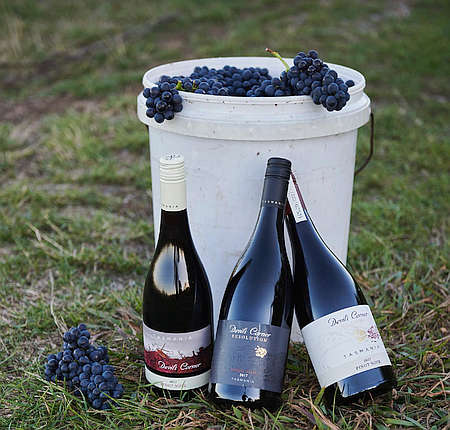
Devil’s Corner Pinot Noir. Image supplied.
On current figures, that translates into a whopping 684,200 bottles of east coast sunshine, with annual sales figures topping the $13.5 million mark. (Aztec National Scan Data, MAT 02/05/21.)
“This is an amazing site,” says vineyard manager Daniel Watson.
“The climate here is fairly similar to Martinborough in New Zealand, even though our latitude is just below that of Blenheim, which is very much the home of New Zealand Sauvignon Blanc. I think the Pinot Noirs from Martinborough are the best Pinot Noirs that come out of New Zealand.”
Watson knows what he’s talking about. The affable bloke who only took on his management role in May 2020 has a swag of tertiary qualifications, including two Master’s degrees in viticulture, winemaking and business management.
More importantly, before moving to live permanently in Tasmania, Watson spent almost two decades working in New Zealand vineyards. From September 2011 until May 2020, he was national vineyards manager for Craggy Range, one of that country’s stellar cool climate wine producers.
“I’ve basically been planting vineyards for the last 15 years,” Watson says.
“My role at Craggy Range meant that I had responsibility for the company’s Hawkes Bay, Martinborough and Marlborough vineyards. I was still planting vineyards for them when I left in 2020. I reckon I probably established 1400ha or 1500ha of vines during my time over there. It was an incredible period for vineyard plantings.
“But it was time to come back home. All my family are here in Australia.”

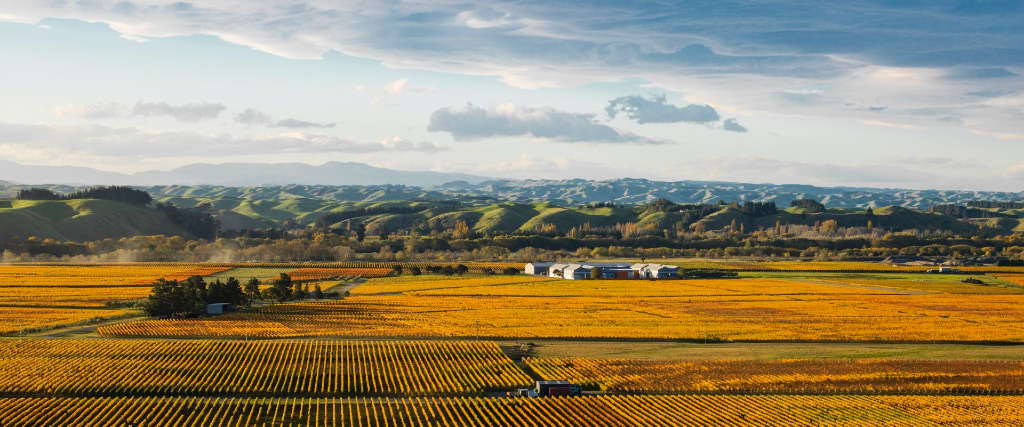
Gimblett Gravels, Hawkes Bay. Image courtesy Craggy Range.
Watson’s mid-year move was not without its share of dramas. When he arrived in Tasmania, his first task was to undertake two weeks of quarantine, in order to satisfy travel restrictions imposed by federal and state governments during the COVID-19 global pandemic.
But it wasn’t long before the new bloke on the Devil’s Corner block was back in a familiar role, overseeing the planting of 3ha of Pinot Gris and 2ha of Syrah (aka Shiraz). Another 4ha of Pinot Gris will be planted later this year.
“Syrah looks a pretty exciting new variety for this site,” he says.
Back in Hawkes Bay, Watson took on his Craggy Range position just as Syrah was becoming one of the glamour red varieties to plant on the region’s renowned Gimblett Gravels.
“This place is a good bit cooler than Hawkes Bay, so you’ve really got to be on top of your game viticulturally if you’re going to be planting Syrah here,” Watson explains.
“It really needs a warm site with good sun exposure and free-draining soils if you’re going to get it to properly ripen. The 2ha block of Syrah that’s already been established down by the highway is north-facing and has good drainage, so I think the variety will do all right there.
“Pinot Noir is what we do really well right now. That’s across a range of styles and price points. Of course, making wines for our entry-point Devil’s Corner label is particularly important. It’s our biggest volume.
“But there’s not much of a margin in making that product. We’ve got to be very careful about our operating costs and management practices.”


Watson admits he’s been surprised to find water is such a precious commodity in these parts. Two large dams on the former farming property have a total storage capacity of more than 500 million litres of water. The company has access to the nearby Apsley River in addition to being able to take water from the recently completed Swan River Valley Irrigation Scheme.
“We apply only the absolute minimum amount of water to our vines because the rainfall here is so variable,” Watson explains.
Official BoM figures show rainfall totals in 2017, 2018 and 2019 all fell a long way short of Apslawn’s official 130-year average of 714mm. In fact, the local weather station recorded just 379mm in 2019, a total much more typical of towns in the Barossa Valley or in north-east Victoria.
“I was really happy about our 2021 vintage,” the vineyard manager says with a distinctly optimistic tone in his voice.
“We had a lot of rain in August, September and October last year and that filled our dams and our soil profiles. It gave us a great start to the season. In the previous year, the vines here were being irrigated in August before they’d even had budburst.

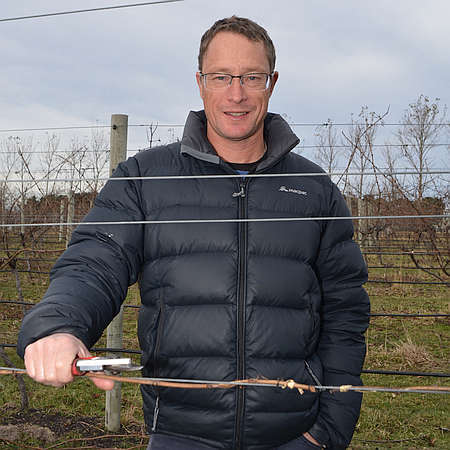
Devil’s Corner vineyard manager Daniel Watson.
Image courtesy Mark Smith.
“Being so dry really reduces our vineyard’s productive capacity when shoot growth is so restricted for such a long period of time. You end up with canes that just can’t carry the bud numbers and bunches they have the potential to carry through to vintage.
“That wasn’t a problem in 2021. The cold weather and lack of sunshine early on was a bit concerning, but then we had this really beautiful weather for much of January and February.
“We had a big dump of rain – around 120mm – in the middle of harvest, but we had our best parcels of fruit off by then. In any case, once our vines had had three or four days to dry out, they really went for it. That bit of rain had very little impact at all.
“The quality of the wines produced in 2021 already appears to be better than that from 2020, and our winemaking team are really happy with those wines. It was certainly a good first year to get under my belt on this site.”
You were right about your cool climate viticulture, John Austwick.
Eccentric? That’s another story.


Hobart’s Mark Smith wrote his first weekly wine column back in 1994. Now more than 1700 features and 25 years later, he continues to chart the successes of Tasmania’s small scale, cool climate wine industry with regular contributions to some of Australia’s leading industry publications.
Tasmanian Times exists to amplify your voice
Please support our crowdfunding campaign to
rejuvenate independent media in Tasmania!
PICK OF THE CROP
Mark gives you his honest opinions about the best wines available right now from Tasmania’s wine makers.
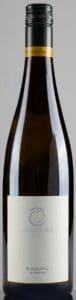

2018 Chartley Estate Riesling $25
This pale youngster was sourced from 18-year-old vines grown in northern Tasmania’s Tamar Valley. Vine age is important in producing premium wines, and Rieslings from the Kossmann family’s Rowella site really hit their straps between 2012 and 2018, winning a swag of awards. This, too, is a lovely example of what the Tamar does best – intense limey wines that drink well when young and become even more enjoyable when they’ve had a few years in bottle. Attractive, fine and focussed now, it will develop subtle toasty aromas and flavours with further maturation. Drink or keep. www.chartleyestatevineyard.com.au
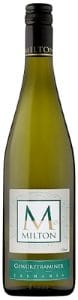

2018 Milton Gewürztraminer $28
With a varietal name looking like something that emerged from a bowl of alphabet soup, it’s no wonder Gewürztraminer was occasionally called Gee-whiz-tram-driver by the late John Brown. That noted, this spicy Germanic white deserves a place at the table alongside your favourite Thai dish. On opening, it offers up the exotic, musky lychee aromas that are typical for the variety. With a bit of air, musk comes next. The palate, meanwhile, is a potpourri of those same elements, along with hints of lime. Indeed, it’s a real smoothie that finishes with well-balanced acidity. Prost! www.miltonvineyard.com.au


2018 Craigow Rosé $35
Fruit from young Pinot Noir vines often finds its way into drink-soon Rosé. Merlot from well-managed, mature vines seems an improbable alternative but works very well in this dry style, along with odd bedfellows Chardonnay (25%) and Shiraz (5%). Sure it’s a quirky blend, but the wine clearly meets the design brief Cathy and Barry Edwards had for it – that it be Provence-like in richness and drinkability. Some initial fruit bon-bon and boiled lolly characters show some pleasing flavour development before the wine changes gear into more food-friendly red fruit with a distinctly savoury edge. Try it. www.craigow.com.au
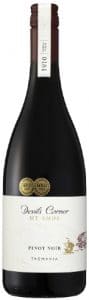

2017 Devil’s Corner Mount Amos Pinot Noir $65
Mount Amos Pinot Noir comes from the Brown Family Wine Group’s Hazards Vineyard on Tasmania’s East Coast. Given the best of sites and fastidious management, the wine has a clear head start over the entry-level Devil’s Corner that is Australia’s biggest selling Pinot Noir. So it’s no surprise this is a very smart middleweight that’s had plenty of gold medal show success. Red cherry/berry fruit aromas are a touch floral before foresty/sassafras nuances emerge with air. The use of French oak is carefully modulated, endowing the wine with smooth ripe berry flavours and fine ripe tannins. Delicious. www.brownbrothers.com.au
ADVERTISEMENT – ADVERTISEMENT – ADVERTISEMENT

