Wine
Unique Remedy for Out-of-sorts Wine Mates



Hobart 27 creator, Max Marriott. Image supplied.
The air is filled with rich aromas of dark chocolate and ripe berries – raspberries, cherries, blackberry and kirsch. They hang in the atmosphere and mingle with the spicy fragrance of sawn timber and dusty oak.
Nothing can match the distinctive smells of a busy winery as vintage gets underway, says winemaker Max Marriott. Their effects can be quite intoxicating, and that’s before so much as a single drop of Pinot Noir has been fermented and turned into wine.
Beyond that is the sense of anticipation that builds as growers wait to harvest their parcels of ripe grapes and send them from the vineyard to the weighbridge.
There’s no escaping the adrenalin rush that arrives with each new vintage, even for seasoned campaigners like Marriott. It’s the business end of the wine-growing year, the moment of truth for all those involved in the growing and making of cool climate wine.
“I’d worked around 15 vintages but 2020 was like no other I’d seen or experienced before,” admits the man from Anim Wine.
“The threat of the COVID-19 pandemic and then the aftermath of Tasmania’s border closures on 30 March were quite surreal. We had many friends and colleagues in and around Hobart who were immediately impacted, forced to shut their doors, their businesses and livelihoods in jeopardy.”
Conscious of the emotional and mental toll all this was having at the time, Marriott says he and his wife Siobhan began scratching their heads, looking for ways to inject some positivity and normality into a situation that was anything but normal.
“We were trying to think of ways we could bring the community together, especially given lockdown had coincided with harvest,” he continues.


Looking back this week at what transpired all those months ago, Marriott is both amazed and delighted he was able to pull off what has since become known as Hobart 27.
It’s a truly unique vintage of single vineyard Pinot Noir, inspired by one of the most powerful women in the world of wine, a Burgundy grower-winemaker by the name of Lalou Bize-Leroy.
Marriott says his French wine hero uses a quite distinctive and peculiarly arduous method of processing Pinot Noir for her illustrious Domaine Leroy Richebourg label.
“She has an immense team of sorters who proceed to snip individual berries off each cluster of Pinot Noir fruit, leaving intact just a small portion of the pedicel (or stalk) that connected it to the bunch,” Marriott explains.

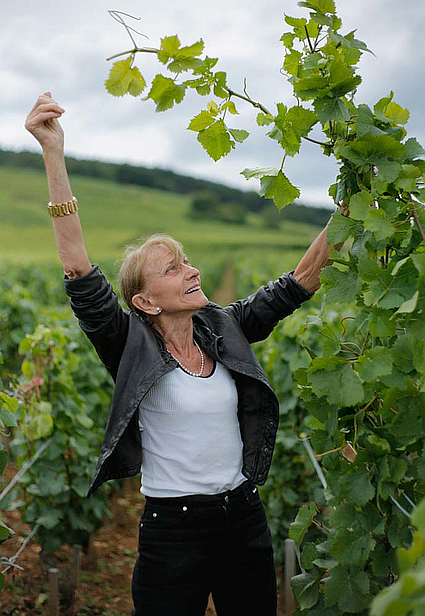
Burgundy winemaker Lalou Bize-Leroy. Image courtesy Domaine Leroy.
“She likes the resulting tannin expression in the finished wine. Her Richebourg sells for thousands of dollars a bottle.”
One hundred bottles of Anim Hobart 27 were released for sale on July 1.
This is one wild-fermented wine that puts a new spin on the word ‘wild.’
Sourced from Clarence House Estate, located between Rokeby and Cambridge, it was created in similar, painstaking fashion to that used by Madame Bize-Leroy, Marriott says. Literally handcrafted, this 2020 vintage of Hobart 27 Pinot Noir sells for $270. Each.
“We were planning to make just 225 litres of the wine – enough to fill a single barrique – but once a few people heard of the venture, we found there was enough interest and labour available to fill a 300-litre hogshead,” Marriott says.
“We actually had to go back to the vineyard and handpick a small amount of additional Pinot for the wine. It takes its name from the 27 different people in and around Hobart that were involved in its creation.”
Marriott is lavish in his praise for the commitment and patience shown by those that devoted untold hours of intricate sorting and snipping of bunches and berries for Hobart 27. Gladly, he’s also very proud of the quality of the resulting wine, too, describing it as a truly precious thing with gorgeous texture and finely woven tannin structure.
The talented winemaker and 2021 nominee for the national award of Young Gun of Wine makes no attempt to hide the wonder and amusement that accompanied his project from far out of left-field.
“There’s a fine line between genius and madness and I’m not sure where I stand on that count,” Marriott muses.
“The idea of dropping off – to various addresses around Hobart – one, two or three buckets of Pinot Noir so that those interested could snip away at them each evening in their slippers and pyjamas certainly seems a bit bizarre.
The fact that we’d come back later with a ute and flat-bed trailer to collect each bucket of snipped berries – at night, in the middle of vintage – just added to craziness of the whole thing.


Hand-snipped Pinot Noir. Image (and featured image) courtesy Lara Grün.
“But we did it. It was an amazing achievement. I don’t think many participants quite knew what they were in for when they volunteered to take part.
“To show what was planned, I sent out a time-lapse video to those taking part, demonstrating how the work was to be done.
“Of course, my snipping on the video only took a few seconds. In reality, the processing of a whole bucket of Pinot Noir bunches probably took each person many hours. I’m sure a lot of them were well and truly over it by the time they finished.”
ADVERTISEMENT – ADVERTISEMENT – ADVERTISEMENT


Gladly, their efforts have been duly rewarded.
Marriott says one third of the wine he bottled earlier this year has been reserved for Hobart 27 participants. Each person is due to receive their three bottles in a special, presentation gift pack in coming weeks. Another third will be offered for sale to venues of those involved in the undertaking, while the third and final component comprises this week’s hundred-bottle release.
“Around 30 additional bottles have been set aside for future fundraisers and charity auctions,” Marriott notes.


Front label, Anim Hobart 27 Pinot Noir. Image courtesy Lara Grün.
The wine is destined to have many more admirers than purchasers, with its simple but attractive front label carrying a watermark of the extremely rare Tasmanian yellow waratah. A cleverly integrated bit of graphic design illustrates the street addresses of the project’s 27 participants, along with the city of Hobart that provided its centre point.
It’s a special bit of packaging for a collaborative, community-based initiative, one that’s destined never to be replicated.
“Hobart 27 is very much a time capsule wine, a keepsake from a very special moment for a small bunch of people,” Marriott says.
“Meanwhile, our family’s Anim Wine remains true to its origins. It’s about growing great fruit from each of the three vineyards we lease, manage or oversee. The emphasis is on farming the land organically; on building soil condition and vitality in order to increase plant health.
“We’re making wines from the ground up; wines that are the product of fruit we’ve farmed ourselves and that are truly unique and expressive of their site.”
Hobart’s Mark Smith wrote his first weekly wine column back in 1994. Now more than 1700 features and 25 years later, he continues to chart the successes of Tasmania’s small scale, cool climate wine industry with regular contributions to some of Australia’s leading industry publications.
Tasmanian Times exists to amplify your voice
Please support our crowdfunding campaign to
rejuvenate independent media in Tasmania!
PICK OF THE CROP

Mark gives you his honest opinions about the best wines available right now from Tasmania’s wine makers.
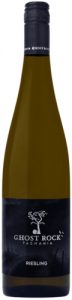
2020 Ghost Rock Estate Riesling $32
Northdown, outside Devonport on the Cradle Coast, has one of the State’s longest growing seasons. That makes the Arnold family’s Ghost Rock site well suited to producing top notch Riesling. Following the late 2020 harvest, winemaker Justin Arnold included a little bit of barrel work in the creation of this stylish dry white. It’s been sensitively managed, ensuring the variety’s delicate lime/citrus characters and white flower aromas are not overwhelmed by oak. Fine natural acidity and slippery texture make it similarly user-friendly. Drink local, with fish and chips from the Devonport Bluff. www.ghostrock.com.au
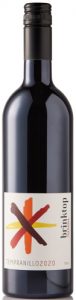

2017 Brinktop Tempranillo $36
With climate change predicted to dramatically affect Tasmanian growing conditions over coming decades, what red varieties might we consider as alternatives to Pinot Noir? Todd Goebel and Gill Christian have plumped for Tempranillo in Tasmania’s warm, dry Coal River Valley, and wow, what promise it shows. This is a deep crimson wine, sourced from vines planted on the couple’s four-year-old Penna site. For such a youngster, it has undeniable appeal, combining generosity of cherry/berry flavour with distinctly varietal savoury notes. French oak input is very nicely handled, ensuring the wine is ready to go, right now. www.brinktop.com.au
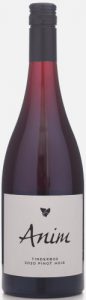

2020 Anim Tinderbox Pinot Noir $50
Blink and you’ve missed it. That’s often the case when Max and Siobhan Marriott offer a new release of their excellent Anim wines. The last bottles of this wonderfully aromatic Pinot Noir from the D’Entrecasteaux Channel headed off to wholesalers this week, so you’d better be quick to track it down. Light-bodied and delightfully savoury, it’s beautifully crafted, showing real finesse on the palate. Subtle red fruit and well sustained flavours make it a neat fit for enjoying along with smoked salmon and BBQ quail. Reach for a decanter and give it time to open up on pouring. www.animwine.com
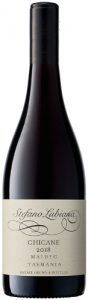

2018 Stefano Lubiana Chicane Malbec $55
When Steve and Monique Lubiana moved to Granton outside Hobart just over 30 years ago, their goal was to create stylish bottle-fermented sparkling wine. They sound found their north-facing site overlooking the River Derwent was capable of producing wonderfully intense red wines. This smart new release shows what might well become a staple in the family’s portfolio. It’s a rich, juicy wine, so well balanced it can be enjoyed in its youth or set aside for a few years in the cellar. Look for smooth dark plum and berry characters, with hints of cedary oak and gentle tannins. www.slw.com.au
ADVERTISEMENT – ADVERTISEMENT – ADVERTISEMENT

