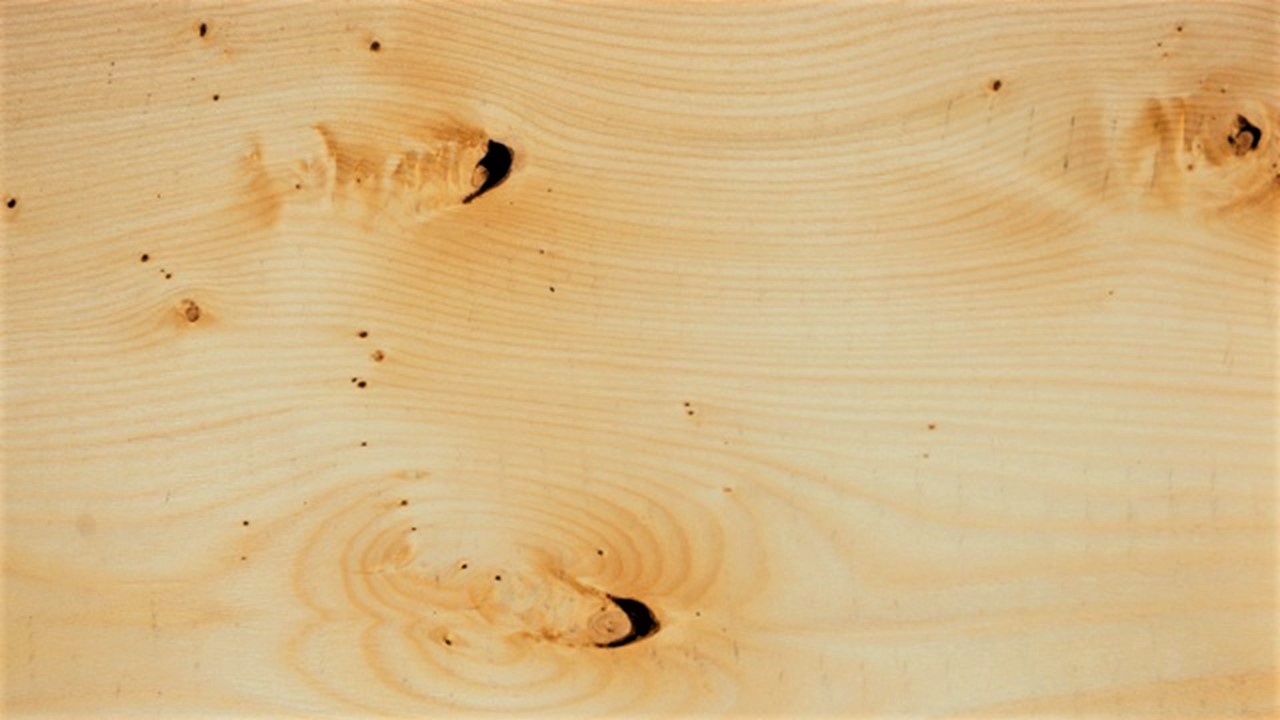
“[Huon pine] is of a fine white yellow, close grained, extremely light, is of a strong aromatic smell, and, when bit, conveys a hot pungent taste not unlike cloves.” – Extract from John Oxley’s 1809 account of Van Diemen’s Land.
Name
Huon pine is named after the Huon River, where it was first discovered.
Description
Huon pine has a distinctive smell, which comes from the large amount of methyl eugenol it holds. The chemical actually prevents it from rotting for hundreds – and sometimes thousands – of years.
The wood is easy to turn and carve, and rarely splits. It also has high buoyancy, which makes it ideal for boatbuilding.
Harvesting
Commercial harvesting of the wood began in the early-1800s.
It was once harvested by private operators along the state’s south-west coastline. The work was dangerous because it was carried out in all kinds of weather in small, flat-bottomed boats. It is not surprising, then, that several workers lost their lives.
The wood was also harvested, processed, and exported from the Macquarie Harbour Penal Settlement during its eleven years of operation.
Conservation
A large amount of wild Huon pine is protected within various reserves across Tasmania.
The Tasmanian Seed Conservation Centre plays an important role in the conservation of the wood. For example, it once collected an estimated 92,000 seeds from thirty-two trees in north-west Tasmania.
Fun fact
Huon pine is one of the world’s oldest living organisms!
In the cool temperate rainforests of Tasmania, individual specimens can live for more than 3,000 years.
Further reading