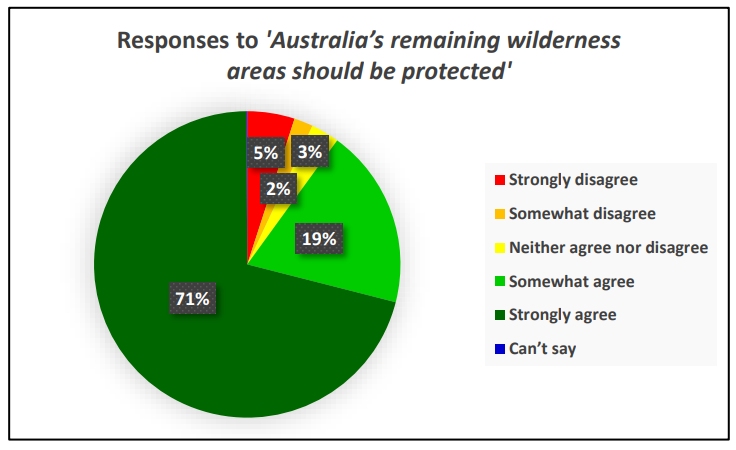
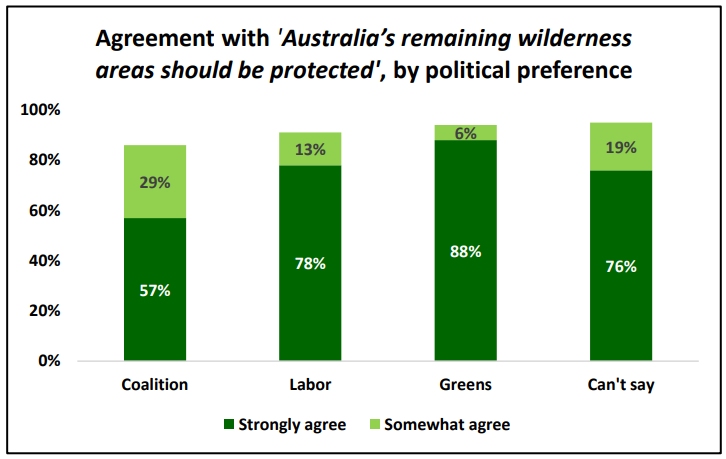
A new national poll has found 90 per cent of Australians support the protection of Australia’s wilderness areas.
Support in the Roy Morgan poll was high across the political spectrum, with 86 per cent of Coalition voters, 92 per cent of Labor voters and 94 per cent of Greens voters agreeing wilderness should be protected.
The poll – commissioned by wilderness researchers Martin Hawes and Grant Dixon – defined wilderness areas as large natural areas of land that have not been significantly modified by the impact or activities of modern society.
Hawes said the poll results sent a clear message to federal and state governments that Australians want to see wilderness protected.
“Australia is one of only five countries that contain over 70 per cent of the earth’s remaining wilderness outside Antarctica,” he said.
“Wilderness areas are vital to the ecological health of the planet. They play a major role in storing carbon, stabilising climate and protecting biodiversity.
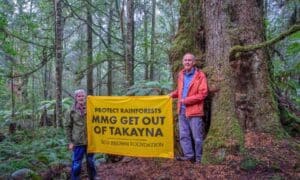
Yet wilderness in places like Tasmania’s takayna/Tarkine region remains unprotected and under threat.”
Hawes said the federal and state governments could dramatically improve the protection of Australia’s wilderness by restoring the national wilderness mapping program, updating the National Wilderness Inventory, and ensuring that wilderness values were included among the qualifying criteria for National Heritage listings.
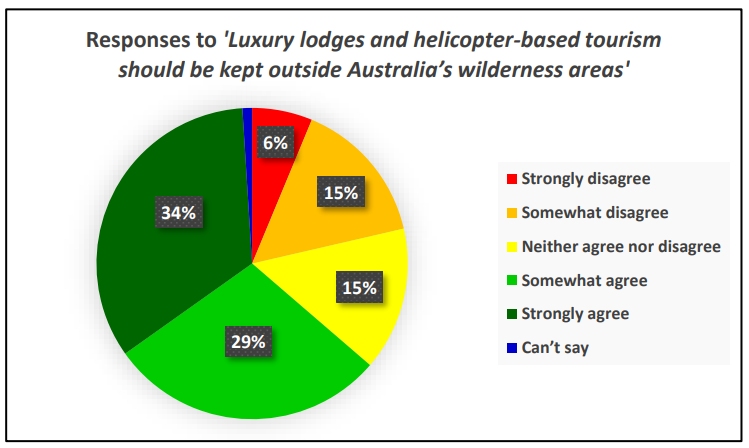
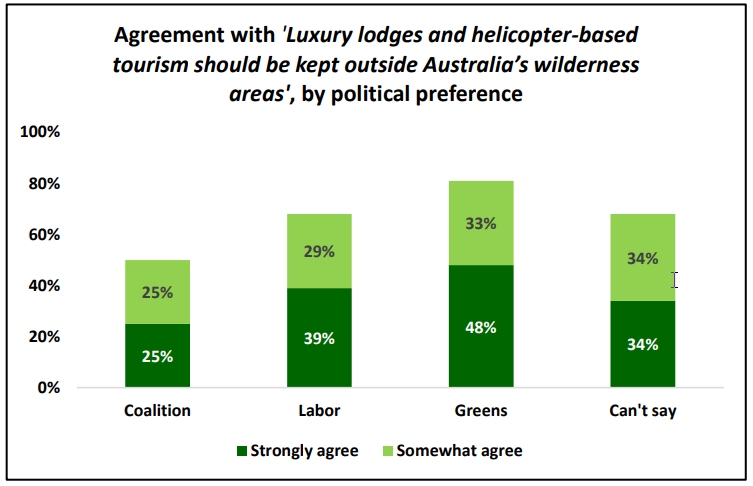
The poll found a majority of Australians oppose tourism developments in wilderness areas. Sixty-three per cent agree luxury lodges and helicopter-based tourism should be kept outside wilderness areas – three times the number who disagree.
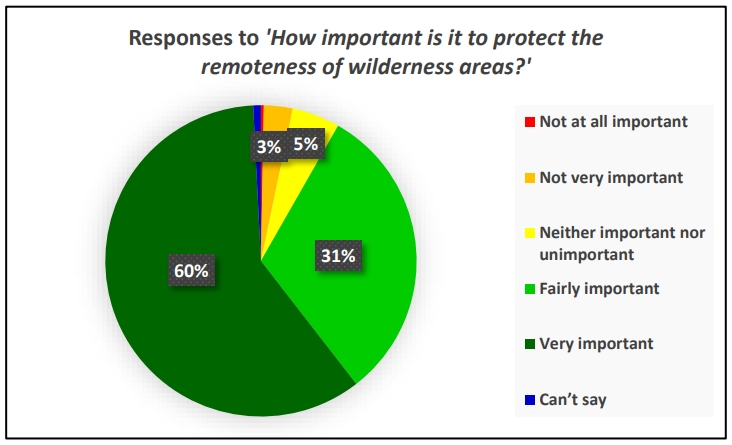
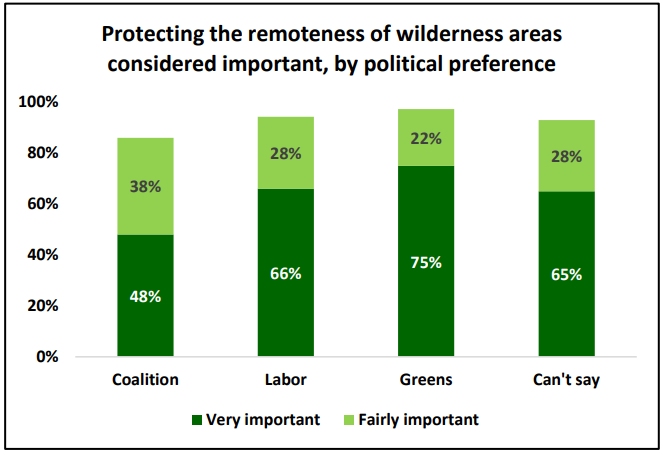
Ninety-one per cent agree it is important to protect the remoteness of wilderness areas.
Dixon explained that wilderness had experiential as well as Indigenous and ecological values. “Wilderness offers opportunities for potentially life-changing journeys in remote and challenging settings,” he said.
“Many people enjoy wilderness vicariously and appreciate that it exists, even if they never go there.”
Dixon cited a proposed tourism development at Tasmania’s remote Lake Malbena as an example of the kind of development that can degrade wilderness values.
“The proposal has met with a storm of protest from fishers, bushwalkers and other wilderness lovers,” he said. ‘
“By the Tasmanian government’s own calculations, the development would result in a loss of wilderness quality over at least 4200 hectares. Developments like this threaten to destroy the wildness and remoteness of our last wild areas.”
Detailed report on poll findings: http://bit.ly/WildernessSupportPoll2021
The questions were asked as part of an omnibus poll that was conducted online during the week ending 16 May 2021. Respondents were initially approached by email. The poll was completed by 1207 respondents aged 18 and upwards. It included questions on a range of demographic data including age group and region.
A web-based poll was selected in preference to a phone poll, as it gave respondents more time to
consider the introductory sentences and to decide their responses.
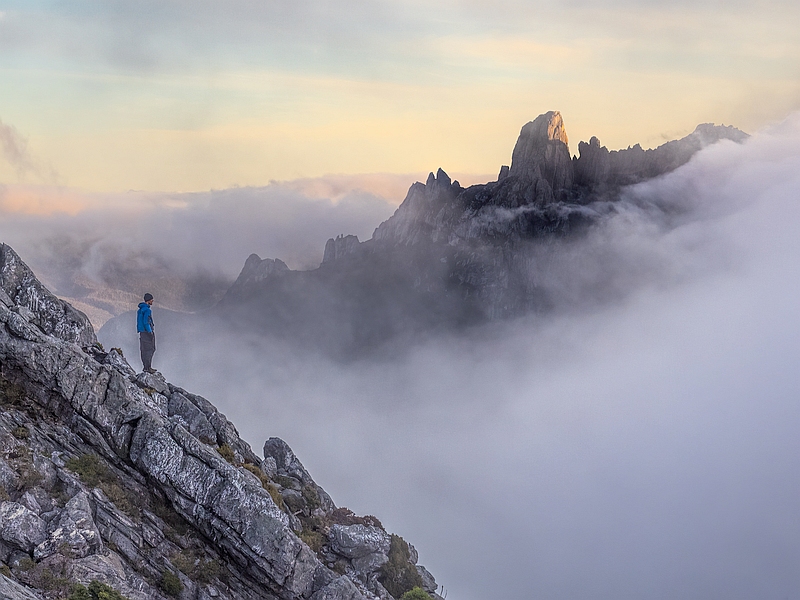
Featured image above: TWWHA, courtesy Martin Hawes.