Wine
Biodynamics Brings Sweet Success

When the morning air is filled with the sweet subtle aromas of dark fungal earth, there’s nothing quite like the smell of fresh biodynamic compost, says Derwent Valley winemaker Steve Lubiana.
Made on site according to principles and practices set down almost a century ago, it’s a special brew, laced with all manner of naturally derived substances, including decomposed horn manure.
For more than a decade, it has been a cornerstone of the successful cool climate wine business Lubiana and his wife Monique first began on their Granton property some 30 years ago.
“We took up biodynamic vineyard management during the winter of 2008,” Lubiana explains.
“A challenging, three-year conversion period followed and in 2013 we became Tasmania’s first fully certified biodynamic vineyard. With every vintage, we reap its benefits.”
Seldom one to bask in the limelight of success, the fifth-generation family winemaker is glowing on the inside at the moment. At the beginning of last week, Lubiana received news that his 2018 Estate Chardonnay had been awarded the Cullen Trophy for Wine of Show at the 2020 Australian Organic Wine Awards.
According to the Brisbane event’s chairman of judges, Ramon Arnavas, “the winners for our white and red categories, we feel, would be dominant performers in any national wine judging show.”
It’s not the first time Lubiana has enjoyed national or international recognition for the wines he has produced from his family’s biodynamic vineyard. Back in 2018, Steve and Monique were named producers of the World’s Best Biodynamic Wine at London’s prestigious International Wine Challenge.
It was the third year in succession the Granton couple had been awarded the event’s major trophy for sustainable wine production.

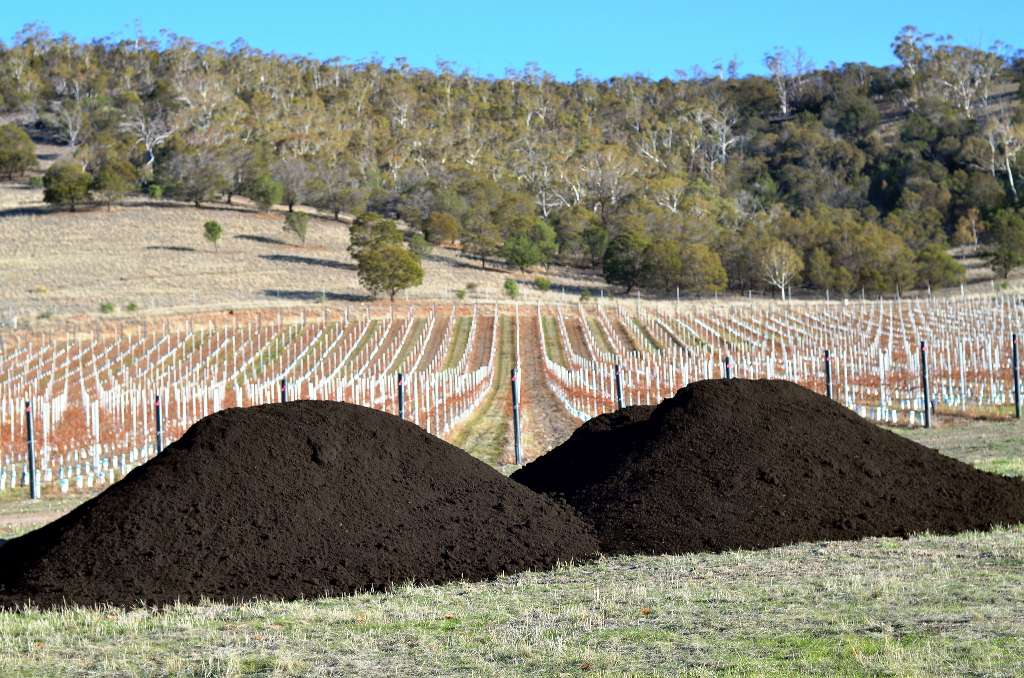
Biodynamic compost ready for site application. Image courtesy Mark Smith.
Often derided for its eccentricity and lack of scientific rationale, biodynamics has gained a significant foothold in our national wine industry in recent decades.
Indeed, Australia was an early adopter of biodynamics. Along with Germany, we lead the world in terms of the total area of land being managed by certified biodynamic practitioners.
According to at least one authoritative publication produced in 2020, biodynamics in Australia accounts for 20 percent of all certified biodynamic land use on the planet. Germany accounts for 34 percent.
Lubiana says it wasn’t the staunch support the movement has received from industry luminaries like Cullen Wines and Henschke that prompted him to begin his own exploration of biodynamics some 13 years ago. When he and Monique first moved to Tasmania in 1990, he brought with him a well-read copy of Rudolf Steiner’s seminal 1924 publication, simply entitled Agriculture.
“Biodynamics is essentially a special form of organic farming,” Lubiana explains.
“Its present-day expressions date back to the principles of farming and agriculture put forward by Austrian philosopher and educator, Rudolf Steiner.

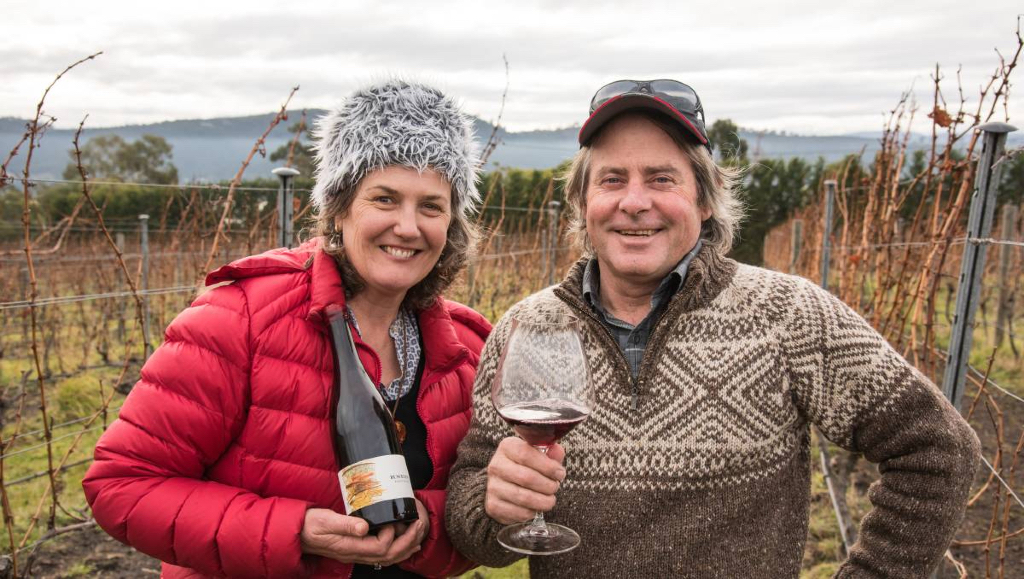
Steve and Monique Lubiana. Image supplied.
“But the origins are really much older than that. They’re based on farming practices devised centuries ago that took into account various lunar influences and the paths of the planets through the constellations. Today, we might call it ‘organics plus.'”
Biodynamic composting plays a critical role in Lubiana’s rigorous program of vineyard management.
“To be honest, the biodynamic preparations we use in our composting program aren’t really fertilisers at all,” he says.
“They’re actually bio-stimulants or homeopathic tonics. Essentially, we’re concentrating on feeding the soil rather than feeding each vine. We believe that if you work to get your vineyard and your soils into a really healthy state in terms of their structure and organic matter, then your vines will be able to access everything that they need for good nutrition all by themselves.
“Winter plays an important role in that process. It’s the time of the year when everything above ground stops, while everything below ground comes alive. It’s during winter that we concentrate on feeding all of the fungi and microbial populations that live in the soil underground.
“Our aim is to get the biology of the soil active and flourishing in ways that are entirely natural. To me, that’s far more preferable than doing what often takes place in conventional viticulture – essentially working with mineral salts and simply force-feeding them to your vines.”
Lubiana says that after more than a decade of biodynamic management, his vineyard is now greener and healthier than ever.
“Rather than being brown and dusty and dry, as they were when we first planted here almost 30 years ago, our soils are now more fertile and full of life,” he observes.
“They have more humus, better water-holding capacity and better porosity. These are all beneficial to the environment as well as contributing to the long-term sustainability of our business.”
ADVERTISEMENT – ADVERTISEMENT – ADVERTISEMENT


Lubiana city bound
So what are the benefits of biodynamics for the average Tasmanian consumer?
Steve and Monique Lubiana believe the proof lies in the eating and drinking of biodynamically produced wine and food. That’s the thinking that lies behind the successful operation of Stefano Lubiana Wines’ Cellar Door and Vineyard Larder.
Open for wine tastings from Wednesday to Sunday, the couple’s buzzing and welcoming facility overlooking the River Derwent also serves food in-house each Friday, Saturday and Sunday.
The Vineyard Larder offers a small and rustic menu that is reminiscent of the simple, country-style eateries you’d find dotted all throughout Europe.
Together, the two Granton operations shine a spotlight on organic and biodynamic food and wine.
“We grow some biodynamic produce onsite and source the remainder from the highest quality suppliers, organic where possible,” says Monique Lubiana.
“It’s produce from Tasmania and from around the world.”

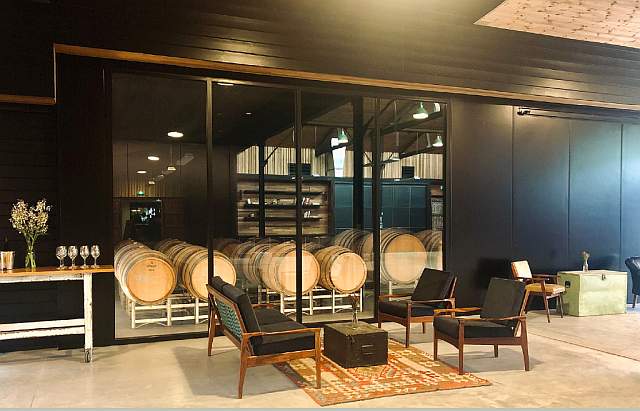
Cellar door, Sailor Seeks Horse. Image supplied.
Those aspirations clearly resonated with the judges who provided input to the annual Gourmet Traveller WINE Best Cellar Door Awards. Earlier this month, Australia’s best known, independent drinks journal named Stefano Lubiana Wines Southern Tasmania’s Cellar Door with Best Food.
This year marked the release of the publication’s tenth annual Best Cellar Door Awards.
Stoney Rise’s impressive new developments at their Gravelly Beach home base in the Tamar Valley were named Star Cellar Door in Northern Tasmania.
In Southern Tasmania, the Star Cellar Door moniker was awarded to Sailor Seeks Horse. The small-scale, artisan wine producers operate their winery and smart tasting facility at the Port Huon Cannery in the Huon Valley.
Six additional wine producers in Northern Tasmania were included in a range of award categories. They were Josef Chromy Wines, Priory Ridge, Jansz Tasmania, Velo Wines, Holm Oak Vineyards and Swinging Gate Vineyard.
Seven winners in Southern Tasmania were announced alongside Sailor Seeks Horse. They were Frogmore Creek, Home Hill Winery, Pooley Wines, Glaetzer-Dixon Family Winemakers, Devil’s Corner and the afore-mentioned Stefano Lubiana Wines.
Not content to sit on their award-winning laurels, Steve and Monique Lubiana have yet another innovative project on the drawing board. Last month, the couple submitted a development application to the Hobart City Council, outlining their intentions to transform vacant premises at 23-25 Melville Street into a city wine shop and wine bar.
The application details renovation and redevelopment work needed to bring the $300,000 project to fruition on the heritage-listed site.


Site of proposed Stefano Lubiana Wines city wine store. Image courtesy Google Maps.
“We hope to make a start over winter and open in time for summer trading,” says Steve Lubiana.
“There’s a lot to do. We hope it will become the pre-eminent wine shop for Hobart. We plan to stock a really good selection of Tasmanian, Australian and international wines. As Chardonnay and Pinot Noir producers ourselves, we’d like to be able to offer patrons a range of similar wines, sourced from all around the world.
“We’re also looking to offer good examples of classic international wines from Barolo, Burgundy and even California.”
Sixth-generation winemaker Marco Lubiana will play a key role as wine buyer for the development being proposed by his parents.
Watch this space for further news.
Hobart’s Mark Smith wrote his first weekly wine column back in 1994. Now more than 1700 features and 25 years later, he continues to chart the successes of Tasmania’s small scale, cool climate wine industry with regular contributions to some of Australia’s leading industry publications.
PICK OF THE CROP


NV Jansz Tasmania Limited Edition Premium Rosé $30
Tasmania dominates the premium sparkling wine market in Australia. That’s not just due to the State’s cool climate, it reflects the diversity of vineyards, viticulture and winemaking that contribute to sparkling wine production. Jansz Premium NV Rosé is a market leader, created from top-notch Pinot Noir and Chardonnay. It’s as reliable as a Swiss watch. Gentle red fruits behind this special release have verve and freshness, with a creamy texture and good length of flavour helping shape the palate. I like the wine more than its packaging. www.jansz.com.au
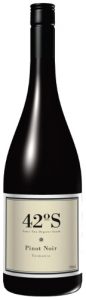

2020 42ºS Pinot Noir $32
Good quality, entry-level Pinot Noir was a pipe dream a decade or so ago. Ninth Island aside, few Tasmanian brands offered consistent quality in the local tourist market. But times change, and so have our viticulture and winemaking. This 2020 release is the best to date from the team at Frogmore Creek. Rich and juicy, in typical Coal River Valley style, it offers the black cherry and dark plum flavours, typical of the district surrounding Richmond. Fine ripe tannins and well-balanced acidity make it a smart choice for casual, everyday drinking. www.frogmorecreek.com.au
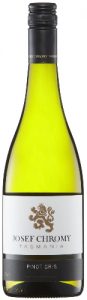

2020 Josef Chromy Pinot Gris $30
Pinot Gris is the white of choice for many consumers these days, but so much of it is dull and forgettable. Josef Chromy has worked hard over the years to develop a distinctive, textural style, and even in tricky vintages the results are pleasing. This wine continues that tradition. Yes, it’s a middleweight with a dab of sweetness, but there are lovely flavours too – ripe pear, stone fruit and a certain spiciness, suggesting lychee. The wine travels smoothly across the palate, to finish with a persistent aftertaste. A light chill makes it table ready. www.josefchromy.com.au
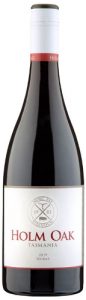
2019 Holm Oak Shiraz $40
Winemaker Bec Duffy and her viticulturist husband Tim are among the quiet achievers of the Tasmanian industry. The couple has worked tirelessly to create an attractive cellar door, replete with high quality and distinctive Tamar Valley wines. This smart Shiraz comes from their warm Rowella site. It showcases spicy/peppery raspberry and red cherry fruits, together with a well-structured melange of vanillin oak character, fine ripe tannins and lingering natural acidity. Its elegance gives it current drinkability, but medium-term cellaring should add roundness and complexity. The final result will be worth the wait. www.holmoakvineyards.com.au
ADVERTISEMENT – ADVERTISEMENT – ADVERTISEMENT

