Wine
Vineyard Dark Horse Breeds Thoroughbred Character

Every picture tells a story.
Dornfelder is not your average cool climate wine grape.
The heavily-stained hands that appear each vintage provide ample proof of that, says Winter Brook co-owner Nicole Huisman.
“Our 2019 Dornfelder was the darkest wine I’ve ever seen,” adds Mewstone winemaker Jonny Hughes.
“I know it was a bit of an exceptional year in the north of the state, but the colour of that wine was off the charts. It gave a whole new meaning to the word ‘dark.'”
Based at opposite ends of the state – Huisman in the Tamar Valley and Hughes in the D’Entrecasteaux Channel – the pair represent a small but growing number of Tasmanian wine producers that have decided to add something a bit different to their red wine portfolios.

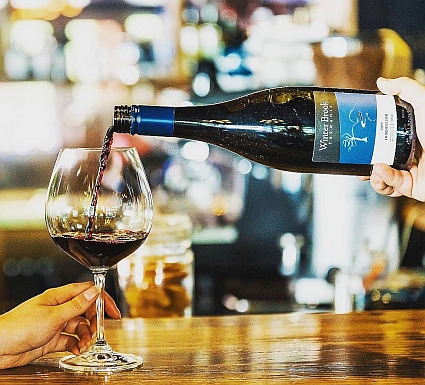
Winter Brook Dornfelder pour. Image supplied.
Created in a vine-breeding facility in the German state of Baden-Württemberg in 1955, Dornfelder certainly meets that brief. And it is by nature much different from the red wine varieties that provide the bulk of this state’s 2000-plus hectares of vines.
It came into being following a sequence of successful crossings of vines in the Vitis vinifera family that began in the late 1920s and early 1930s.
The variety’s dark, thick-skinned grape berries make Dornfelder well-suited to producing red wine blends with plenty of colour. Rich flavour profiles, smooth textures and attractive berry aromatics enable many wines to be bottled early and marketed for immediate consumption.
Huisman and her husband Frank moved to northern Tasmania in 2010. Formerly resident in the bustling European city of Amsterdam, the couple bought a small hobby vineyard at Loira, north of Launceston, to begin new lives as cool climate wine producers.
“Coming from the Netherlands, we were already familiar with Dornfelder and its potential for making good quality red wines that go very well with gamey meats and earthy foods,” she says.
“When we tried the Dornfelder from Robin and Phil Dolan’s White Rock Vineyard at Kimberley, we got pretty excited about the idea of planting it. We’d previously thought the variety was not available in Australia.
“We have 2.5ha of Dornfelder at Winter Brook. The variety is a good match for the Grüner Veltliner and Blaufränkisch we’ve also established. We intend to plant Zweigelt as well. All are grown in Germany, Austria and Switzerland.”
Like the Huismans, Hughes’s connection to the exotic German red grape came via White Rock, 30 kilometres south of Devonport. Phil Dolan says his vineyard there was established in 1992 as part of a 14ha hobby farm.
“We planted Chardonnay and Pinot Noir, then added Pinot Gris and Riesling,” he recalls.
“Years later, we had some customers from Germany visit us. They suggested we produce another red wine in addition to Pinot Noir. They went on to tell us about the popularity of Dornfelder in their home country.”

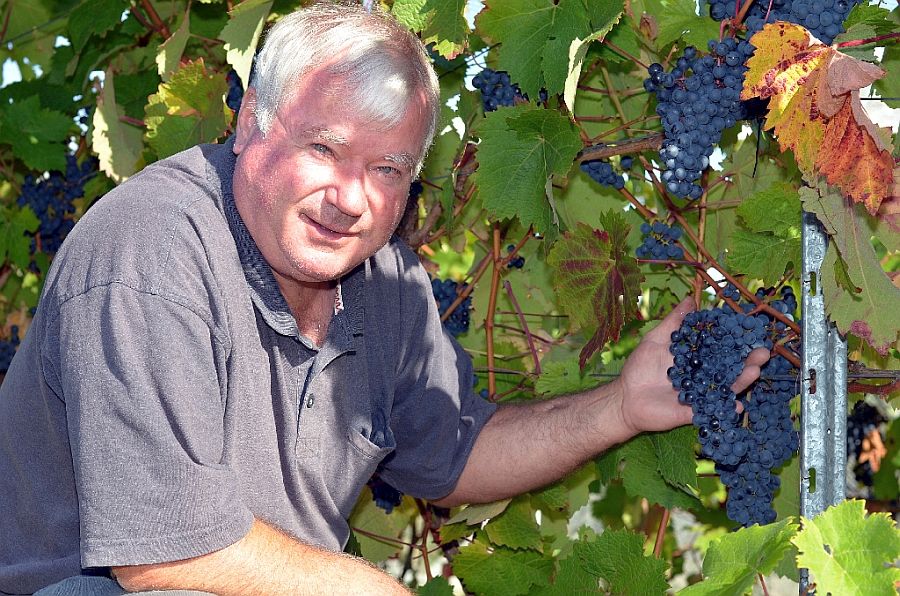
Phil Dolan with his Dornfelder vines. Image credit: Mark Smith.
A family holiday in Europe visiting grandchildren provided an ideal opportunity to explore Germany’s Mosel Valley. Phil Dolan knew the region was world-renowned for outstanding white wines, largely produced from Riesling. Its Dornfelder wines were much more of a mystery.
“Most of the reds we tasted and enjoyed there were produced from the variety,” Dolan says.
“Where many traditional varieties made very pale and light-bodied red wines in the cool German climate, Dornfelder had developed a following because it produced wines that were international in style. Wines with more colour and flavour.”
A subsequent visit to a vineyard growing Dornfelder in Kent in southern England suggested there was potential for the variety to succeed in Tasmania’s slightly warmer maritime climate.
As well as spending time researching Dornfelder’s viticultural habits, the Dolans had to search far and wide for planting material. They eventually found it in South Australia’s Riverland.
In 2009, the Kimberley couple planted 400 vines of their vineyard dark horse. A small quantity of rich, velvetty wine labelled Dawn Red was created from the warm 2013 vintage. In June 2014, it won a gold medal and Trophy for Best Other Red at the International Cool Climate Wine Show held on Victoria’s Mornington Peninsula.

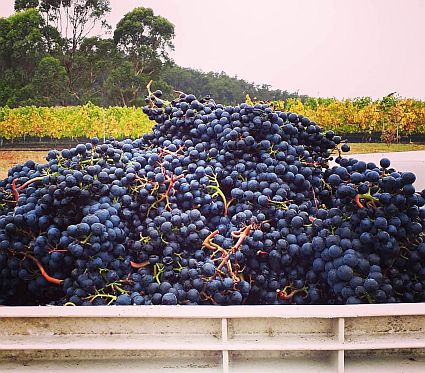
Winter Brook Dornfelder harvest. Image supplied.
Contract winemaker Alain Rousseau has vivid recollections of that first vintage… literally.
“The bunches had such massive berries that you could get better colour from them than you could get from any Shiraz then being grown in Tasmania,” he exclaims.
“It makes a beautiful wine. You just need to make sure you don’t over-crop it in the vineyard.”
Five vintages and several vineyard expansions later, the Dolans began selling their Dornfelder fruit to Mewstone Wines. It finds its way into the Hughes & Hughes range of wines. Crafted from fruit sourced beyond the vineyard Jonny and Matt Hughes own south of Hobart, these are small batch, cutting edge products. They provide rare opportunities to explore wine styles and techniques that challenge convention and break with tradition.
“As well as a stand-alone varietal red wine, we’ve made three vintages of pretty interesting wines from various blends with Chardonnay, Riesling, Sauvignon Blanc, Merlot and Pinot Noir,” Hughes says.
“A large part of the appeal of Dornfelder is its versatility. We plan to use a far bit of it in 2021 to make our naturally-fermented Pét-Nat sparkling wines.
“The wine style has become especially popular in Australia and Dornfelder is ideally suited to making it. It’s a high acid, low pH variety with great colour that develops its distinctive fruit flavours at fairly low sugar levels. You end up with Pét-Nat wines that have real vibrancy and quite low alcohol. They’re big plusses in today’s wine market.”
ADVERTISEMENT – ADVERTISEMENT – ADVERTISEMENT

Happy birthday, Riesling
Success can be fleeting in the wine world, but not so for Germany’s most celebrated wine grape, Riesling.
Today, March 13, sees the much-loved white wine variety celebrating its 586th birthday.
The date is derived from the earliest documented mention of Riesling in an invoice dated March 13, 1435. On that day, Count Johann IV of Katzenelnbogen purchased Riesling vines for a vineyard he was planting alongside his fort at Rüsselheim, nowadays part of the wine region of Rheingau.
By the late 15th and early 16th century, Riesling had acquired nobility in its own right, making its way into the Rheinhessen and Pfalz wine regions. Today, the variety helps shape the character of each one of Germany’s 13 wine regions.

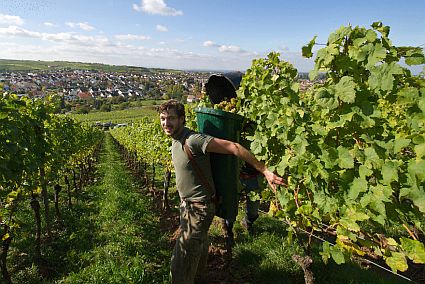
Riesling harvest, Germany. Image courtesy German Wine Institute.
Riesling grows in almost a quarter of all vineyards in the country, according to industry body Wines of Germany. Indeed, those 23,000ha of vines account for 45 percent of all Riesling grown on the planet.
The variety may have been a vintage hero in Tasmania in 2020, but Riesling’s stocks are in decline here. When vineyards at Pipers Brook and Bream Creek were established in 1974, the variety was the dominant white grape in the State.
Today, Riesling accounts for less than 10 percent of Tasmania’s total vineyard area.
Industry veterans like Fred Peacock remain steadfast fans of the Germanic variety. He’s been a witness to almost 40 Tasmanian vintages.
“Our vines are older now, vineyard management and winemaking techniques have changed over the years, and our understanding of what makes top cool-climate wines has greatly improved,” Peacock says.
“People are trying different things nowadays, working with small batches and pushing boundaries. But in spite of all that, Riesling is still one of Tasmania’s best wine varieties.
We pick on flavour alone at Bream Creek. That’s something that’s very special about what we do so well here.
“Unlike acid, tannin, oak and many other wine components, fruit flavour is something that can’t be added or manipulated. That’s where Riesling has been a part of our success. It’s where Tasmania’s real advantage lies.”
Happy birthday, Riesling.


Hobart’s Mark Smith wrote his first weekly wine column back in 1994. Now more than 1700 features and 25 years later, he continues to chart the successes of Tasmania’s small scale, cool climate wine industry with regular contributions to some of Australia’s leading industry publications.
PICK OF THE CROP
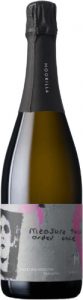

2019 Moorilla Praxis Sparkling Riesling $29
Moorilla’s Sparkling Riesling has developed a cult following in recent years, underscoring the German variety’s superb versatility in Tasmania’s cool maritime climate. The Tamar Valley has a wonderful track record for producing Riesling. This Praxis wine starts life there at Moorilla’s St Matthias Vineyard. The variety’s hallmark floral and lime/citrus characters contribute real verve and freshness, while the wine’s gentle fizz make it a great after-work or weekend pick-me-up. Grab a Triple Pack for $75. www.moorilla.com.au
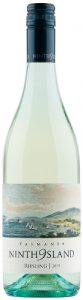
2019 Ninth Island Riesling $25
This year marks the 30th anniversary of Kreglinger’s popular Ninth Island brand. Over that period, it’s given sterling support to the company’s sparkling and flagship Pipers Brook wines. That said, this 2019 Riesling is a star performer in its own right, winning a gold medal and trophy at the 2020 Tasmanian Wine Show. It should cellar well. Right now, it offers juicy, mouth-watering limey fruit, framed by lively acidity and regional minerality. Shop around. It’s often discounted. www.kreglinerwineestates.com
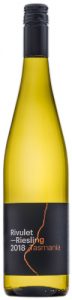

2018 Rivulet Riesling $38
Talented winemaker Keira O’Brien hit the ground running with her small volume Rivulet brand almost two years ago. Oddly enough, this gold medal winner from the 2020 Tasmanian Wine Show is still available online and at select retailers. Re-tasted last week, it’s a superbly crafted wine, produced from Riesling grown at Bream Creek. It remains at the top of its game. An engaging spicy character sits comfortably alongside clear-cut lime/citrus flavours, making it eminently drinkable now with Asian fare. A keeper, too. www.rivuletwine.com
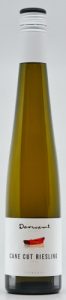

2016 Derwent Estate Cane Cut Riesling 375ml $30
Wherever it’s grown in the world, Riesling thrives when it overlooks a wide expanse of river frontage. It’s no surprise then that vineyards in Tasmania’s Derwent Valley have had remarkable success with the classic European grape across a range of wine styles. This delicious, non-botrytis sweet wine from the Hanigan family is a rich, delightfully honeyed drop that can be enjoyed with cheese and fruit or served chilled as an indulgent aperitif. Peak condition at 5 years of age.
ADVERTISEMENT – ADVERTISEMENT – ADVERTISEMENT

