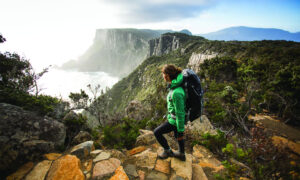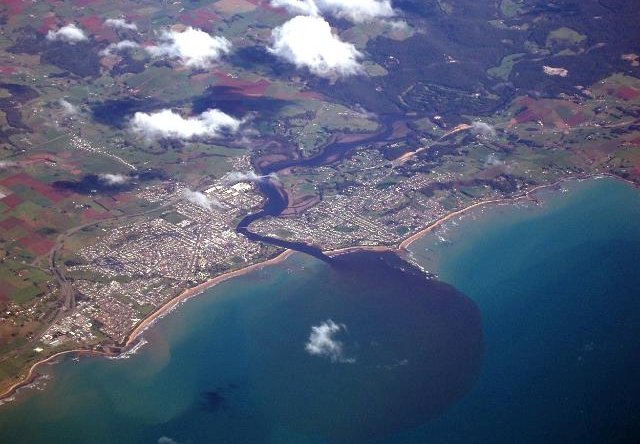
A travel website has today revealed the top trending destinations in Tasmania as a part of their Future of Travel report.
The report uncovers the top trends that will shape travel in the year ahead, using new research on all types of travellers from around the world. From travellers looking for a heightened level of travel safety and more sustainable travel offerings, as well as a newfound appreciation for doorstep delights, this is a peek into the way we experience travel in 2021 and beyond.
Top 10 Regional Tasmania Destinations
- Cradle Mountain
- Coles Bay
- Ulverstone
- Bicheno
- Swansea
- Strahan
- St Helens
- Port Arthur
- Stanley
- Binalong Bay
*Most searched non-metro destinations with a search rank increase of over 5 places year on year by Australian users during the days 2020-11-02 to 2020-11-08. It compares this with the same days in 2019.
Luke Wilson, Area Manager for Australia at Booking.com, said: “For Australia, the impact the pandemic has had on travel has been keenly felt. While the future of international travel remains uncertain, the ability to explore our own backyard continues to bring moments of joy and inspiration, whether through dreaming and planning, or cherishing the trips we have been able to take.
“As restrictions continue to ease in Tasmania, we can see holiday planners are getting ready to rediscover travel in their own state backyard. Recent Booking.com data from our Future of Travel campaign specifically revealed Cradle Mountain was the most searched destination in TAS, followed by Coles Bay and Ulverstone*.”
Future of Travel
Meanwhile the Future of Travel reports findings from over 20,000 travellers across 28 countries*, including 995 from Australia, revealing five predictions for the future of travel.
With few facets of our lives unchanged by the impact of the Covid-19 pandemic, travel too will be forever re-shaped. Innovation within the travel industry will accelerate faster than ever. Travellers will look for a heightened level of travel safety and more sustainable travel offerings, as well as evolve their preferences.
1. BYE BYE 9 TO 5
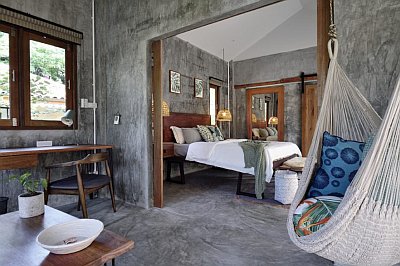 Working remotely has irreversibly entered the mainstream during the pandemic with the knock-on effect that people will look to take longer trips in the future that more effectively combine work and pleasure. Over a third (34%) of Australian travellers have already considered booking somewhere to stay in order to work from a different destination, while two in five (43%) would be willing to quarantine if they could work remotely.
Accommodations will prioritise showcasing home office facilities in an attempt to attract this new wave of digital nomads. Likewise, the world of corporate travel will see increasing demand for privacy, cleanliness and longer stays among those travelling for business, requiring alternative accommodations to up their ‘work-friendly’ game. While companies will undoubtedly reassess approach to business travel in the future, workers will continue to maximise the trips they do take, with half of Australian travellers (50%) saying they would take the opportunity to extend business trips to enjoy leisure time at the destination.
2. IMPACT AWAKENING
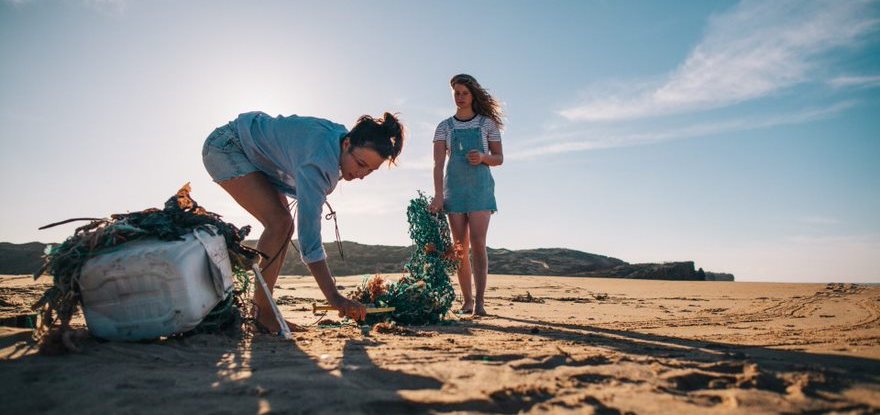
With 41% of Australian travellers wanting to travel more sustainably in the future, we expect to see a more eco-conscious mindset, as Covid-19 has increased consumer’s awareness about responsible choices. Two-thirds (62%) expect the travel industry to offer more sustainable travel options and travellers will consequently visit alternative destinations in a bid to avoid travelling during peak season (52%) and overcrowding (50%). Additionally, Covid-19 has inspired more than half (52%) of travellers to consider reducing waste and/or recycling their plastic when travelling again.
Travellers believe that the industry must adapt to this sustainable mindset by offering more attractive off-season travel packages (47%) and proposing alternative destinations to prevent overcrowding (32%). Over two-thirds (68%) of Australian travellers indicate that they want their travel choices to also support the destination’s recovery efforts, and more than half (54%) want to see how their money is going back into the local community.
3. Tech Spontaneity
Tech innovation will adapt to a new type of traveller and play a crucial role in rebuilding traveller confidence. Already, six in ten Australian travellers agree that technology will be important in controlling health risks when travelling and three in five (61%) say that accommodations will need to use the latest technologies to make travellers feel safe. Almost half (46%) will want tech options to make last-minute restaurant reservations and about the same amount (48%) will want more self-service machines instead of ticket desks. 47% are also excited about tech’s potential to further personalise their travel experiences in the future.
The innovations we’ll see next will bring even more change, with enhanced online experiences influencing future travel behaviour and planning. Almost three in ten (29%) would feel more comfortable about going to an unknown destination if they could scout it beforehand using virtual reality (VR).
4. VITAL VALUE
The financial legacy of Covid-19 will inevitably see people demand more bang for their buck in the future. 63% of Australian travellers will be more price conscious when it comes to searching and planning a trip in the future and 53% are more likely to hunt down promotions and savings, behaviours that we predict will last years.
But the value consumers expect will go beyond price tags, three-quarters (74%) stated they want travel booking platforms to increase their transparency about cancellation policies, refund processes and trip insurance options. Furthermore, 51% consider refundable accommodation a must-have for their next trip, as do almost half (38%) when it comes to the flexibility to change dates without being charged. Travellers are keen to support the industry in its recovery (71%) and want their future bookings to help rebuild communities around Australia and the world (68%).
5. SAFETY CLEANS UP
Almost three in four Australian travellers (74%) will take more precautions due to Covid-19 and will look to the travel industry to help them gear up for this new normal. 65% of travellers will avoid certain destinations (rising to 67% of Baby Boomers), and 72% expect tourist attractions to adapt to allow for social distancing. At the same time, 65% will only book a particular accommodation if it’s clear what health and hygiene policies it has in place.
Short-term there will also be a change in transport preference and provisions. Just as we have become accustomed to travelling without liquids in our carry on luggage and removing shoes to go through airport security, 62% will accept travelling to destinations that have health spot checks on arrival and 42% will accept wearing a mask in public. Quarantine measures will remain less popular with far fewer (27%) travellers willing to accept these in order to travel to a particular destination.
*Research commissioned by Booking and conducted among a sample of adults who have traveled for business or leisure in the past 12 months, and must be planning to travel in the next 12 months (if/once travel restrictions are lifted). In total 20,934 respondents across 28 countries were polled (including from 999 USA, 496 from Canada, 497 from Mexico, 997 from Colombia, 999 from Brazil, 499 from Argentina, 995 from Australia, 499 from New Zealand, 999 from Spain, 996 from Italy, 996 from France, 999 from UK, 996 from Germany, 498 from Netherlands, 499 from Denmark, 499 from Sweden, 498 from Croatia, 1001 from Russia, 498 from Israel, 997 from India, 994 from China, 499 from Hong Kong, 497 from Thailand, 496 from Singapore, 499 from Taiwan, 997 from South Korea, 500 from Vietnam and 995 from Japan). Respondents completed an online survey in July 2020.