It didn’t take long to realise traveling those endless highways, only wheel chairs or cyclists would overtake us.
“What’s your problem?” he asked. “There’s no hurry: we have three months!”
There were nine of us in a converted former mail bus touring interstate; what now was obvious half had not really thought this holiday through, or considered impact, of two extra companions. One came on a series of casseEes, the voice of Charlie Pride, the other a petrol sniffing Iger.
Every day started and ended with Charlie Pride, as the camper rolled out every morning so did his music. Over and over for three months, Crystal chandeliers serenaded sparkling salt lakes, hail storms, hot pastry from brown paper bags, and slabs of watermelon on dusty red roads. ALer another long day of driving he would casually say, “Enough singing for today Charlie.”
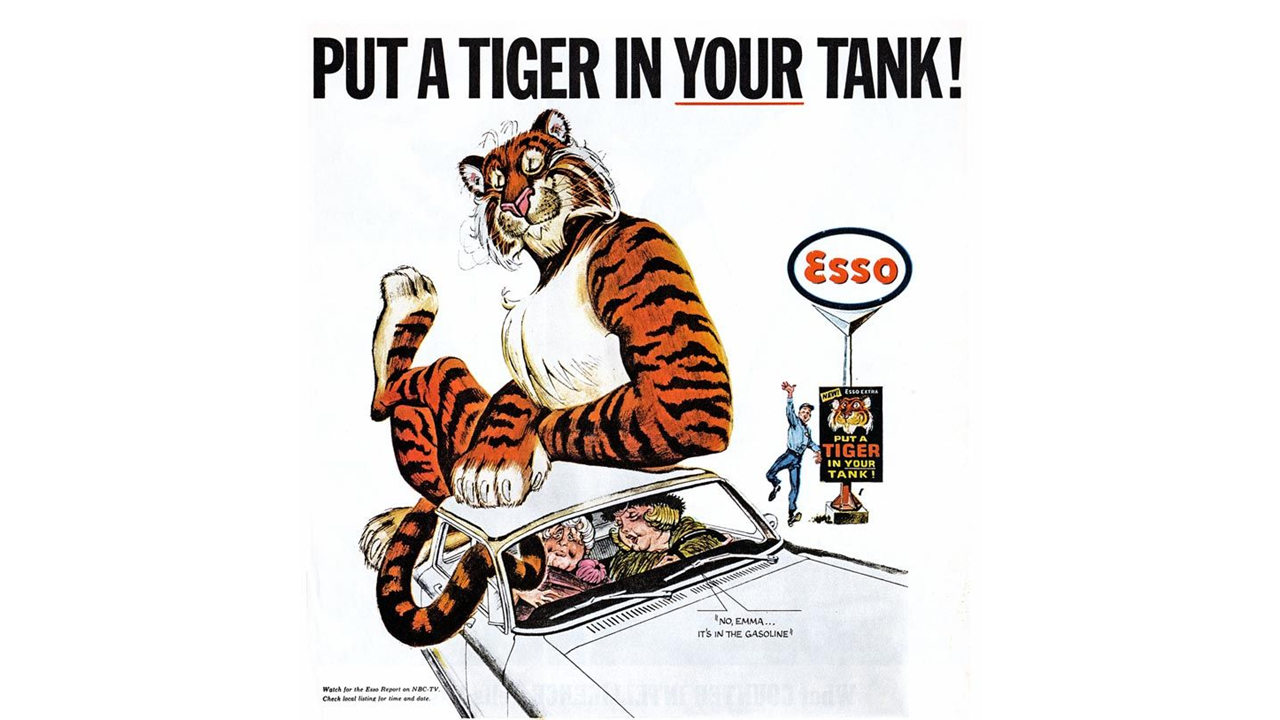
Driving all day every day meant petrol use and its cost was a daily topic. It was the late sevenIes, and compeIng oil companies were fighIng for market control. The winning company’s slogan proved to be contagious and was promoted everywhere. “Put a Iger in your tank” lurked in all places, and these Igers claimed a persona of their own. At the petrol pump a quaint new language was adopted. “Fill’er full with Iger, mate.”
When other travellers asked “How’s ya camper traveling?’, his answer came easy and informaIve. “Go’s-well. It’s-goEa-a- Iger-in-the-tank.”
When the voice on the casseEe became too much, I would don my dark sunglasses and sneak up the back grateful for sleep, unaware our thirteen-year-old was throwing notes from a window, ‘Save me, save me.’
Permanently behind the wheel, he would listen for the harmony of rubber burning on bitumen. Changing gear he would revel with the feel of power needed for the road ahead. When red dust billowed, he’d comment, ‘Wonder how Ole Charlie feels, about dust on his chandeliers?’ Totally content, we’d hear him murmur as he felt the pull of power needed, for yet another hill, ‘Good on ya, Tiger.’