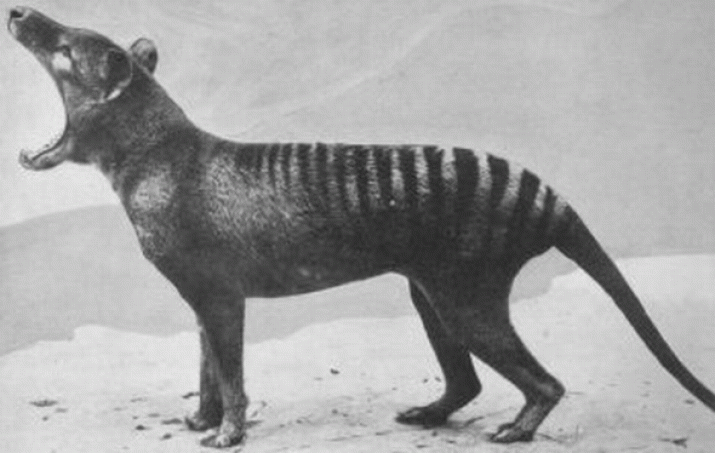
Images of the lost, and natural history museums themselves, are compelling because they store a cultural memory of which animals are a part. What is lost with the thylacine is not the icon, who survives in his forty-three seconds of immortality, or the image, which is easily preserved, or even the body, be it taxidermied or 3D-printed. What is lost is a part of what it meant to be alive in 1936. There is a loss of unexplored potential, the understanding of thylacineness, of another animal’s being. The disappearance of an animal radically affects our experience of place and time. Visiting the image is a way of paying my respects to a very human regret.
*Jennifer Mills is the author of two novels, Gone and The Diamond Anchor, and a collection of short stories, The Rest is Weight. Her work has received wide critical acclaim and won numerous awards both nationally and internationally. In 2012 she was named a Sydney Morning Herald Best Young Australian novelist. She lives in regional South Australia and is currently the fiction editor at Overland.