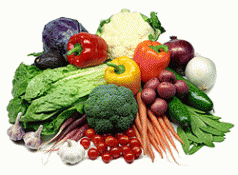
The Tasmanian Greens are calling for an investigation into the prices supermarkets are paying Tasmanian farmers for fresh produce, amid growing concerns nationally that producers are being drawn into a “commodity trap”.
Greens Primary Industries spokesperson Kim Booth MP said he shares the concerns of Senator Nick Xenophon and others in the Federal Parliament that supermarkets are taking advantage of farmers and consumers, making huge profits by paying small amounts for produce and drastically marking up prices, but added that we must not rush to any conclusions about the best solution to the problem.
Mr Booth today called on the Primary Industries Minister Bryan Green to investigate the issue, engage with the public to develop a state position, and prepare a submission for the Senate Economics Legislation Committee.
“Primary producers are entitled to fair prices for their produce and consumers deserve access to affordable fresh produce,” Mr Booth said.
“The problem is that there’s no reliable way of knowing how much prices are being marked up between the farm gate and the supermarket shelf.”
“The CPI index for the June quarter records a rise in fruit prices, a drop in vegetable and milk prices but it appears there is no information available as to how much these prices reflect what goes into farmers’ pockets.”
“The Australian Competition and Consumer Commission still appears unwilling to thoroughly investigate the raw deal farmers and consumers are getting.”
“Access to affordable and locally grown fresh produce is fundamental to good nutrition, and was the number one goal for Tasmania Together, which is why the Minister must now act.”
“The Greens are calling on the Minister to launch an investigation into fresh vegetable prices in Tasmania to inform a state submission to the Senate committee investigating this issue.
“The two major supermarket chains Coles and Woolworths simply have too much power, and we must ensure that they don’t abuse their power by transferring excessive risk or unexpected costs onto their suppliers, the farmers.”