When Sumu first arrived in Australia, she was afraid to go to school. She could not speak much English and did not know what to expect. Walking into a classroom full of unfamiliar faces felt overwhelming.
“I was scared to attend Australian schools at first,” she recalled. “But when I knew schools provide language support, I felt relieved.”
Sumu’s story is not unique. For many young people from refugee backgrounds, school is more than a place of learning. It is often the first space where they begin to rebuild a sense of belonging, confidence, and hope for the future.
My research with Bhutanese adolescent refugees in Australia shows a clear pattern: schools can make the difference between feeling excluded and feeling at home.
More than learning English
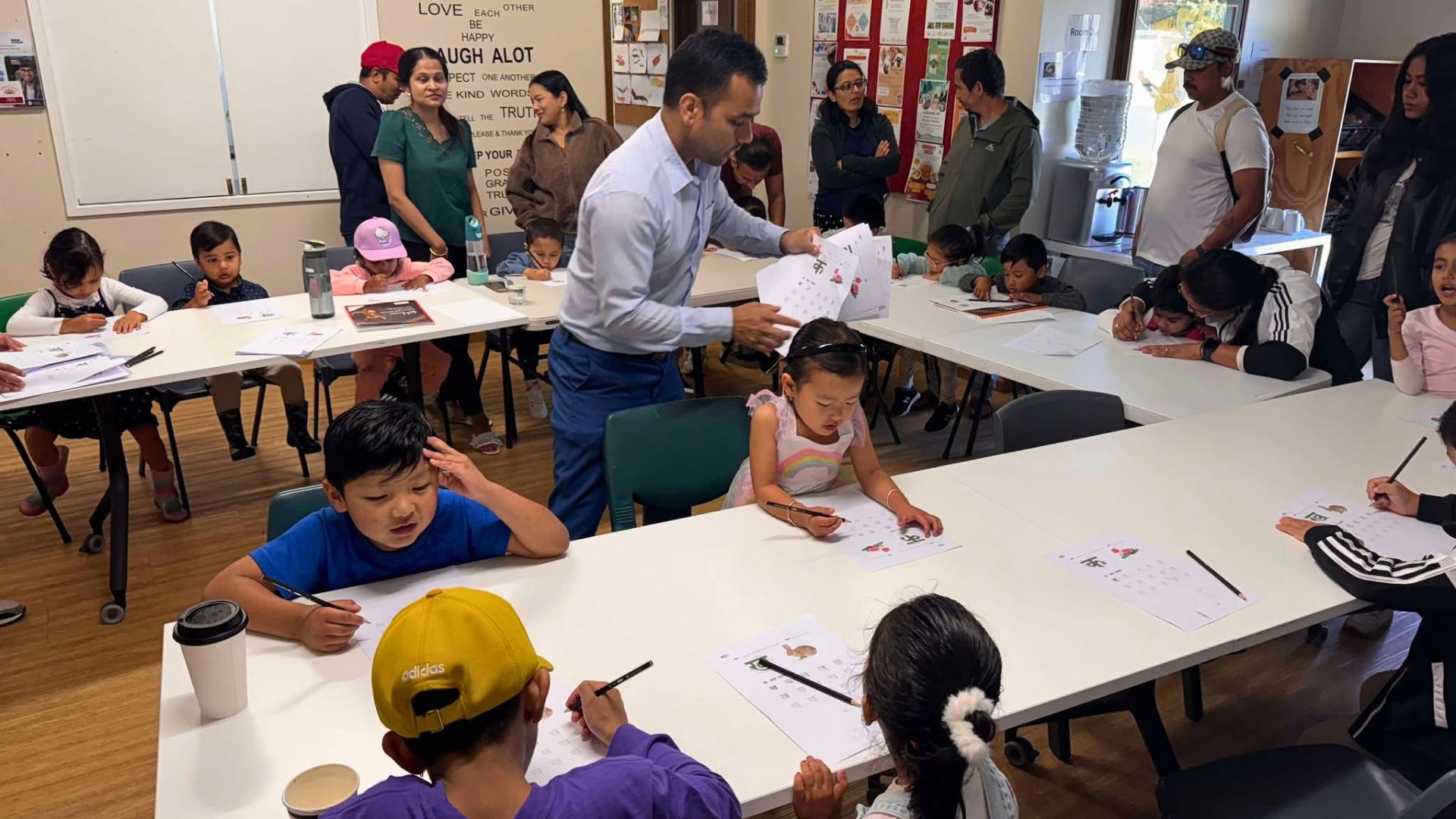
For newly arrived students, learning English is the first and most urgent challenge. But language is not just about classroom success, it shapes how young people participate in everyday life.
One student described how joining an English language program helped them succeed:
“Due to language support, I performed well in school subjects.”
Over time, that support builds confidence: not just to learn, but to speak, connect, and take part. Without it, students can feel left out both inside and outside the classroom. As another student put it simply:
“If you do not know English, you cannot do anything here in Australia.”
Language, in this sense, is not just a skill. It is a gateway to friendships, opportunities, and a sense of belonging.
Learning how life works
School is also where many refugee students begin to understand how Australian society works.
A student in the study, said school helped her “meet Australian people and understand their culture.” This learning does not just come from textbooks, it happens in conversations, shared experiences, and friendships.
Students often talked about what they learned from their peers: how relationships work, what people eat, how schools operate. One student explained:
“We can learn to understand each other… about relationships, food, and education.”
These everyday interactions matter. They help young people make sense of a new world.
At the same time, students are aware that staying only within their own communities can limit these opportunities. As one student reflected, mixing more broadly helps them learn language and culture more quickly.
In this way, schools are not just institutions, they are social spaces where integration happens naturally, day by day.
Confidence grows in unexpected places
Interestingly, many students said they felt most included not in traditional classrooms, but in practical subjects such as sport, outdoor education, and hands-on activities.
In these settings, language matters less and participation matters more. One student described how, in these classes, “we are more or less equally inexperienced,” creating a sense of fairness and shared experience.
Another spoke about the joy of learning outdoors:
“Many students come together, enjoy themselves, and talk with each other.”
For some, these activities also provide a chance to shine. A student who had played soccer since childhood shared their pride in being good at sport, something that helped them connect with others.
These experiences reveal something important: young people thrive when schools recognise their strengths, not just their challenges.
The quiet impact of good teaching
Behind many of these positive changes are teachers.
Small things like group activities, inclusive classroom practices, encouragement can have a big impact. One student described how working in small groups helped them overcome initial hesitation and better understand their classmates.
Another reflected on their personal journey:
“At first, I was silent because of my English… now I am known as someone who likes to make things happen.”
This is the power of a supportive environment. Confidence does not appear overnight, it grows through everyday interactions, encouragement, and opportunities to participate.
When belonging is fragile
But not every experience is positive.
One student still remembers being called ‘Mr Asian’ by classmates. It was said casually, but it made him feel different like he did not fully belong.
Others shared similar experiences of being treated differently because of their background. For many, the response was to turn to close friends or simply ignore it.
“I just ignore them when they make racial comments,” one student said.
These responses show resilience. But they also raise an uncomfortable truth that young people should not have to deal with discrimination on their own.
Even in supportive schools, belonging can be fragile.
Moving forward together
The message from this research is clear. Supporting students from refugee backgrounds is not about one program or one teacher. It requires a whole-school approach.
This means:
- Ongoing and meaningful English language support
- Teaching practices that actively include all students
- Valuing practical and vocational learning opportunities
- Creating spaces where students interact and build relationships
- Taking clear action against racism and exclusion
- Supporting wellbeing, not just academic outcomes
In short, it means seeing students not as problems to be fixed, but as young people with strengths, potential, and stories.
A place to start again
For many refugee students, school is where life begins again.
It is where they make their first friends, speak their first confident sentences, and start to see a future for themselves.
When schools get it right, they do far more than educate. They create spaces where young people feel seen, valued, and capable.
And for a student like Sumu, that can make all the difference – not just in school, but in life.
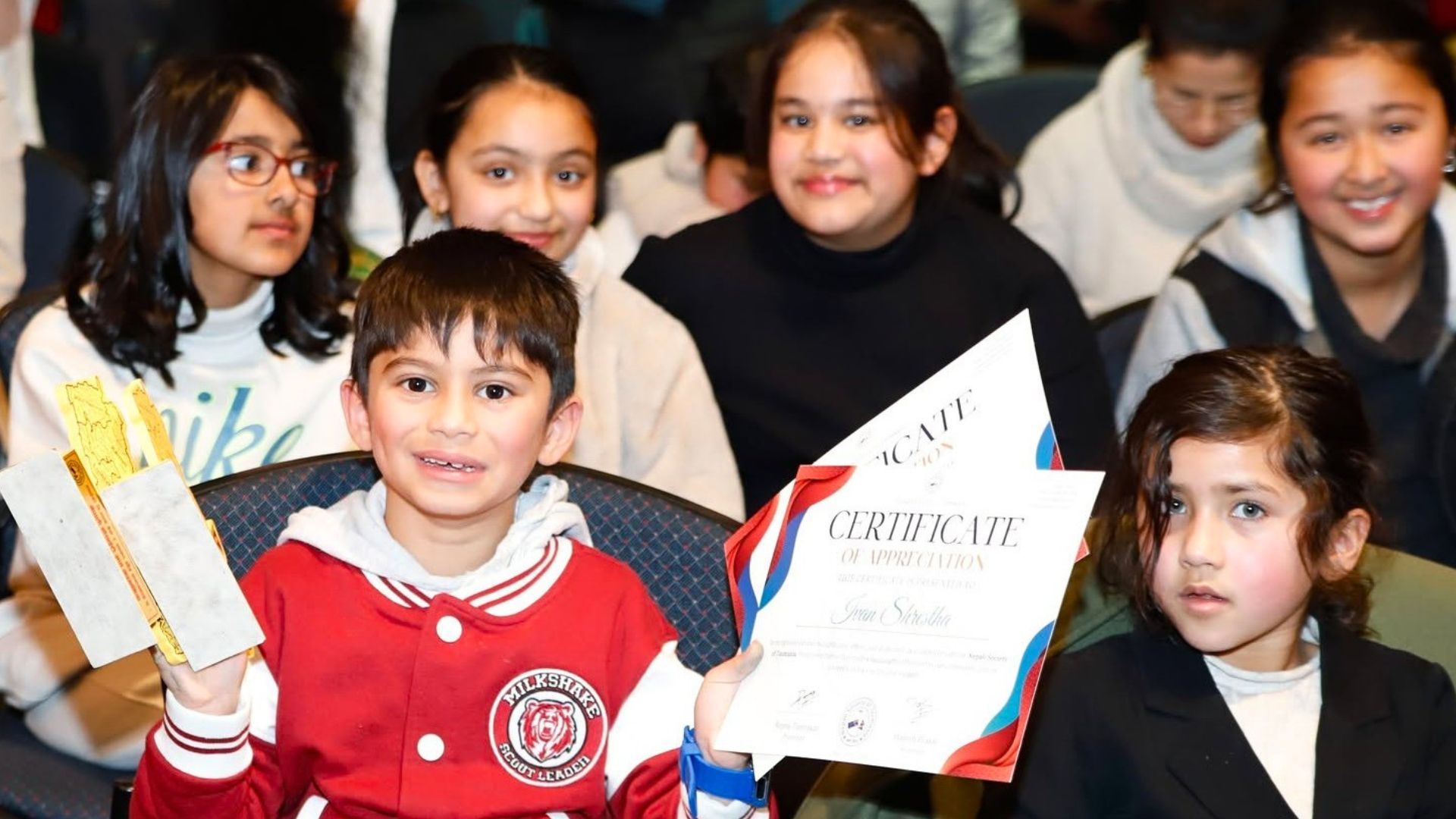
Consent provided from Nepali Society of Northern Tasmania.
* The student’s name used in this article is a pseudonym.
Dr Nabaraj Mudwari is a researcher at the University of Tasmania whose work focuses on refugee youth, education, and belonging. His research draws on in-depth interviews with refugee adolescents living and studying in Tasmania.
If you’re interested in this article, please join our mailing list. It’s all free … and we won’t share your information with anyone!
If you have any comments you’d like to add to this article, please contribute via this form. We’re trialling this while we work through replacing our comments section.
Truly independent media is a cornerstone of democracy.
Remember: once they gain power the first action of every despot in modern history is to take control of the media, so please consider supporting us.
Your kids will thank you and so will your Granny, but the aspiring despots won’t…