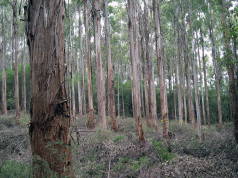
WATER samples from plantation regions across Victoria will be tested for toxicity following Tasmania’s St Helens toxic water scandal.
Liberal Senator Bill Heffernan will take the issue to his party in another attempt to force a senate inquiry.
A toxin in a strain of eucalyptus nitens has been matched to a toxin in the drinking water of the Tasmanian plantation community – which kills human cells.
A former Tasmanian forestry minister and several analysts have questioned whether the strain of the shining gum has been genetically enhanced or crossed with other eucalypts.
Former Collective Water Utilisation Group Gippsland chairman, Rob Grant, will collect water samples from the Snowy River and Gippsland Lakes catchments for independent testing.
He suspected the plants in those catchments were “hybrids”.
“It’s hard to beat nature but you can make some awful mistakes trying to manipulate it,” Mr Grant said.
“Could we see similarities in the 2007 Gippsland Lakes shellfish kill to what happened in St Helens (where oyster farmers had their harvests wiped out)?”
Land use researcher Anthony Amis said drinking water catchments with significant E.Nitens plantations included Seaspray and Yarram in South Gippsland, Meeniyan and Dumbalk, Noogee in West Gippsland and Cann River, Orbost and Marlo in East Gippsland.
“Many residents obtain their drinking water directly from streams in these regions,” Mr Amis said.
The major parties controversially shot down an attempt by the Greens to force a senate inquiry into the issue last week.
Both Labor and Coalition senators said an inquiry by the Tasmanian EPA was sufficient investigation into the toxic water.
But Senator Heffernan told The Weekly Times he had not had the chance to take the matter to the Liberal party room.
“Generally when governments requisition (a report) they know the answer before they make the recommendation,” he said.
“I’d be very wary of a government agency (like the EPA) doing it … I presume (forestry companies) are big donors to political parties, but we’ve got a responsibility to due process, the environment and human health.”