
Advertisement / Sponsored Content
This content is paid advertising and has been prepared in collaboration with the advertiser.
This post remains active as a legacy issue and is being phased out from January 2026.
Tasmanian Times no longer accepts requests for paid content or advertorials.
Key Takeaways
-
Standardised container shipping has allowed Tasmania to export perishable and specialty goods efficiently, connecting the island to international markets.
-
Ports like Burnie, Devonport and Hobart are critical infrastructure supporting economic growth, job creation and regional development.
-
Containerisation fosters sustainability and innovation, including refrigerated transport, reduced waste and creative reuse in urban and commercial projects.
Nestled off the southern coast of Australia, Tasmania is renowned for its pristine wilderness, artisanal produce and rugged coastline. Yet behind the scenic landscapes lies a critical lifeline for the island state: container shipping.
Over the last several decades, standardised shipping containers have not only connected Tasmania to international markets but also transformed the state’s economy, enabling local industries to compete globally while fostering innovation in logistics and trade. The availability of shipping containers for sale has made it easier for new exporters and local businesses to participate in international trade.
The Backbone of Tasmanian Trade
Before the advent of containerisation, Tasmania’s geographic isolation posed a significant challenge for trade. Goods were transported via break-bulk shipping, where cargo was manually loaded and unloaded in crates, barrels or sacks. This process was labor-intensive, slow and costly, often resulting in damaged goods and delayed deliveries. For an island economy dependent on agriculture, forestry and manufacturing, inefficiencies in shipping could directly impact profitability and global competitiveness.
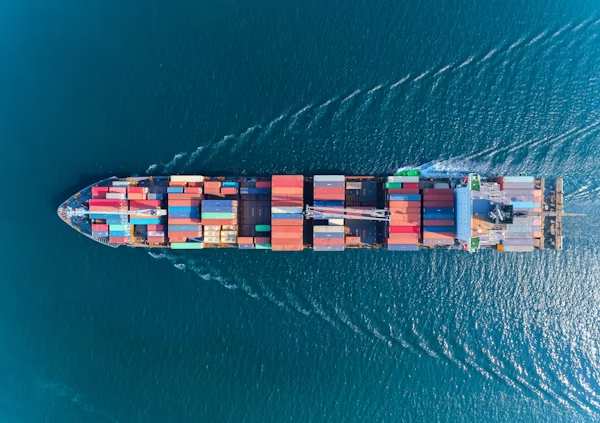
The introduction of standardised shipping containers revolutionised Tasmania’s trade capabilities. Containers—stackable, modular and uniform in size—enabled goods to move seamlessly between ships, trucks and trains without unpacking. This innovation allowed Tasmanian producers to reliably export their goods to mainland Australia, Asia and beyond. Today, the state’s three main ports—Port of Burnie, Port of Devonport and Port of Hobart—handle containerised cargo that supports both domestic and international trade.
Tasmania’s Key Exports
Container shipping has particularly benefited Tasmania’s export-focused industries. Agriculture and aquaculture, long pillars of the state’s economy, rely on containers to reach global markets quickly and safely.
-
Seafood: Tasmania produces abalone, rock lobsters, and so-called Atlantic salmon. Refrigerated containers, or “reefers,” have enabled exporters to ship perishable seafood to Asia, Europe, and the United States without compromising freshness. The ability to maintain strict temperature control has increased product quality and opened premium markets for Tasmanian seafood.
-
Agricultural Products: Apples, cherries, berries and other fruits are shipped in containers to major cities across Australia and overseas. Standardisation has reduced spoilage, lowered transportation costs and allowed smaller producers to participate in international trade.
-
Forestry and Wood Products: Tasmania’s timber and wood processing industry benefits from containers’ protective transport capabilities. Engineered wood products, logs and pulp are shipped to Asia-Pacific markets efficiently, helping Tasmania maintain a competitive edge in forestry exports.
-
Specialty Goods: Tasmania’s burgeoning wine, cheese and craft beer industries also rely on container shipping to reach global consumers. Standardised containers ensure products are transported safely, preserving the premium quality for which Tasmania is known.
Economic Impacts
The economic significance of container shipping for Tasmania cannot be overstated. By reducing shipping costs, improving reliability and decreasing cargo loss, containers have enabled local businesses to scale operations and access new markets. This has created jobs across multiple sectors: logistics, port operations, warehousing, trucking and export industries.
Moreover, containerisation has contributed to regional economic development. Ports like Burnie, for example, have seen significant infrastructure investments, including container cranes and storage facilities, which in turn attract new businesses and industries to the area. The efficiency of container shipping has also enabled Tasmania to diversify its economy, supporting manufacturing, value-added processing and tech-driven supply chains alongside traditional industries.
Sustainability and Innovation
Tasmania’s focus on sustainability aligns with the evolution of container shipping. The use of standardised containers minimises waste associated with break-bulk shipping, and their durability allows them to be reused multiple times. Many Tasmanian businesses also repurpose old containers for creative and sustainable applications, such as pop-up shops, cafés and storage units, demonstrating the versatility of this transport solution.
Refrigerated containers further contribute to reducing food waste by preserving perishable goods during long-distance transport. For Tasmania’s agricultural and aquaculture industries, this means less loss, more predictable supply chains and higher-quality products for international markets.
Challenges for Tasmanian Container Shipping
Despite the advantages, Tasmania faces unique challenges in container logistics. Its island geography makes the state dependent on sea transport, which introduces additional costs and scheduling constraints compared to mainland operations. Port capacity and shipping frequency are also limiting factors, particularly during peak export seasons.
Weather events, including storms and rough seas, can disrupt container shipping schedules, impacting supply chains and delivery commitments. Moreover, Tasmania must compete with larger ports on the Australian mainland that handle higher volumes and attract more frequent shipping services. These challenges underscore the importance of strategic planning, investment in port infrastructure and continued adoption of technology to optimise logistics.
The Future of Container Shipping in Tasmania
Looking ahead, container shipping will continue to play a pivotal role in Tasmania’s economic growth. Emerging technologies such as IoT tracking, automated port operations and AI-driven logistics can further streamline container transport, reduce costs, and enhance supply chain visibility.
Expansion of refrigerated container capacity could open additional international markets for perishable goods, while investments in larger and more efficient port infrastructure could attract new industries to Tasmania. As global trade patterns evolve, Tasmania’s ability to leverage standardised containers effectively will be key to maintaining competitiveness and sustainability.
Conclusion
The story of Tasmania’s economy is inseparable from the history of container shipping. What began as a simple innovation—a steel box that could be moved seamlessly across ships, trucks and trains—has become a linchpin for the island’s connection to the world. Containers have enabled Tasmanian businesses to reach global markets, reduce costs and innovate across industries.
In an era where global trade is increasingly competitive and complex, standardised shipping containers ensure that Tasmania remains connected, efficient and ready to meet the demands of a global economy. They are more than just boxes; they are the gateways that carry Tasmania’s products—and its potential—across oceans to the world.
FAQ
1. Why are containers important for Tasmania?
Containers allow efficient, secure and cost-effective transport of goods between Tasmania and global markets.
2. Which ports handle containerised cargo in Tasmania?
Port of Burnie, Port of Devonport and Port of Hobart are the main container ports.
3. What Tasmanian products rely on containers?
Produce, fruits, timber, wine, small manufactures and craft beverages all rely on containers for export.
4. How do refrigerated containers help Tasmania’s exports?
“Reefers” keep perishable products like fruit fresh during long-distance transport, opening premium international markets.
5. Can containers be reused in Tasmania?
Yes—many containers are repurposed for cafés, pop-up shops, storage units and other sustainable urban projects.
Advertisement / Sponsored Content — This content is a paid advertorial published in consideration of payment or other commercial benefit. The views, claims, statements, offers and representations are those of the advertiser and do not necessarily reflect the views of the publisher, which does not endorse or verify them. This material is provided for general promotional information only and does not constitute legal, financial, medical, investment or other professional advice; readers should make their own enquiries and seek professional advice before acting. Claims, testimonials and performance statements have not been independently verified unless stated. Offers and availability are subject to change and additional terms. This advertorial may contain links to third-party websites and the publisher may receive commissions or other benefits from reader engagement; the publisher is not responsible for third-party content or fulfilment. To the maximum extent permitted by Australian law, the publisher disclaims liability for reliance on this content, and nothing limits rights that cannot be excluded under the Australian Consumer Law. Where applicable, this advertorial is authorised by the advertiser and does not constitute independent editorial content.