

Advertisement / Sponsored Content
This content is paid advertising and has been prepared in collaboration with the advertiser.
This post remains active as a legacy issue and is being phased out from January 2026.
Tasmanian Times no longer accepts requests for paid content or advertorials.
Article Summary / TL;DR
If you’re planning to buy a used luxury car, the key to saving thousands lies not just in what you buy but how you negotiate. This guide walks you through practical, confident, and research-backed strategies to help you get the best deal. From knowing the market value and inspecting before you discuss price to timing your offer and reading seller motivations, this post turns negotiation into a skill anyone can master.
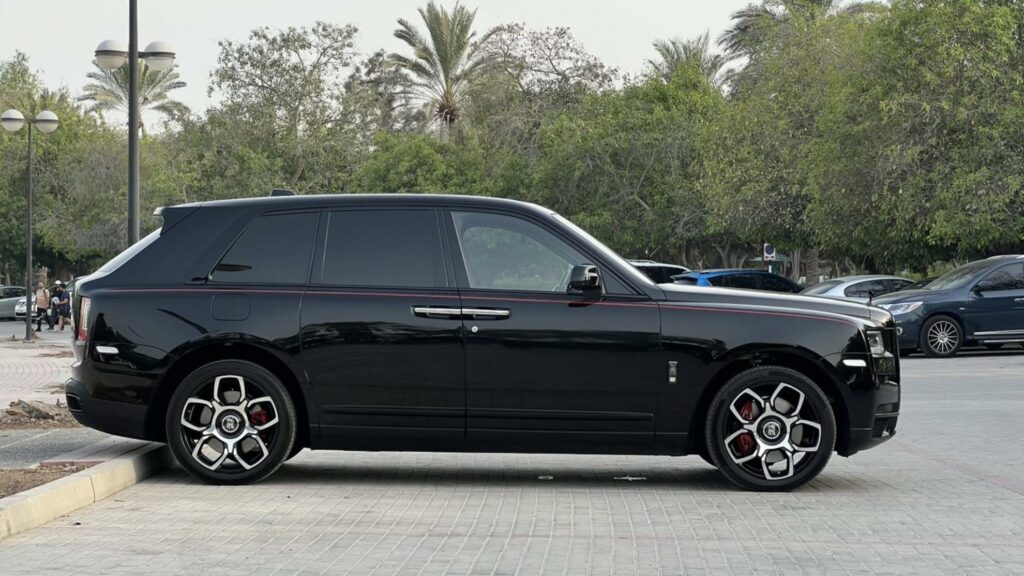
If you’re planning to buy used cars in Dubai, one of the most crucial skills you need isn’t just knowing which model to choose, it’s knowing how to negotiate. Many buyers walk into a dealership or contact a seller assuming the listed price is final. In reality, the luxury used car market is flexible, and a smart negotiation strategy can save you a substantial amount of money. Whether you’re eyeing a pre-owned Mercedes, a BMW or even a Land Cruiser used, understanding the right approach can help you secure your dream car at a fair price without compromising on quality.
Negotiating doesn’t mean being aggressive or cheap; it’s about being informed, confident and strategic. Let’s walk through everything you need to know to negotiate effectively when purchasing a used luxury car, from preparation to the final handshake.
Do Your Homework Before You Talk Numbers
Before any negotiation begins, research is your strongest weapon. You need to understand the true market value of the car you’re considering. Visit multiple listing sites, compare models, years, mileage and conditions. Luxury cars depreciate differently depending on the brand and model. For instance, a 5-year-old Lexus might hold its value better than a 3-year-old Jaguar due to reliability factors.
Look for price trends within your region. The goal is to walk into any discussion knowing exactly what the car should cost, not just what the seller claims. Use valuation tools, read owner reviews and check vehicle history reports. This groundwork not only gives you confidence but also helps you detect when a deal sounds too good or too inflated to be real.
Inspect and Test Before You Talk Price
Many buyers make the mistake of discussing price before thoroughly inspecting the car. Always reverse the order. Take the car for a proper test drive, check for any warning lights, odd sounds or performance issues. Even small things like uneven tire wear or brake squeaks, can become valuable negotiation points later.
If possible, bring a trusted mechanic or get a pre-purchase inspection. The inspection report is your evidence. If any repairs or replacements are needed, you can use that to negotiate a lower price. A simple example: if the tyres need replacing, calculate the cost and deduct it from your offer. This kind of factual negotiation is more effective than simply asking for a discount.
Understand Seller Motivation
Every seller has a reason for letting go of their car. Some are upgrading, others need quick cash, and some dealers just want to clear older inventory. Understanding this motivation gives you leverage.
If you’re dealing with a private seller, notice how flexible they sound about meeting or adjusting the price. If they mention they’re relocating or upgrading soon, it might mean they’re open to quick, fair offers. In contrast, a dealership might have more rigid margins but also offer perks like warranties or service packages. Knowing what drives the seller helps you decide whether to push harder on price or negotiate added value instead.
Timing Is Everything
Timing can make or break your deal. Car dealerships often have monthly or quarterly sales targets. Visiting near the end of the month, or even better, end of the quarter, can give you an advantage, as sales representatives may be more willing to negotiate to meet their targets.
Similarly, buying during off-peak seasons (like summer in the UAE) often leads to better deals, as fewer buyers are in the market. When you’re not in a rush, you hold more power. Patience often translates to savings.
Use Facts, Not Feelings
Negotiation should never be emotional. Even if you’ve found the perfect car, don’t let excitement show too early. Complimenting the car too much signals eagerness, which can reduce your leverage. Instead, keep the conversation fact-based.
Use phrases like:
-
“I’ve seen similar models listed for slightly less in the same year range.”
-
“Considering it needs new tires and a service, would you be open to adjusting the price?”
Polite but confident phrasing helps sellers take you seriously and often results in them re-evaluating their offer.
Don’t Be Afraid to Walk Away
One of the strongest negotiation tools is the willingness to walk away. If the price doesn’t feel right, or if you sense the seller isn’t being transparent, politely step back. There are always more options in the market.
Sometimes, the simple act of walking away prompts the seller to call you back with a better offer. Remember: you’re not just buying a car; you’re buying peace of mind. Never settle under pressure.
Leverage Trusted Platforms
If you want to skip the uncertainty of random listings or questionable dealers, consider browsing verified marketplaces such as OneClickDrive, where used luxury cars are listed by reputable sellers. This not only saves time but also ensures transparency, verified documentation, and safer transactions. Negotiation becomes easier when you’re dealing with verified sellers who value long-term trust over one-time sales.
FAQs About Negotiating a Used Luxury Car
1. How much can I realistically negotiate off a used luxury car price?
Usually, you can negotiate between 5% to 15% off, depending on the car’s demand, mileage and condition. For high-demand models like a Land Cruiser, sellers might have less flexibility, but minor reductions or added perks (like servicing) are still possible.
2. Should I mention other listings during negotiation?
Yes, but do it tactfully. Mentioning similar listings helps you justify your offer logically rather than emotionally. It shows the seller you’ve done your research.
3. Is it better to buy from a private seller or a dealership?
Private sellers often have lower prices, but dealerships provide warranties and verified history reports. For luxury cars, dealerships or certified sellers usually offer better long-term value and security.
4. What documents should I check before finalising?
Always verify ownership papers, service history, mileage consistency and accident reports. For imported cars, ensure customs clearance documents are authentic.
5. Can I negotiate extras instead of price reductions?
Absolutely. If the seller isn’t willing to drop the price, ask for added benefits like a free service, tyre replacement, or extended warranty. These can add real value without changing the listed price.
6. How do I know if I’m getting a fair deal?
Compare listings for the same make, model and year across multiple sources. Use online valuation tools and check the car’s depreciation rate to see if the price aligns with market averages.
7. Is it safe to pay a deposit before inspection?
Never pay any amount before a full inspection and verification of ownership. If required, use an escrow service or pay through traceable channels to avoid scams.
Conclusion: Confidence Comes from Preparation
Negotiating the price of a used luxury car isn’t about outsmarting the seller, it’s about being prepared, respectful and informed. When you research prices, inspect thoroughly and stay patient, you naturally gain the upper hand. Whether you’re eyeing a sleek European sedan or a rugged McLaren for sale, the same principles apply: stay factual, stay calm and never rush.
Advertisement / Sponsored Content — This content is a paid advertorial published in consideration of payment or other commercial benefit. The views, claims, statements, offers and representations are those of the advertiser and do not necessarily reflect the views of the publisher, which does not endorse or verify them. This material is provided for general promotional information only and does not constitute legal, financial, medical, investment or other professional advice; readers should make their own enquiries and seek professional advice before acting. Claims, testimonials and performance statements have not been independently verified unless stated. Offers and availability are subject to change and additional terms. This advertorial may contain links to third-party websites and the publisher may receive commissions or other benefits from reader engagement; the publisher is not responsible for third-party content or fulfilment. To the maximum extent permitted by Australian law, the publisher disclaims liability for reliance on this content, and nothing limits rights that cannot be excluded under the Australian Consumer Law. Where applicable, this advertorial is authorised by the advertiser and does not constitute independent editorial content.










