

Advertisement / Sponsored Content
This content is paid advertising and has been prepared in collaboration with the advertiser.
This post remains active as a legacy issue and is being phased out from January 2026.
Tasmanian Times no longer accepts requests for paid content or advertorials.
The first sign is often small. A breaker trips when the kettle and dishwasher run together, a light flickers during a storm or a power point feels warm after charging a laptop. Many people reset the switch and carry on. Problems like these are early warnings, not minor quirks.
Most Tasmanian homes mix old wiring and new appliances. Renovations add extra loads, sheds gain sockets and holiday rentals need safe upgrades between bookings.
If you want to see how a trusted trade firm scopes jobs from power faults to EV chargers, Kitson Electricians Newcastle sets a clear example of the broad skills and planning that modern electrical work requires.
Choosing licensed help protects your family, your tenants and your insurance cover.
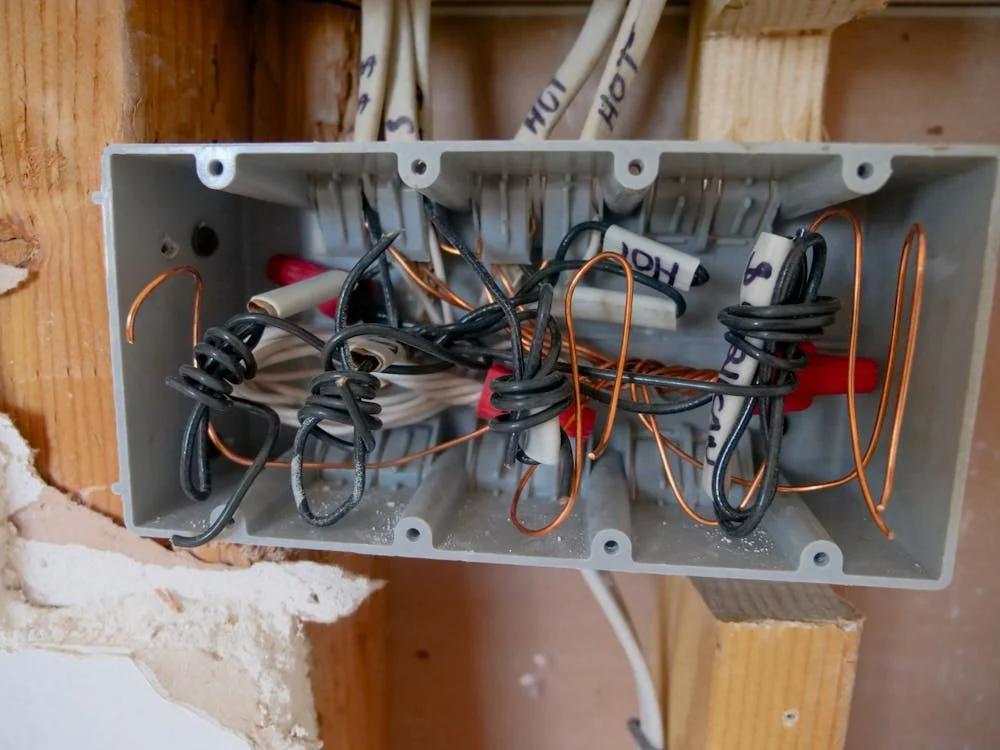
Photo by Kindel Media
Safety First
Electricity does not forgive guesses. A loose connection or a damaged cable can heat up without a smell, then fail when no one is watching.
Licensed electricians test with the right tools, read live values and work with lockout procedures. They know how much current a circuit can handle and how to balance loads across phases in larger buildings.
They also install and test residual current devices. RCDs cut power quickly if a fault to earth occurs. This is not just a nice extra, it is a lifesaver. The principle is simple, the device watches the difference between outgoing and returning current and disconnects if it detects leakage.
Compliance and Insurance
Good work aligns with the Australian and New Zealand Wiring Rules, known as AS/NZS 3000. These rules cover everything from cable selection to earthing, spacing and testing. They are updated as products and safety research change.
An electrician keeps pace with those changes, then certifies the work. That paperwork matters when you sell a property or make a claim after a storm.
Insurers often ask for evidence that electrical work was performed by a licensed person. If a fire starts in a roof where someone did unlicensed work, your excess may not be the only worry.
A licensed contractor knows local council requirements, how to notify the distributor when meter work is needed, and how to document a job so it stands up to scrutiny.
Fast, Accurate Fault Finding
Finding the cause of a trip or voltage dip is not guesswork. It is a process. A professional will ask about the time of day, the appliances in use and any recent changes on site. They will isolate parts of the circuit, test insulation resistance and measure volt drop under load.
In homes near the coast where salt and moisture are common, they will look for corrosion on terminations and inside outdoor fittings.
The difference here is speed and accuracy. An experienced electrician has seen many versions of the same problem across houses, units and farm sheds.
They recognise patterns like a neutral fault that shows up as flicker on several lights, or an ageing breaker that trips under heat on hot afternoons. That saves time, reduces repeat visits and cuts the risk of hidden damage.
Smart Upgrades For Modern Homes
Many households now add solar, batteries and EV charging. Each upgrade changes how your switchboard and wiring should be set up.
A licensed electrician can size the charger to your off-street parking, match it to your existing supply, and plan a future change from single phase to three phase if needed. They can also advise on appliance diversity so the oven, heat pump and car do not all peak at once.
Smart home features add more choices. Installing a few sensors and smart switches is simple, but tying them into safe switching for hot water, garden pumps or underfloor heating is different.
A professional will place isolators where they are easy to reach, label circuits clearly and set up surge protection to protect your electronics. The goal is comfort and convenience without hidden compromises.
Renovations Done Right
Renovation work often uncovers old junctions in ceilings, brittle insulation on cloth wiring or DIY extensions that were never tested.
A professional rewires sections that need attention, adds extra circuits for kitchens and workshops and ensures bathroom zones meet the rules for water and electricity separation. They plan cable routes with the builder so wall cavities stay uncluttered and future access remains possible.
Clear plans avoid rework. If you add a studio or sleep-out later, the original work can accept the extra load because the electrician planned spare capacity in the board, fitted the right size mains and left room for new breakers. That foresight costs less than tearing into plaster a second time.
Business And Strata Needs
Shops, clinics, and strata buildings carry more risk and more rules. Common areas must stay lit during blackouts, exit signs must work and test and tag schedules should be current.
A qualified team builds a maintenance plan that includes thermal imaging for switchboards, scheduled RCD testing and a simple log of fixes. Tenants appreciate quick response times when a trip halts a point-of-sale system or a cool room.
In mixed-use sites, an electrician coordinates with fire contractors and data technicians. They keep cables separated correctly, protect comms racks from power spikes and ensure that generators or UPS units are wired to support priority loads.
Work like this keeps businesses open when the weather turns and the grid gets patchy.
Clear Pricing And Handover
Professional firms write quotes that list labour, parts, and allowances. They explain what is included, what might vary and how they will handle surprises. During the job they keep the site clean, protect floors and take away old fittings.
At handover they show you test results, breaker labels, and how to reset devices. That handover lowers stress the next time a storm passes over or winds pick up.
Simple Tasks You Can Do
You also get advice you can use. Simple steps like not overloading double adaptors, replacing damaged power boards and adding weatherproof outlets for outdoor tools make a house safer day to day. Many faults start small, so tidy cables and quality fittings pay for themselves.
When To Call A Professional
There are small jobs you can handle, like pressing the test button on RCDs every three months, replacing a light globe or checking that cords are not pinched under furniture. Beyond that, choose a licensed electrician.
Adding sockets, moving a light, wiring an oven,= or opening a switchboard all require training and a licence. The risk of shock or fire is real, and the cost of a fix after a mistake is higher than doing it right the first time.
If you manage a rental, even small fixes are better documented. A professional gives you a record for your property file. That record helps during inspections, disputes or insurance reviews.
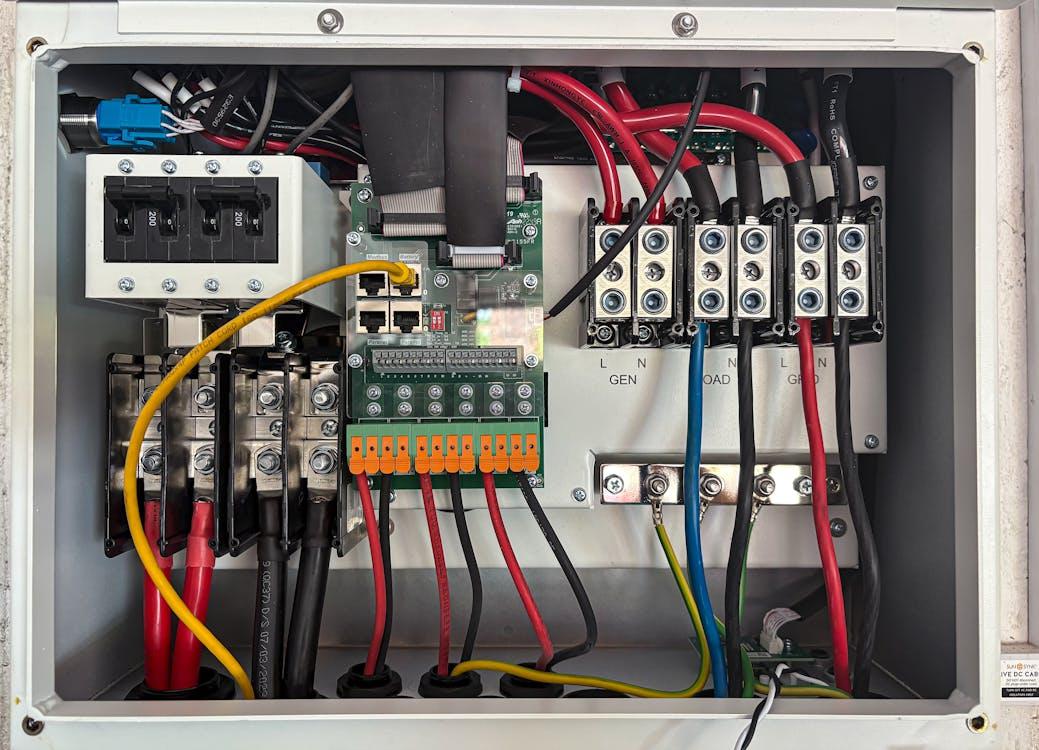
Photo by Magda Ehlers
Final Thoughts
A licensed electrician brings safety, compliance and planning to every job. They solve faults quickly, set you up for future upgrades and leave a paper trail your insurer accepts. Spend a little time choosing the right team, then let them do what they do best. Your home or business will run better, and you will sleep well the next time the wind howls and the lights flicker.
Advertisement / Sponsored Content — This content is a paid advertorial published in consideration of payment or other commercial benefit. The views, claims, statements, offers and representations are those of the advertiser and do not necessarily reflect the views of the publisher, which does not endorse or verify them. This material is provided for general promotional information only and does not constitute legal, financial, medical, investment or other professional advice; readers should make their own enquiries and seek professional advice before acting. Claims, testimonials and performance statements have not been independently verified unless stated. Offers and availability are subject to change and additional terms. This advertorial may contain links to third-party websites and the publisher may receive commissions or other benefits from reader engagement; the publisher is not responsible for third-party content or fulfilment. To the maximum extent permitted by Australian law, the publisher disclaims liability for reliance on this content, and nothing limits rights that cannot be excluded under the Australian Consumer Law. Where applicable, this advertorial is authorised by the advertiser and does not constitute independent editorial content.










