

Advertisement / Sponsored Content
This content is paid advertising and has been prepared in collaboration with the advertiser.
This post remains active as a legacy issue and is being phased out from January 2026.
Tasmanian Times no longer accepts requests for paid content or advertorials.
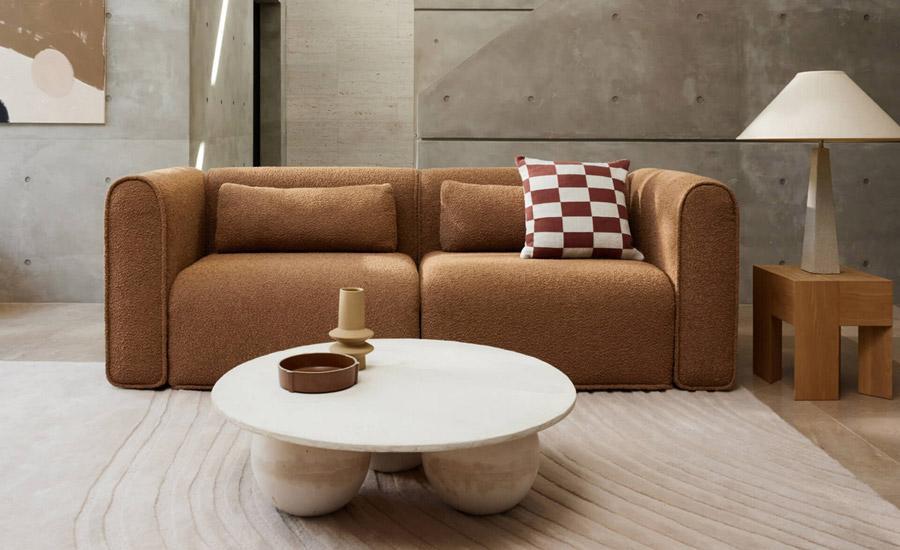
How do you get more from your living space without sacrificing comfort or style? Modular furniture is a practical fix for compact rooms as homes evolve to meet modern living demands.
Living small doesn’t mean missing out on function or good looks. Modular pieces create flexible setups that shift with your day—from working at home to hosting family—while keeping a cohesive look that suits your local vibe.
Smart Solutions for Compact Living
Making the most of a small home matters more than ever. Modular furniture helps you squeeze extra function from every metre without giving up comfort or style. One piece can do several jobs, such as a sofa that turns into a bed or a dining table that folds away, so rooms feel open and easy to use.
For small rooms that need to do more, these picks pull their weight:
-
Vertical storage that takes advantage of wall height
-
Transformable pieces such as sofa beds, nesting tables and fold-down desks
-
Ottomans with hidden storage and tray tops for extra seating or a coffee table
-
A space saving modular couch you can reconfigure as your needs change
-
Lightweight units on castors so you can rework a room in minutes
Research points to evidence based design, which can increase usable space by up to 45% and support physical and mental well-being. Good designs blend ergonomics, aesthetics and sustainability, meeting the needs of busy city living without clutter.
How to choose pieces that earn their keep
-
Measure first and map traffic flow so doors and drawers open freely
-
Favour durable materials like solid timber frames and high wear fabrics
-
Look for modular systems you can add to over time rather than replace
-
Pick neutral bases and add colour with cushions and throws for flexibility
Prioritise the zones you use most and design around them, then layer in flexible storage to handle overflow. Map clear circulation paths and trial a layout for a week to see what works before committing to extra pieces.
Keep what earns its place, move on what doesn’t and you’ll gain breathing room without needing more square metres.
Adaptable Design for Evolving Needs
Modern households face unique space challenges as living arrangements continue to shift. A well-designed modular setup can transform any room into a multi-purpose space serving different daily functions.
The beauty of flexible furniture lies in its ability to match your changing lifestyle. Comfortable couch options now include built-in storage and convertible features that help maximise limited square footage while maintaining style and comfort.
How modular furniture can adapt to various living situations:
-
Home office spaces that convert into dining areas after work hours
-
Living room seating that transforms into guest sleeping arrangements
-
Storage solutions that double as room dividers
-
Expandable dining tables for family gatherings
-
Multi-functional coffee tables with adjustable heights
These versatile solutions work equally well in city apartments and country homes. Modular furniture keeps pace with changing needs as families grow or downsize without requiring complete room makeovers.
This approach to furnishing helps create living spaces that feel spacious and organised, regardless of the actual room dimensions.
Future Trends and Sustainable Living Goals
Modular furniture designs are shaping a more sustainable future for homes. As environmental awareness grows, these adaptable pieces are crucial in reducing waste and supporting eco-friendly living spaces.
The versatility of modular solutions helps create energy-efficient interiors that align perfectly with modern lifestyle needs while minimising environmental impact.
Here’s how modular furniture will continue to evolve in homes:
-
Integration of recycled and biodegradable materials in furniture production
-
Innovative features that optimise space usage based on time-of-day needs
-
Multi-purpose designs that reduce the need for additional furniture items
-
Self-maintaining surfaces that extend product lifespan
The future of modular furniture focuses on circular economy principles. Pieces are designed for easy repair, updating and eventual recycling. This approach supports local manufacturing while reducing transportation emissions and waste, creating a more sustainable living environment for future generations.
Smart Living Solutions
The challenge of maximising small spaces in homes has led to innovative solutions through modular furniture, addressing both practical needs and sustainability concerns. Through integrating local materials like oak and smart design principles, homeowners are discovering how to create versatile, multi-functional spaces that adapt to their evolving needs.
Whether you work remotely, host guests, or simply want to optimise your living space, modular furniture offers a sustainable and stylish solution that grows with your lifestyle while supporting local craftsmanship and environmental consciousness.
Advertisement / Sponsored Content — This content is a paid advertorial published in consideration of payment or other commercial benefit. The views, claims, statements, offers and representations are those of the advertiser and do not necessarily reflect the views of the publisher, which does not endorse or verify them. This material is provided for general promotional information only and does not constitute legal, financial, medical, investment or other professional advice; readers should make their own enquiries and seek professional advice before acting. Claims, testimonials and performance statements have not been independently verified unless stated. Offers and availability are subject to change and additional terms. This advertorial may contain links to third-party websites and the publisher may receive commissions or other benefits from reader engagement; the publisher is not responsible for third-party content or fulfilment. To the maximum extent permitted by Australian law, the publisher disclaims liability for reliance on this content, and nothing limits rights that cannot be excluded under the Australian Consumer Law. Where applicable, this advertorial is authorised by the advertiser and does not constitute independent editorial content.










