Advertisement / Sponsored Content
This content is paid advertising and has been prepared in collaboration with the advertiser.
This post remains active as a legacy issue and is being phased out from January 2026.
Tasmanian Times no longer accepts requests for paid content or advertorials.
Trees don’t nudge you when they’re unwell. They stand there quietly—even when they’re rotting from the inside. That’s what makes them easy to overlook until something snaps. One gust of wind and suddenly you’ve got a limb on your car or a leaning trunk threatening your roof.
The upside? Trees usually give away clues before things get dangerous. Whether it’s damage from storms, strange growth or just age, knowing the signs helps you decide whether to intervene—or remove.
If you’re unsure, it’s always worth calling in a local expert. Tree professionals—like Brisbane Southside tree removal teams—can spot risks most people wouldn’t notice. Still, a little insight on your end helps you know what to watch for.
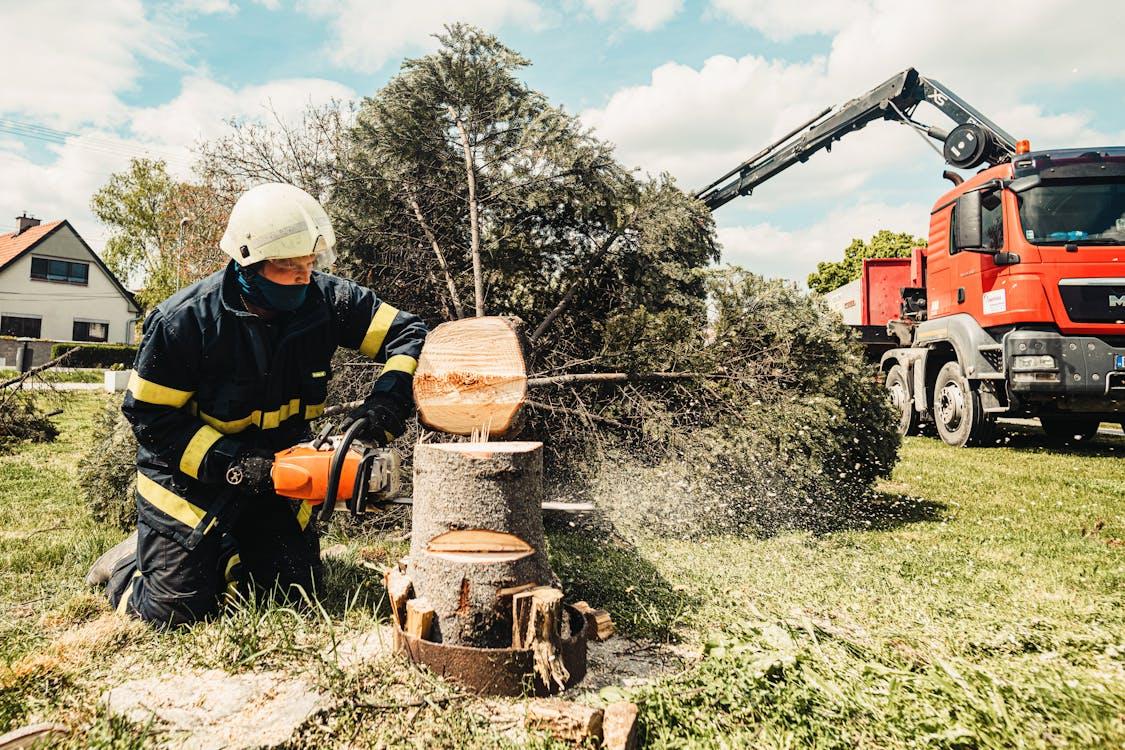
Photo by Helena Jankovičová Kováčová
What a Healthy Tree Looks Like
A solid tree typically has:
-
Strong, evenly spaced branches
-
A straight trunk or a stable multi-trunk setup
-
Vibrant leaves in season
-
Firm roots that don’t push up through the ground
No tree’s perfect, but knowing what “healthy” looks like helps you notice when something’s off.
When a Tree’s Struggling—But Salvageable
Not every leaning or patchy tree is a write-off. Some issues can be sorted with care. Watch for:
Leaf changes – Yellowing or dropping leaves early can signal disease or drought stress. Often treatable with soil fixes or pruning.
A few dead branches – Older trees lose limbs now and then. Prune them and the rest can thrive.
Fungi on bark – Not all fungi are harmful. Lichens, for instance, don’t hurt the tree. But fungal growth could also point to internal decay, so it’s worth having checked.
Bug activity – Insects aren’t always bad news. But peeling bark and sawdust-like debris could mean borers—definitely worth expert advice.
If caught early, most of these issues can be addressed without full removal.
Signs It’s Time to Remove the Tree
Unfortunately, some problems go beyond repair. If you notice any of these, it may be time to say goodbye:
Sudden leaning – A tree that’s always leaned a little is probably fine. But if it suddenly shifts, especially after heavy rain or wind, the root system might be compromised.
Cracks or splits in the trunk – Deep vertical cracks can weaken a tree significantly, especially if they’re paired with decay or missing bark.
Hollow centre – If the tree sounds hollow when tapped or has visible internal rot, its structural strength is likely gone.
Root damage – Construction or digging nearby can expose or sever roots. If the tree starts shifting or showing instability, recovery may not be possible.
Big dead limbs over buildings – One large dead branch over your roof is a hazard. If the whole tree looks weak, removal is often safer than constant pruning.
Why Tree Removal Isn’t a DIY Job
It might seem simple—grab a saw and cut. But even small trees can be unpredictable when they fall. Tree removal is one of the top causes of DIY injuries around the home.
A professional arborist will:
-
Assess safety risks
-
Bring the right gear (harnesses, grinders, ropes)
-
Manage permits if needed
-
Protect people and property nearby
In short, it’s not worth the risk. Leave it to the pros.
What About Protected or Native Trees?
Not all trees can be removed just because they’re on your land. In Tasmania and other parts of Australia, some trees are protected under local council laws.
Get advice before touching a tree if:
-
It’s on a heritage-listed site
-
It’s a native species
-
You’re in a bushfire-prone zone with clearance rules
Good removal companies will help you understand these rules and guide you through any approvals needed.
What to Expect from a Removal Service
A solid tree removal company should offer:
Assessment – They’ll walk the site and evaluate risks.
Quote and plan – Clear pricing and timing.
Safe removal – Using cranes or sectional cutting if needed.
Clean-up – Most services include taking away branches and stumps.
Extras – Some also offer stump grinding or advice on replanting.
It’s more than cutting and hauling—it’s about protecting your home and landscape.
Don’t Delay a Tough Call
It’s tempting to wait and hope a sick tree improves. But delay often leads to bigger risks and higher costs. If you’re unsure, book a consultation. It’s quick, and it might save you major trouble later on.
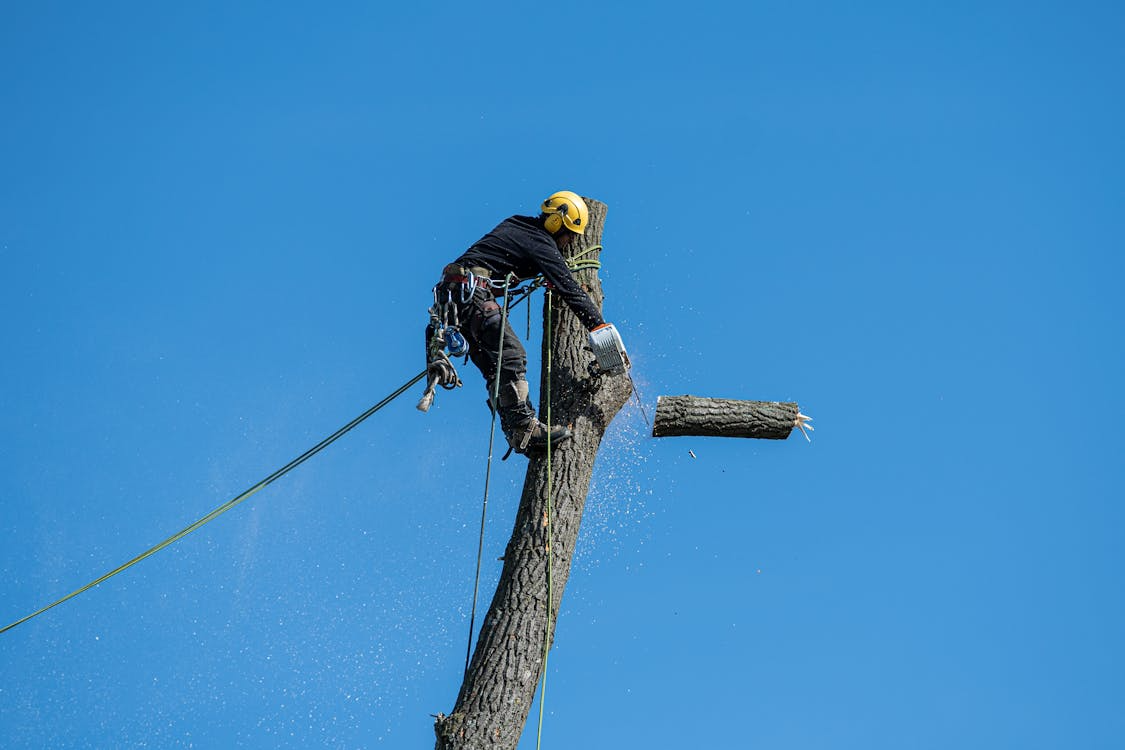
Photo by Jacky
Some Trees Can’t Be Saved—and That’s OK
We get it—removing a tree can feel like saying goodbye to a family member, especially if it’s been on the property for generations. But sometimes, letting go is the safest, most responsible thing to do.
Whether you’re in a suburban backyard or a rural paddock, keep an eye on your trees. They may not speak, but if you know what to look for, they’ll tell you when they’re in trouble.
Advertisement / Sponsored Content — This content is a paid advertorial published in consideration of payment or other commercial benefit. The views, claims, statements, offers and representations are those of the advertiser and do not necessarily reflect the views of the publisher, which does not endorse or verify them. This material is provided for general promotional information only and does not constitute legal, financial, medical, investment or other professional advice; readers should make their own enquiries and seek professional advice before acting. Claims, testimonials and performance statements have not been independently verified unless stated. Offers and availability are subject to change and additional terms. This advertorial may contain links to third-party websites and the publisher may receive commissions or other benefits from reader engagement; the publisher is not responsible for third-party content or fulfilment. To the maximum extent permitted by Australian law, the publisher disclaims liability for reliance on this content, and nothing limits rights that cannot be excluded under the Australian Consumer Law. Where applicable, this advertorial is authorised by the advertiser and does not constitute independent editorial content.