

Advertisement / Sponsored Content
This content is paid advertising and has been prepared in collaboration with the advertiser.
This post remains active as a legacy issue and is being phased out from January 2026.
Tasmanian Times no longer accepts requests for paid content or advertorials.
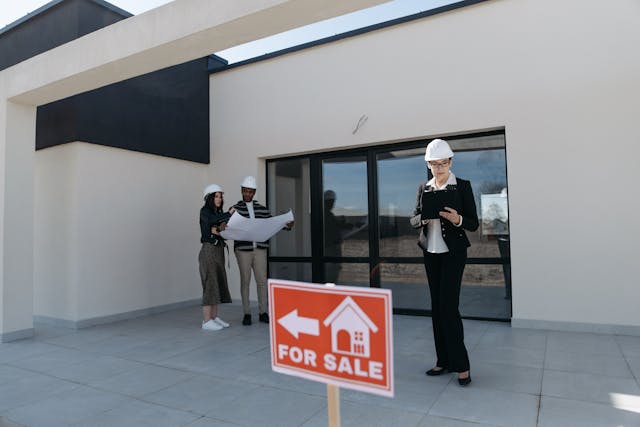
Ever wonder why house prices seem to be constantly shifting? It’s a bit like a big, complicated puzzle, with many pieces moving at the same time. Understanding these pieces can help you make sense of the market, whether you’re looking to buy, sell or just curious. Let’s break down what’s driving real estate prices right now, in simple terms.
1. The Cost of Borrowing Money (Interest Rates)
This is a huge one, and often the first thing people talk about. When you buy a home, most people take out a mortgage, which is a big loan. The interest rate is the extra money you pay back on that loan.
-
Low Interest Rates: Borrowing is cheaper, lowering mortgage payments. More people can afford to buy, which increases demand and pushes prices up.
-
High Interest Rates: Borrowing becomes more expensive, raising monthly payments. This reduces demand, which can slow price growth or cause dips.
Right now, we’ve seen rates move around quite a bit. This has a direct impact on how much house people can afford, and thus, what homes are selling for.
2. Not Enough Homes (Supply and Demand)
This is a fundamental rule of economics: if there’s a lot of something and not many people want it, the price goes down. If there’s very little of something, and lots of people want it, the price goes up.
-
Low Supply, High Demand: For a while now, there simply haven’t been enough homes for sale to meet the number of people who want to buy. This is due to a few reasons:
-
Less new construction: Building new homes can be slow and expensive, with high costs for materials and labour. This means fewer new houses are hitting the market.
-
People staying put: Many homeowners who locked in low mortgage rates a few years ago are less likely to sell. Why give up a cheap loan for a new, more expensive one? This keeps existing homes off the market.
-
Population growth: More people are moving to certain areas, creating more households and more demand for places to live.
-
-
The “Goldilocks” Zone: A healthy market has enough homes for buyers to choose from without crazy bidding wars. When supply is tight, it’s a seller’s market, and prices tend to climb.
3. Good Location (Still Matters!)
Even with big national trends, what’s happening on your street still matters most.
-
Local Job Markets: Areas with growing industries and good job opportunities will attract more people.
-
Amenities and Schools: Good schools, parks, shops, restaurants and easy commutes make a neighbourhood more desirable, leading to higher prices. This is particularly true for home rentals in Leeming, where proximity to Murdoch University, local schools and amenities like shopping centres significantly influence rental rates.
-
Local Policies: City planning, zoning laws (what can be built where), and even local taxes can influence property values.
4. The Economy’s Pulse (Economic Health)
The overall health of the economy plays a big role.
-
Strong Economy: When jobs are plentiful, wages are rising, and people feel good about their financial future, they’re more likely to buy a home. This confidence fuels demand and can push prices up.
-
Weak Economy: If jobs are scarce or people are worried about their income, they tend to put off big purchases like a house. This can slow down the market and lead to flatter or even falling prices.
-
Inflation: When prices for everyday goods and services are rising (inflation), it can affect real estate in a few ways. Building costs go up, which pushes new home prices higher. On the other hand, central banks often raise interest rates to fight inflation, which, as we discussed, can cool down the housing market by making mortgages more expensive.
5. Confidence and Feelings (Market Sentiment)
Sometimes, real estate prices are driven by how people feel about the market. If everyone expects prices to keep rising, more people might rush to buy, creating a self-fulfilling prophecy. Conversely, if there’s a lot of talk about a “bubble” or a “crash,” people might hold back, which can slow things down. Consumer confidence, or how optimistic people are about the future, plays a subtle but important role.
Understanding these key drivers helps explain why real estate prices fluctuate. It’s a complex dance between how much money it costs to borrow, and how many homes are available versus how many people want them, the overall health of the economy and even what people believe will happen next. Keep an eye on these factors, and you’ll have a much better grasp of what’s happening in your local real estate market.
Advertisement / Sponsored Content — This content is a paid advertorial published in consideration of payment or other commercial benefit. The views, claims, statements, offers and representations are those of the advertiser and do not necessarily reflect the views of the publisher, which does not endorse or verify them. This material is provided for general promotional information only and does not constitute legal, financial, medical, investment or other professional advice; readers should make their own enquiries and seek professional advice before acting. Claims, testimonials and performance statements have not been independently verified unless stated. Offers and availability are subject to change and additional terms. This advertorial may contain links to third-party websites and the publisher may receive commissions or other benefits from reader engagement; the publisher is not responsible for third-party content or fulfilment. To the maximum extent permitted by Australian law, the publisher disclaims liability for reliance on this content, and nothing limits rights that cannot be excluded under the Australian Consumer Law. Where applicable, this advertorial is authorised by the advertiser and does not constitute independent editorial content.










