
Advertisement / Sponsored Content
This content is paid advertising and has been prepared in collaboration with the advertiser.
This post remains active as a legacy issue and is being phased out from January 2026.
Tasmanian Times no longer accepts requests for paid content or advertorials.
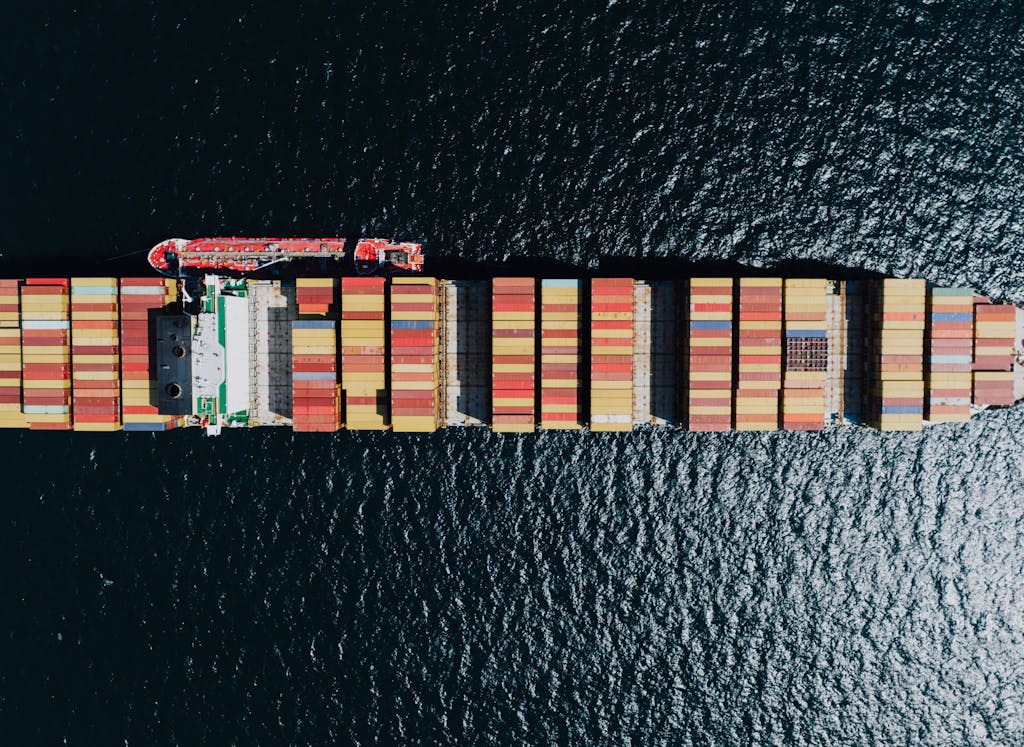
When it comes to freight logistics, one wrong turn or delay can feel like the whole system is falling apart. You don’t just throw a dart at the map and hope for the best, even if some days it’s tempting. The key is finding that balance between speed, cost and reliability, without burning out your resources or losing track of your long game. Here’s how to be smart about freight route planning.
Start with the Data, Not the Guesswork
You’d be surprised how often route planning is done with gut instinct over hard numbers. But data is your best friend here. Look at delivery volumes, traffic patterns, fuel costs and loading times. Even the weather counts if you’re sending goods across regions.
The more granular the data, the better your chance of spotting inefficiencies before they cost you. What looks like a shortcut on the map might be a bottleneck every Thursday at 4 PM. Knowing that can be the difference between an on-time delivery and a client chasing you down with a complaint.
Use tech that pulls real-time insights and don’t shy away from mapping tools or route-optimisation software, even if it takes a bit to learn them. That kind of automation can outthink you and your clipboard any day of the week.
Think Beyond Just One Trip
It’s not just about getting from A to B. Planning for efficiency means taking the whole network into account. Say one truck’s finishing up a delivery at 2 PM. What is it doing after that? Sitting idle is a wasted value.
That’s where backhauls and multi-drop routes come in. If you can stack a few smaller deliveries onto a single vehicle, or tee up a return load that earns revenue instead of empty kilometres, you’ve just turned one job into two without doubling your costs.
The same goes for warehouse positioning. If your freight’s zig-zagging across the country when it could’ve come from a closer depot, you’re spending more than you need to. Whether it’s container transport interstate or smaller regional jobs, look at the locations, the distances, and the flow of goods.
Work With What the Roads Give You
You can’t out-muscle the roads, as much as you’d like to. So work with them. Plan around high-congestion areas during peak hours. If your fleet’s getting stuck in city traffic every morning, maybe your dispatch times need a shake-up. Early departures or overnight freight might seem like a hassle at first, but could save hours on the road every week.
Look at toll road,s too. Sometimes paying a bit extra means faster delivery times and less fuel used, especially if your vehicles aren’t sitting in start-stop conditions the whole way. It’s easy to focus on costs without looking at the time trade-offs, but in logistics, time is cost. If you save twenty minutes and the delivery’s smoother, it often pays for itself.
Keep the Drivers in the Loop
You can have the slickest route on paper, but if the drivers can’t follow it in real-world conditions, it’s a waste. They’re the ones who know which roads are falling apart, which rest stops are decent and which shortcuts are actually nightmares in disguise. Bring them into the planning phase, or at the very least, listen to their feedback. They’ll tell you when something looks good but drives horribly.
Driver fatigue also plays a big part. Routes that look perfect on paper might be physically draining. Spread out the workload evenly and make sure timeframes are realistic. Pushing your team too hard just means more mistakes and potentially higher turnover.
Stay Agile, Not Stubborn
A route that worked six months ago might be completely outdated now. Roadworks, new regulations and seasonal demand change the game constantly. The smartest freight operations don’t cling to one golden plan. They adjust. Build your systems so they’re flexible. That way, when things shift – and they always do – you’re not redoing everything from scratch.
Use tracking systems that can re-route on the fly when conditions change. If there’s an accident or a delay, your team should know instantly and have backup plans in place. Efficiency is all about reacting fast without spinning out of control.
Don’t Let the Tech Outpace the Strategy
There’s no shortage of shiny tools and apps promising perfect delivery every time. They’re useful, but tech is only as good as the strategy behind it. Route planning and optimisation start with a clear goal. Know what success looks like for your business and then bring in the tech that supports that.
Good freight logistics is a bit like a gym routine. You can have all the equipment, but if you don’t show up with a clear plan and a bit of discipline, nothing changes. And like a good routine, it should get easier the more you stick to it.
Conclusion
Freight route planning is where serious money and time can be saved, or wasted. Once you get the hang of balancing cost, time and practicality, things start clicking into place. And when they do, the benefits show up fast, not just in delivery times, but in the strength of your whole operation. So map smart, adjust quickly and remember that every kilometre counts.
Advertisement / Sponsored Content — This content is a paid advertorial published in consideration of payment or other commercial benefit. The views, claims, statements, offers and representations are those of the advertiser and do not necessarily reflect the views of the publisher, which does not endorse or verify them. This material is provided for general promotional information only and does not constitute legal, financial, medical, investment or other professional advice; readers should make their own enquiries and seek professional advice before acting. Claims, testimonials and performance statements have not been independently verified unless stated. Offers and availability are subject to change and additional terms. This advertorial may contain links to third-party websites and the publisher may receive commissions or other benefits from reader engagement; the publisher is not responsible for third-party content or fulfilment. To the maximum extent permitted by Australian law, the publisher disclaims liability for reliance on this content, and nothing limits rights that cannot be excluded under the Australian Consumer Law. Where applicable, this advertorial is authorised by the advertiser and does not constitute independent editorial content.