
Advertisement / Sponsored Content
This content is paid advertising and has been prepared in collaboration with the advertiser.
This post remains active as a legacy issue and is being phased out from January 2026.
Tasmanian Times no longer accepts requests for paid content or advertorials.
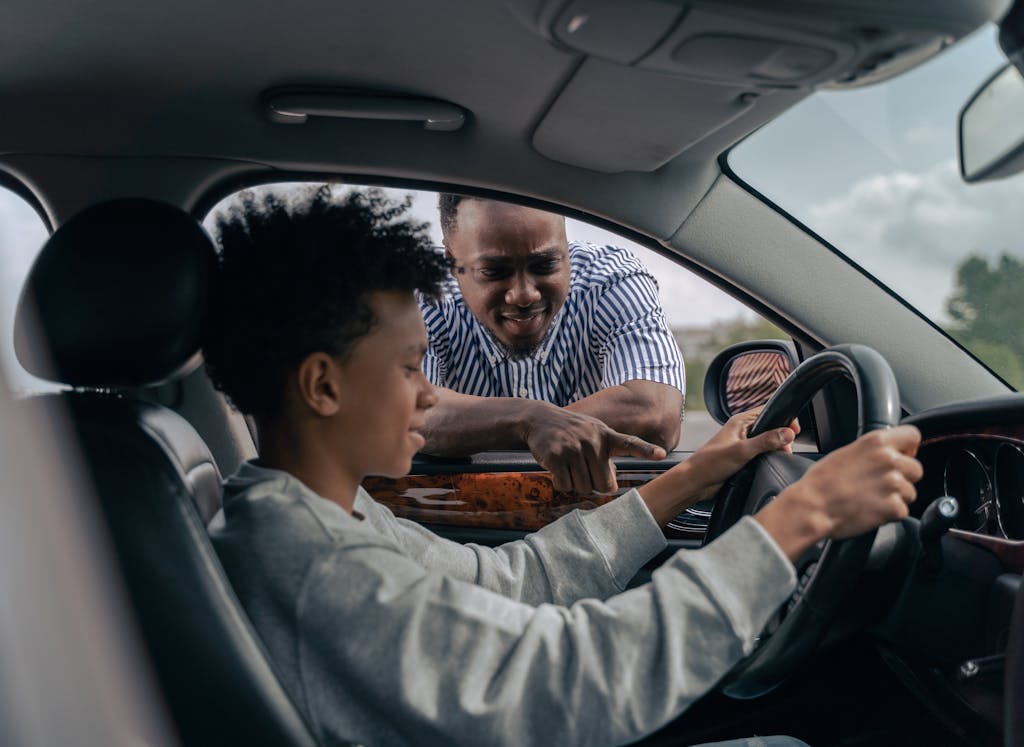
Getting ready to drive for the first time is a huge step! It’s exciting because driving gives you a lot of freedom. You can go where you want, when you want. But let’s be honest, it can also feel a bit scary at first. There’s so much to learn, and the road can seem like a busy, confusing place.
Don’t worry! This guide is here to help make your first driving experience easy and stress-free. We’ll walk you through simple tips to feel confident and safe behind the wheel.
1. Get to Know Your Car Before You Start
Before you even turn the key, spend some time in the driver’s seat. Get to know your car like it’s your best friend.
-
Adjust Your Seat: Make sure you can comfortably reach all the pedals with a slight bend in your knees. You should also be able to see well over the steering wheel.
-
Set Your Mirrors: Adjust your rear-view mirror so you can see directly out the back window. Then, set your side mirrors so you can see the side of your car.
-
Find Key Controls: Know where your headlights, turn signals (indicators), windshield wipers and horn are. Practice turning them on and off without looking.
-
Understand the Pedals: The right pedal is always the accelerator, and the left is the brake. Get used to how they feel. If you’re driving an automatic car, you’ll use only your right foot for both.
Once you feel comfortable inside the car, try practising in a safe, empty space like a big, quiet parking lot. Just start, stop and steer a little to get the feel.
2. Take It Slow for Your Very First Drive
Your very first time moving the car should be calm and controlled.
-
Take a Deep Breath: Nerves are normal! Before you start, take a deep breath to help yourself relax.
-
Have a Trusted Passenger: Always have an experienced, calm driver next to you. They can give you advice and help if you need it.
-
Start Smoothly: Gently press the accelerator. Don’t push it too hard. Think about rolling rather than zooming.
-
Focus on One Thing: At first, just focus on keeping the car moving straight or turning slowly. Pick a very quiet street or a large empty parking lot for your first attempts.
3. Master the Basic Moves
Driving is all about doing a few simple things smoothly, and you’ll perfect these skills during your driving lessons for beginners.
-
Starting and Stopping: Practice pressing the accelerator gently to move forward and gently pressing the brake pedal to slow down and stop.
-
Steering: Hold the steering wheel with both hands, usually at “9 and 3” (like clock hands). Look where you want the car to go, and your hands will follow.
-
Using Mirrors: Get into the habit of checking your rear-view and side mirrors every 5-8 seconds, even when driving straight.
-
Turn Signals (Indicators): Always use your indicators when you are about to turn or change lanes. This tells other drivers what you plan to do.
4. Understand Simple Road Rules
You don’t need to know every single rule on day one, but some are super important.
-
Speed Limits: Always know the speed limit for the road you are on and try to stay within it.
-
Stop Signs and Traffic Lights: Understand what these mean. Stop completely at stop signs and wait for green at traffic lights.
-
Right of Way: This means who gets to go first. Generally, if you’re turning, you wait for oncoming traffic.
-
Keep in Your Lane: Try to keep your car in the middle of your lane. Don’t drift to the sides.
-
Road Signs and Markings: Pay attention to road signs (like “Give Way” or “No U-Turn”) and lines on the road (like solid lines vs. dashed lines).
5. Handle Common Challenges Calmly
You’ll face challenges, but you can deal with them.
-
Nerves: It’s okay to be nervous. Breathe deeply. Remember, everyone started somewhere.
-
Other Drivers: Don’t let other drivers rush you. If someone is driving too fast or too close, just focus on your driving and try to let them pass safely. Don’t try to speed up or get upset.
-
Parking: Parking can be tricky. Practice parking in empty lots until you feel more confident. Start with easy spots, then try harder ones.
-
Distractions: Your phone, loud music or too many friends talking can be dangerous. Keep your focus 100% on driving.
6. Practice Smart to Get Better
Practice is how you improve. But practice in smart ways.
-
Start Small: Begin with short drives in quiet areas. As you get better, slowly increase the time you drive and try busier roads.
-
Different Times and Places: Practice driving during the day and a little at night. Try light traffic and then slightly heavier traffic once you’re comfortable.
-
Practice Routes: Drive the same routes you might take often (like to school or a friend’s house) many times. This helps you get familiar with them.
-
Ask Questions: Don’t be afraid to ask your experienced passenger questions. That’s why they are there!
7. Safety First, Always
No matter what, safety is the most important thing.
-
Seatbelts: Always wear your seatbelt, and make sure everyone in the car does too.
-
Don’t Drive Tired or Under the Influence: Never drive if you’re sleepy, have had alcohol or taken drugs. It’s too dangerous.
-
Keep Your Distance: Leave plenty of space between your car and the car in front of you. This gives you time to stop if they suddenly brake.
-
Check Your Car: Before you drive, quickly check your tyres and make sure you have enough fuel.
-
Watch for Others: Always be aware of people walking (pedestrians) and people riding bikes (cyclists). They can be hard to see.
Learning to drive is a big adventure, and it’s normal to feel both excited and nervous. You will make mistakes, and that’s okay! Don’t get discouraged by them. Instead, learn from those moments.
Also, try not to compare yourself to friends who seem to learn faster, because everyone learns at their own speed. The key is to keep a good attitude, as each time you drive, you’re getting better and closer to your goal. Every skilled driver started exactly where you are now.
So, take these tips and a couple of driving lessons, take a deep breath and enjoy the journey to becoming a confident and safe driver!
Advertisement / Sponsored Content — This content is a paid advertorial published in consideration of payment or other commercial benefit. The views, claims, statements, offers and representations are those of the advertiser and do not necessarily reflect the views of the publisher, which does not endorse or verify them. This material is provided for general promotional information only and does not constitute legal, financial, medical, investment or other professional advice; readers should make their own enquiries and seek professional advice before acting. Claims, testimonials and performance statements have not been independently verified unless stated. Offers and availability are subject to change and additional terms. This advertorial may contain links to third-party websites and the publisher may receive commissions or other benefits from reader engagement; the publisher is not responsible for third-party content or fulfilment. To the maximum extent permitted by Australian law, the publisher disclaims liability for reliance on this content, and nothing limits rights that cannot be excluded under the Australian Consumer Law. Where applicable, this advertorial is authorised by the advertiser and does not constitute independent editorial content.