Advertisement / Sponsored Content
This content is paid advertising and has been prepared in collaboration with the advertiser.
This post remains active as a legacy issue and is being phased out from January 2026.
Tasmanian Times no longer accepts requests for paid content or advertorials.
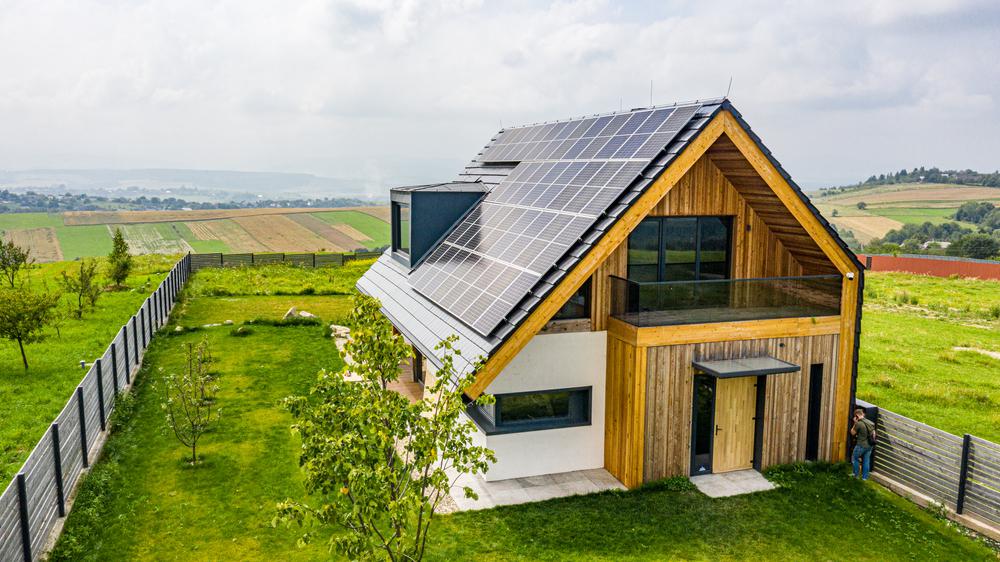
Choosing to design your home in an eco-friendly style is one of the most powerful ways we can reduce our personal impact on the planet.
Sustainable interior design helps us make thoughtful choices about the materials and products we bring into our homes. Minimising waste, conserving resources and creating healthier living spaces.
In this guide we’ll explore how to craft beautiful, eco-friendly spaces that feel grounded, natural and kind to the environment.
Choose Natural Textures
Stone and Concrete
Choosing stone and concrete for your home is a smart, sustainable choice that enhances energy efficiency by naturally regulating temperature. Their high thermal mass absorbs heat during the day and releases it slowly at night, reducing the need for artificial heating and cooling.
A concrete basin sink not only adds an earthy, industrial touch to your space, it’s also durable and low-maintenance. Similarly, modern concrete used for polished flooring and countertops is often made from recycled fly ash, helping to keep waste out of landfills and lowering the carbon footprint associated with producing new materials.
These materials work beautifully as countertops, offering durability and a sleek, modern look for kitchens and bathrooms. Accent walls made of stone or concrete create striking focal points, while concrete or stone fireplaces add a timeless, robust touch and are heat-resistant.
For a more architectural edge concrete or stone staircases immaculately blend with other natural elements. Outdoor concrete is perfect for patios, pathways and retaining walls, while stone adds character to garden features or outdoor kitchens.
Recycled or Reclaimed Timber
Timber can be used all over the house and has been taking a starring role in home renovation design shows for years. Reclaimed timber is perfect for crafting furniture pieces like tables, chairs and cabinets, each with its own history.
Using reclaimed timber for flooring reduces the demand for new lumber, while incorporating timber beams or columns as structural features adds architectural interest—a design approach often championed by Crush Architecture. Timber elements like towel rails and shelving or vanity units in bathrooms create a natural ambience.
Recycled or solid timber cabinets provide a beautiful kitchen option which appeals to some, but not all people. Kitchen cabinets typically made with MDF (medium-density fibreboard) release hazardous gases including formaldehyde because they contain Volatile Organic Compounds (VOCs).
When choosing MDF cabinets select low VOC options like E0 and Super E0 board materials together with low or no-emission paint finishes to limit chemical exposure.
The downside of working with recycled timber? It may also require treatment for pests or decay, so consulting a professional is a good idea.
Sustainable Flooring
Eco-friendly flooring materials exist past your regular rustic look timber and concrete. Bamboo stands out as a preferred flooring material because it grows quickly and remains sustainable.
Tiles made from recycled glass, ceramic or clay are another great sustainable option. These materials help divert waste from landfills and can be repurposed into durable, beautiful flooring solutions.
Carpet composed of recycled materials or natural fibres like recycled plastic bottles and wool continues to attract consumer interest. Eco-conscious consumers can choose carpets made from natural materials such as sisal or hemp which are biodegradable and free from toxins.
These types of carpets provide toxin-free comfort underfoot to create a safer indoor space so your kids can roll around on the floor germ-free.
Source Locally
One thing that Tasmania is good at when sourcing things for their homes, is that of keeping with local suppliers in their area.
By doing so, the local community gets support, by purchasing from artisan makers, which further helps by limiting the amount of emissions going back into the environment, thanks to limited transportation and logistics. It also allows the local economy to flourish.
Also, by supporting local artisans, you can add a good means of personality and texture to your home, such as a hand-woven rug, to the artwork you hang on the wall.
Design for Durability
Look For Materials That Are Independently Certified As Eco-Friendly
Given that the building industry generates the most greenhouse gases worldwide, tracing products back to their sources presents challenges but certification systems help make this process easier.
The Forest Stewardship Council (FSC) operates as a leading international non-profit certification body which certifies timber as originating from responsibly managed forests. When buying timber, plywood or additional wood-based items search for the green seal as an indicator of sustainable sourcing.
Another key certification is PEFC (Program for the Endorsement of Forest Certification), which tracks forest-based products from sustainable sources all the way to the final product. Through independent audits they maintain strict control of the supply chain to prevent unsustainable sources from entering the production process.
SCS Global Services runs an independent certification program which confirms that products meet true compostable, energy-efficient, renewable and recyclable standards. The green bird emblem from SCS certifies that building material sustainable sourcing claims underwent thorough testing and documentation verification.
Choose Classic Neutrals
A great green design tip is to stick to neutral colours when choosing furniture you plan to keep for the long term. Neutral tones create a timeless foundation that not only enhances the longevity of your pieces but also promotes balance and harmony in your space (the secret of great feng shui).
Sustainable interior design encourages buying less and investing in pieces that will stand the test of time. By limiting purchases based on fleeting trends, you can create a more intentional and enduring home environment.
To bring in seasonal or personal touches, add pops of colour or interest through accessories like cushions, throws, artwork and accent decor, allowing you to update the look of your space without contributing to waste.
Decorate with Sustainable Furniture and Homewares
Ethically Sourced Designs
Unfortunately, the mainstream furniture industry often contributes to harmful practices like old-growth forest destruction and child labour, which aren’t typically disclosed by manufacturers.
Reusing existing furniture through methods like couch reupholstery or chair refinishing is one of the most environmentally responsible decisions you can make in your interior home design. You can enhance the personality of your space by adding reclaimed and recycled furniture along with vintage items like rugs and light fittings.
Choose businesses that maintain safe work environments and pay fair wages no matter if their employees work domestically or abroad. Fair Trade International together with Fair Trade Australia & New Zealand provide certification programs which direct consumers towards ethical buying decisions that support worker rights and environmental sustainability.
Go Green
Another way to make your home a more economical and earth-friendly design is to use more ecological power options.
From solar panels to LED lighting, heat pump hot water, draught proofing and double glazing, you can make your home more efficient for both you and the environment.
Saving both costs for yourself and your overall impact on the forest and the beauty around you.
Energy Efficient Lighting
The most eco-friendly lighting options focus on both reducing energy consumption and using sustainable materials. Natural daylight is the most sustainable option, and if you’re planning a major renovation, consider adding more or larger windows to let in more sunlight.
As Tasmania is so far south of the equator, if you’re wanting to be ecological in your design it is wise for many Tassie home designers, developers and architects to take in the advantages of north-facing, Bay style windows and shutters.
These facing windows and this style harnesses the sun by getting the most light into the house at the peak times of the day. They are also a wide window frame, helping to draw in more heat and light, which is great in winter, while retracting the heat in summer.
By having appropriately facing windows in each area of your house, along with double glazing and skylights, you can take in the prime opportunity to light and heat your house more efficiently, at less cost.
For artificial lighting, energy-efficient bulbs like LEDs, which last the longest, are a great choice, though compact fluorescent lamps (CFLs) are a cheaper option, albeit with a shorter lifespan.
Additionally, eco-friendly lighting fixtures made from recycled materials or natural and organic materials further enhance sustainability in your home.
Appliances
Ovens along with cooktops, white goods and televisions account for up to 33% of a household’s total energy consumption. Selecting eco-friendly appliances with Energy Rating Australia labels helps reduce your carbon footprint and leads to financial savings.
This label adopts a star rating system where products with more stars demonstrate superior energy efficiency. Appliances with higher ratings consume less energy. The label applies to numerous household devices including fridges and washing machines as well as air conditioners and dishwashers.
Monitoring appliance ratings enables you to greatly reduce your home’s energy usage.
Invest in Solar
In places like Tasmania, off-the-grid solar packages are becoming more widespread, providing sustainable, cost-effective energy solutions for remote homes and entire communities, including social housing.
Besides saving money homeowners who install solar panels see their property values rise because buyers now seek homes with energy-efficient features. Embracing solar power on a wider scale helps to decrease our overall carbon footprint while fighting climate change.
Government incentives and rebates lower upfront costs to make solar panel installation more affordable and quicken your return on investment.
A Design Philosophy for a Healthier, Sustainable Home
Incorporating sustainable practices into your home design is more than just a trend – it’s a conscious choice that reflects a commitment to a healthier planet and a better future.
From selecting eco-friendly materials like reclaimed timber and natural textures to supporting ethical sourcing and reducing energy consumption, every decision you make has a positive impact.
By designing homes that are both beautiful and environmentally responsible, we can create living spaces that are not only in harmony with nature but also offer long-term benefits for both our well-being and the world around us.
Together, these small, intentional changes lead to a more sustainable, ethical and fulfilling way of life.
Advertisement / Sponsored Content — This content is a paid advertorial published in consideration of payment or other commercial benefit. The views, claims, statements, offers and representations are those of the advertiser and do not necessarily reflect the views of the publisher, which does not endorse or verify them. This material is provided for general promotional information only and does not constitute legal, financial, medical, investment or other professional advice; readers should make their own enquiries and seek professional advice before acting. Claims, testimonials and performance statements have not been independently verified unless stated. Offers and availability are subject to change and additional terms. This advertorial may contain links to third-party websites and the publisher may receive commissions or other benefits from reader engagement; the publisher is not responsible for third-party content or fulfilment. To the maximum extent permitted by Australian law, the publisher disclaims liability for reliance on this content, and nothing limits rights that cannot be excluded under the Australian Consumer Law. Where applicable, this advertorial is authorised by the advertiser and does not constitute independent editorial content.