Advertisement / Sponsored Content
This content is paid advertising and has been prepared in collaboration with the advertiser.
This post remains active as a legacy issue and is being phased out from January 2026.
Tasmanian Times no longer accepts requests for paid content or advertorials.
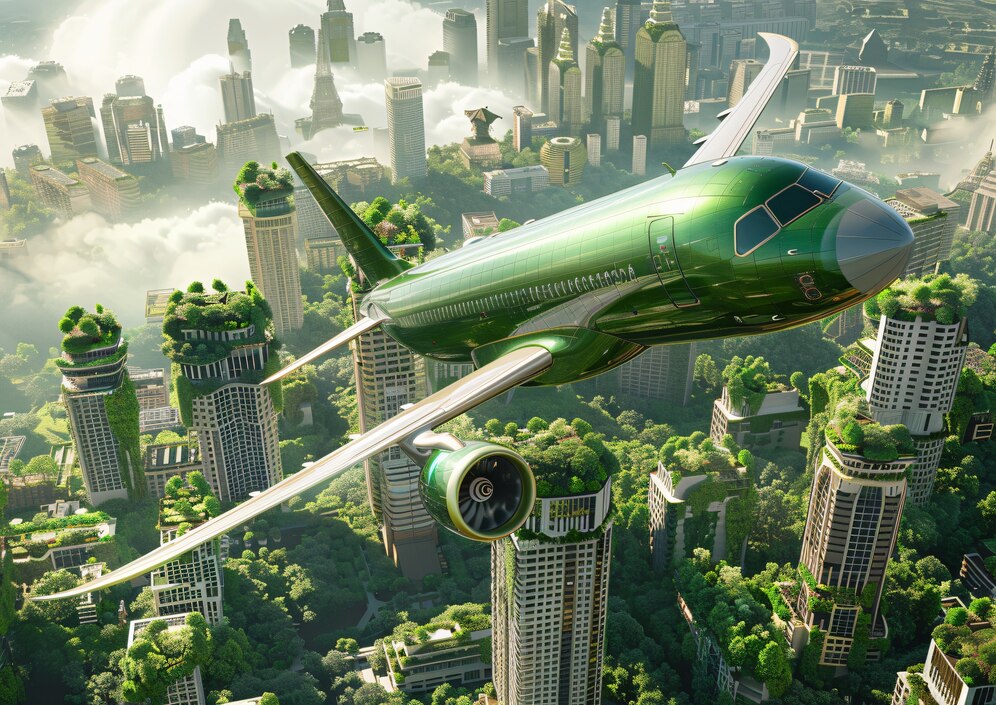
The aviation industry is at a turning point. As climate change and sustainability become increasingly pressing global issues, airlines are looking for ways to reduce their environmental footprint while improving efficiency. At the same time, flight delays and cancellations remain a major source of frustration for travellers Innovation plays a crucial role in tackling both challenges: can aviation become greener and more reliable?
Green Innovation in Aviation
The push for more sustainable air travel has led to technological advancements that not only reduce emissions but also improve flight punctuality. Airlines are experimenting with sustainable aviation fuels (SAF), more efficient aircraft engines and lighter materials that lower fuel consumption. Additionally, developments in electric and hydrogen-powered aircraft hold promise for the future, even though widespread implementation is still years away.
One immediate impact of greener aviation on delays is seen in route optimisation. New navigation systems and artificial intelligence help pilots and air traffic controllers select more efficient routes, reducing flight times and minimising delays caused by inefficient air traffic management.
Flight Delays: A Problem Beyond Just Wasted Time
Flight delays and cancellations are not just inconvenient for passengers, they also have a significant environmental impact. The longer an aircraft remains in the air due to holding patterns (circling before a landing slot becomes available), the more fuel it burns and the higher its CO₂ emissions. Additionally, cancellations and missed connections lead to extra flights, generating unnecessary emissions.
For passengers, delays mainly mean frustration and, in some cases, financial losses. Fortunately, in Europe and the UK, travellers have rights when their flights are delayed or cancelled. Depending on the length of the delay and the distance of the flight, passengers may be entitled to flight compensation of up to €600 (or £520 in the UK).
Your Rights in Case of Delays and Cancellations
What happens if a Ryanair flight is delayed or cancelled?
-
If a flight is delayed by more than three hours, passengers may be entitled to compensation.
-
If a flight is cancelled less than 14 days before departure, passengers may be eligible for both a refund and compensation, depending on the circumstances.
-
Even for flights that took place up to six years ago, passengers can still file a claim.
Unfortunately, airlines sometimes reject claims by citing so-called ‘extraordinary circumstances’ such as severe weather or air traffic controller strikes. However, in many cases, it is still possible to file a claim and obtain Ryanair compensation.
The Future: Greener and More Reliable Air Travel
The aviation industry faces the challenge of becoming both more sustainable and more efficient. Technology is key in achieving this. Smart data analysis and AI can help predict and prevent delays, while airports are investing in faster and greener ground operations, such as electric taxiing and reducing gate waiting times.
Airlines are also working towards more reliable flight schedules. By implementing more realistic planning and improving coordination with airports and air traffic control, many delays can be prevented. This not only enhances the passenger experience but also contributes to a more sustainable aviation sector by reducing unnecessary flights and fuel consumption.
Conclusion
Innovation is shaping the future of aviation. While technological advancements help reduce emissions, smarter operations are minimising delays. This is good news not only for the environment but also for travellers who want to reach their destinations more efficiently. And if a flight is delayed or cancelled, knowing your rights and the possibility of claiming Ryanair compensation can make all the difference.
Aviation is evolving, and with the right innovations and regulations, the future of flying can be both greener and more reliable.
Advertisement / Sponsored Content — This content is a paid advertorial published in consideration of payment or other commercial benefit. The views, claims, statements, offers and representations are those of the advertiser and do not necessarily reflect the views of the publisher, which does not endorse or verify them. This material is provided for general promotional information only and does not constitute legal, financial, medical, investment or other professional advice; readers should make their own enquiries and seek professional advice before acting. Claims, testimonials and performance statements have not been independently verified unless stated. Offers and availability are subject to change and additional terms. This advertorial may contain links to third-party websites and the publisher may receive commissions or other benefits from reader engagement; the publisher is not responsible for third-party content or fulfilment. To the maximum extent permitted by Australian law, the publisher disclaims liability for reliance on this content, and nothing limits rights that cannot be excluded under the Australian Consumer Law. Where applicable, this advertorial is authorised by the advertiser and does not constitute independent editorial content.