

Advertisement / Sponsored Content
This content is paid advertising and has been prepared in collaboration with the advertiser.
This post remains active as a legacy issue and is being phased out from January 2026.
Tasmanian Times no longer accepts requests for paid content or advertorials.
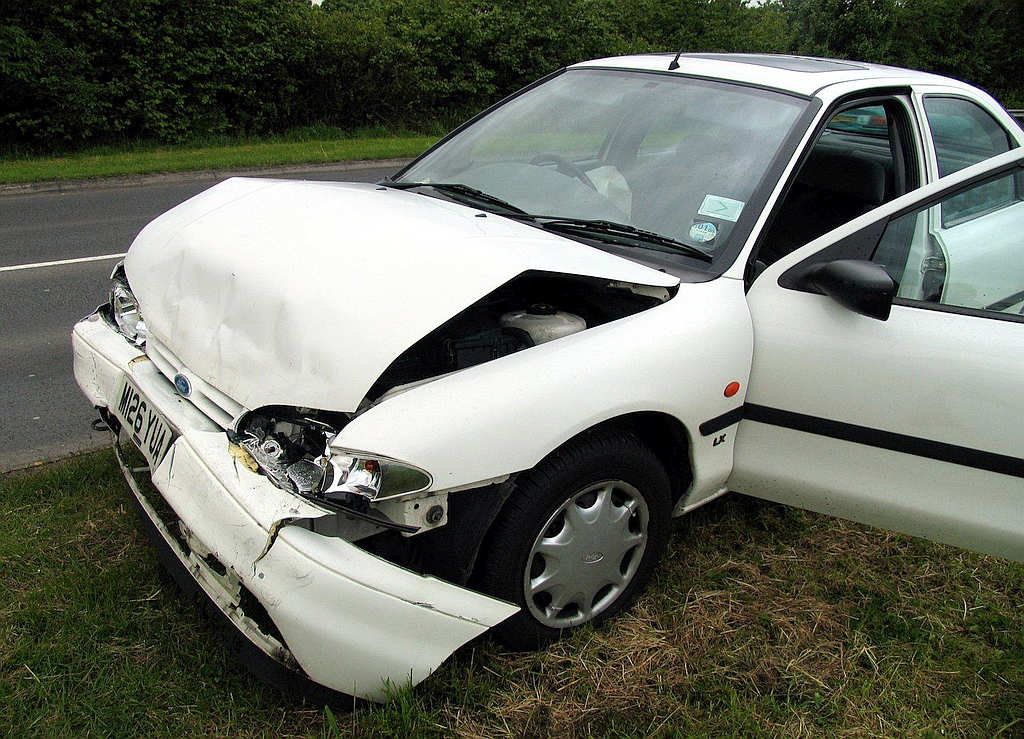
After an accident happens, one of the main challenges people are faced with is proving fault. However, this is a critical step since it helps in pursuing legal claims and getting insurance compensation.
Unfortunately, proving fault in a car accident is not as simple as it seems, especially when there isn’t enough evidence. In this article, we will cover the main challenges of proving fault after an accident and how victims can overcome them.
Insufficient Evidence
In many cases, after an accident, there are no eyewitnesses who can back up claims or physical evidence at the scene, like skid marks. This can lead to limited or inconclusive evidence. Without photographic or video evidence like dash-cam footage, having an actual and clear sequence of events can be challenging.
When you are involved in an accident, it is important to document the scene through photographs. You can take photos of:
-
Vehicle damage
-
Road and weather conditions
-
Traffic signs
If there are any witnesses at the scene, make sure to take their contact details. Also, get a copy of the police report.
Conflicting Accounts of the Accident
It is common for drivers to offer a different version of the events of the accident. Each party may try to blame the other person to reduce their responsibility, therefore making it difficult to know who is telling the truth. If there are witnesses at the scene, they may also offer a different perspective, making it more complicated to accurately reconstruct the accident.
When there isn’t enough evidence, hiring experts can come in handy during accident reconstruction. These experts analyse factors like vehicle damage and traffic patterns to recreate the events that caused the accident.
Expert testimony and reports can help provide clarity in complicated cases and establish fault in court and during settlement.
When Multiple Cars Were Involved in the Crash
Some accidents, like pileups or chain crashes, involve numerous parties. These situations can be extremely difficult. Determining fault and how each driver was responsible for the crash requires a thorough investigation.
Another example is accidents at intersections where the rules regarding the right of way may be unclear and can complicate the process of determining fault.
Biases From Insurance Companies
It’s not a secret that insurance companies prioritise minimising payouts over fairness. Adjusters can challenge evidence, exploit gaps in documentation, or argue that a victim was partially responsible for lowering the settlement amount. These tactics make it even harder to accurately determine fault.
Experienced car accident lawyers understand the tactics used by insurance companies to dispute claims. They can also help in collecting evidence, hiring experts and presenting your case in court to ensure you get fair compensation.
The Issue of Comparative Negligence
In many states, comparative negligence can make the process of proving fault more complicated. These laws allocate fault to all parties involved in an accident and adjust the compensation accordingly. For example, in a state with pure comparative negligence, a victim who is found 30% at fault can still recover 70% of the total damages.
However, for states following modified comparative negligence, a victim can only recover damages if their fault is below a certain threshold, which is mostly 50%. If they are found to be equally or more at fault they may receive zero compensation.
Understanding how this works is important as it directly affects the outcome of the case.
Why is Proving Fault After an Accident Important?
Proving fault in an accident is very important as it determines who is financially responsible for the damages. This includes lost wages, medical bills, car repairs and other related costs. Without clear evidence of fault, victims may struggle to get fair compensation from insurance companies.
Conclusion
Proving fault after an accident can be a very complicated and challenging process. If you are involved in an incident, getting professional advice can make all the difference in ensuring your rights are protected and securing fair compensation.
Advertisement / Sponsored Content — This content is a paid advertorial published in consideration of payment or other commercial benefit. The views, claims, statements, offers and representations are those of the advertiser and do not necessarily reflect the views of the publisher, which does not endorse or verify them. This material is provided for general promotional information only and does not constitute legal, financial, medical, investment or other professional advice; readers should make their own enquiries and seek professional advice before acting. Claims, testimonials and performance statements have not been independently verified unless stated. Offers and availability are subject to change and additional terms. This advertorial may contain links to third-party websites and the publisher may receive commissions or other benefits from reader engagement; the publisher is not responsible for third-party content or fulfilment. To the maximum extent permitted by Australian law, the publisher disclaims liability for reliance on this content, and nothing limits rights that cannot be excluded under the Australian Consumer Law. Where applicable, this advertorial is authorised by the advertiser and does not constitute independent editorial content.










